
As of 15 April 2026
For countries in the South Caucasus, raising long-term growth, resilience, and living standards are among the top economic policy priorities. To achieve these goals, a deeper connectivity push within the region is needed. To date, the Trump Route for International Peace and Prosperity (TRIPP) has been considered the key to unlocking all barriers to regional connectivity and prosperity. This APRI Armenia Analysis argues that the TRIPP is a helpful—but insufficient—step toward unblocking the South Caucasus, and by itself introduces new risks and hurdles. A full unblocking, on the other hand, would bring large economic benefits both within and outside of the region while mitigating potential risks spurred by the TRIPP. The Analysis draws on qualitative and quantitative methods, including a literature review of the impact of the Armenia–Türkiye border opening.
Key points
- While the TRIPP is essential for regional stability, it is not a stand-alone solution. To prevent Armenia’s continued economic isolation, the initiative must be paired with the full opening of the Armenia–Azerbaijan and Armenia–Türkiye borders.
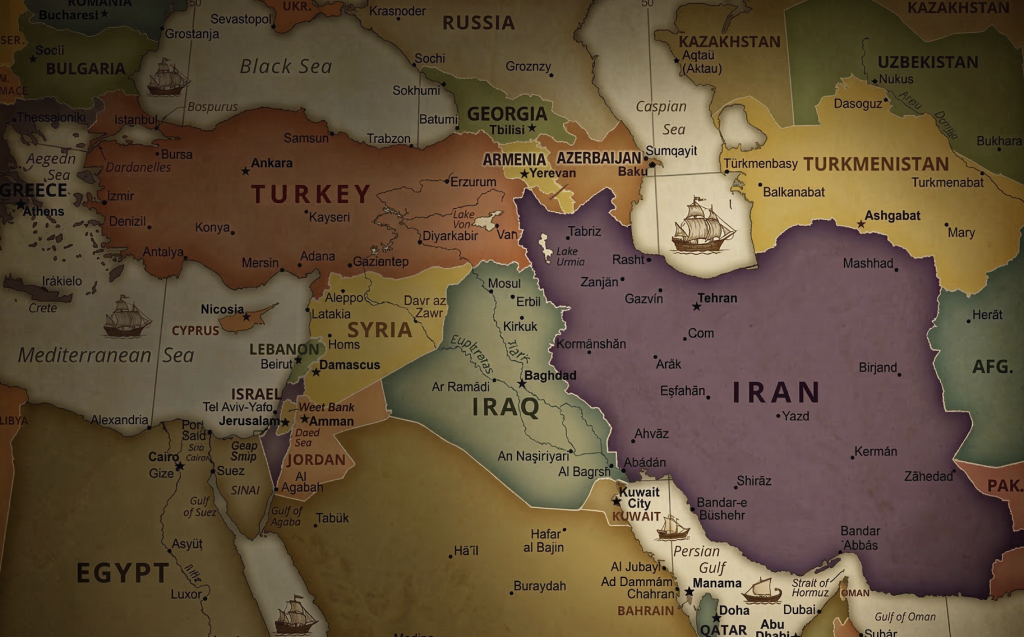
- A full unblocking of the Türkiye–Armenia and Azerbaijan–Armenia borders can create additional east–west supply chains, including a readily available route that passes from Baku and Nakhijevan to Türkiye using Armenian territory.
- The US–Israel–Iran War poses new challenges for the TRIPP and indicates that an even more careful balancing of US and Iranian interests by Armenia is needed.
- A full unblocking of regional infrastructure could generate an additional US$1.5 billion annually in trade, tourism, and transit revenue for the countries involved. By contrast, the TRIPP project alone is estimated to generate $351.3 million a year.
- The full unblocking of regional communications serves the interests of the three countries of the South Caucasus, their neighbors, and international partners. It can make the South Caucasus an arena not of heightened competition but of cooperation.
- Full unblocking may also bring additional agency to the South Caucasus countries and form a regional identity, a development that the region has been lacking since the collapse of the Soviet Union.