Yerevan, Armenia
- September 23-25, 2026
The best way to predict the future is to design it.
— R. Buckminster Fuller
Amidst the chaotic fractures of the global order, Yerevan’s figurative and physical landscape is changing. A new layout is emerging. And, paradoxically, in this volatility, Armenians’ reliance on crisis management is being replaced by a more forward-looking confidence. The time to sketch the first drafts of our future has come.
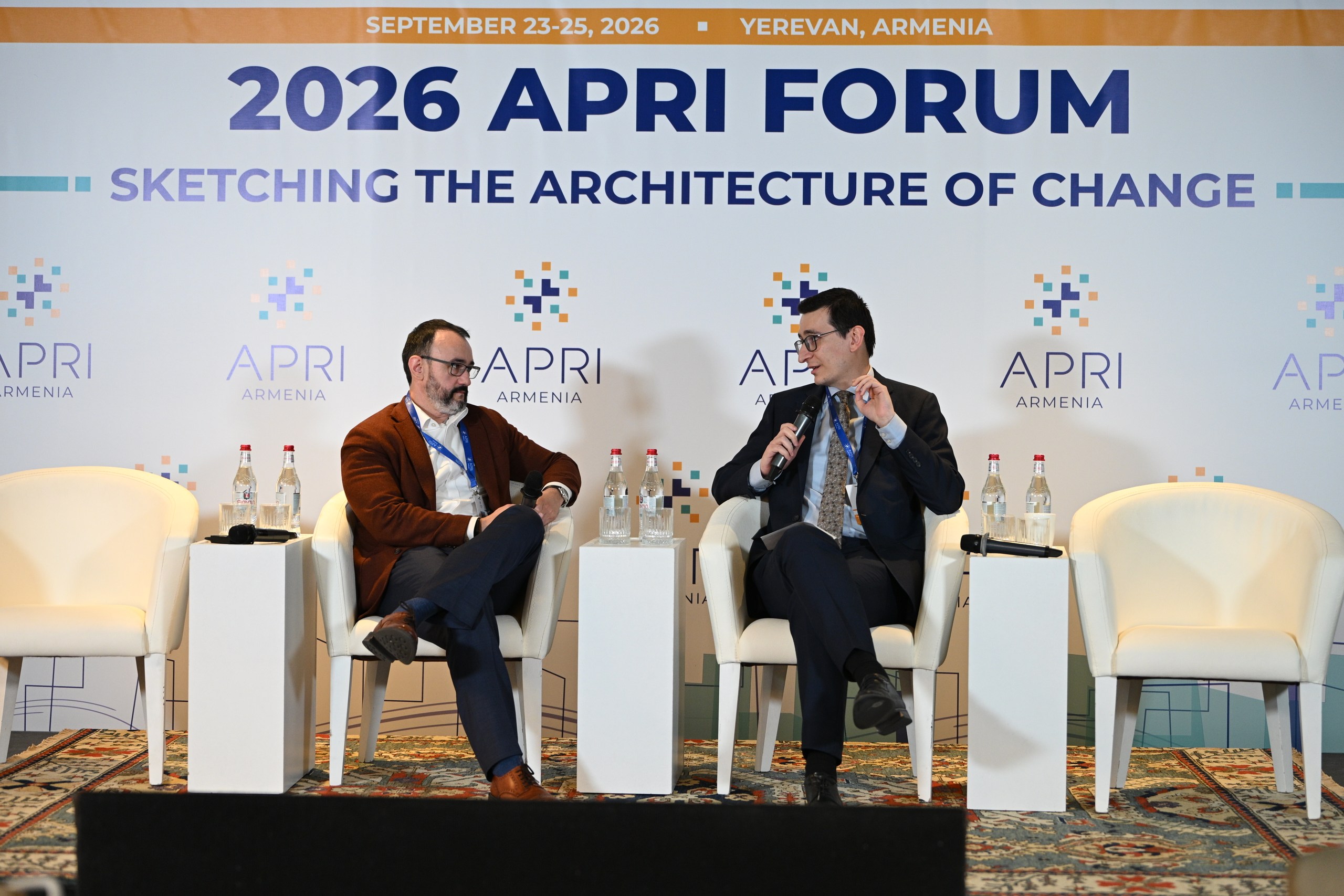
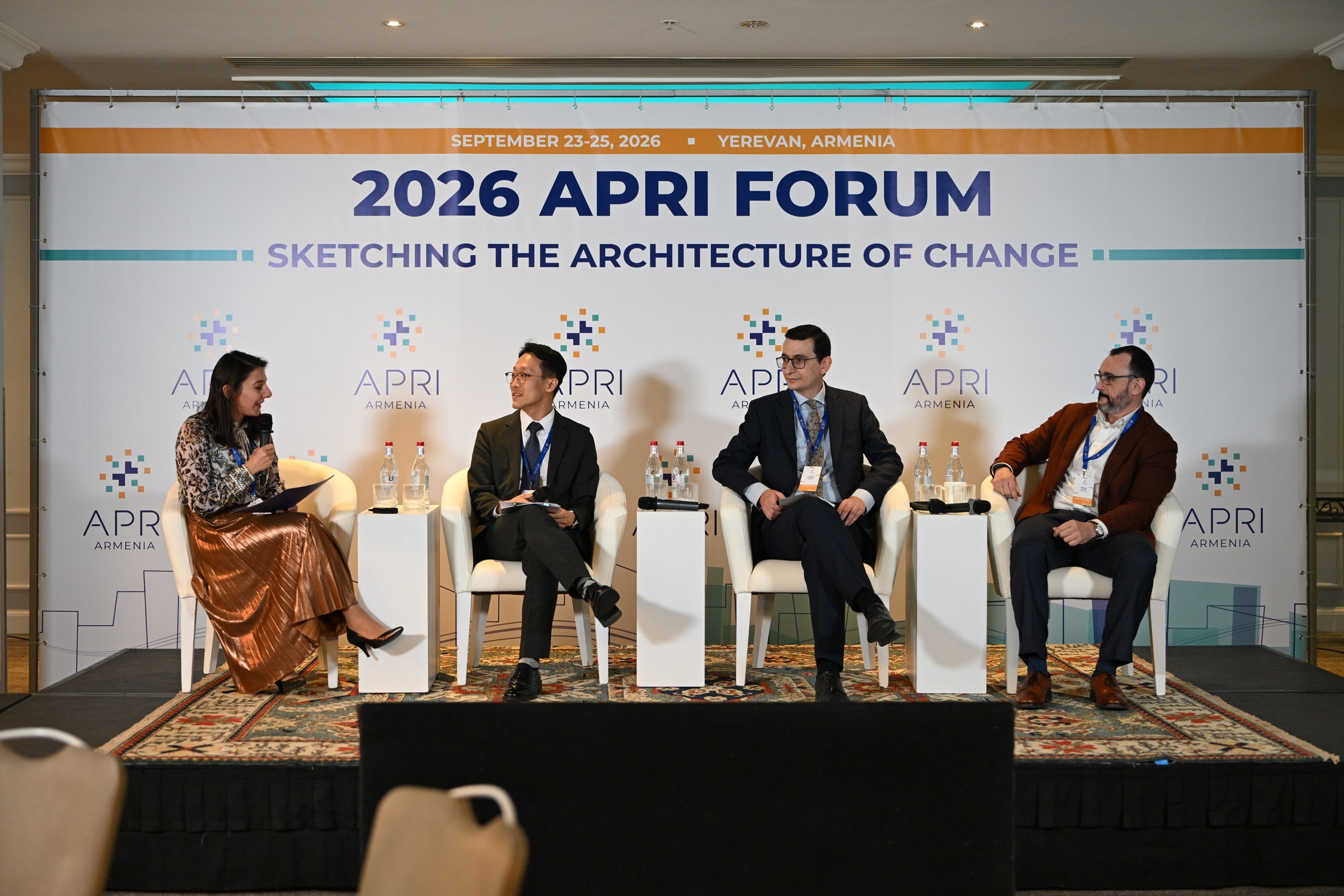
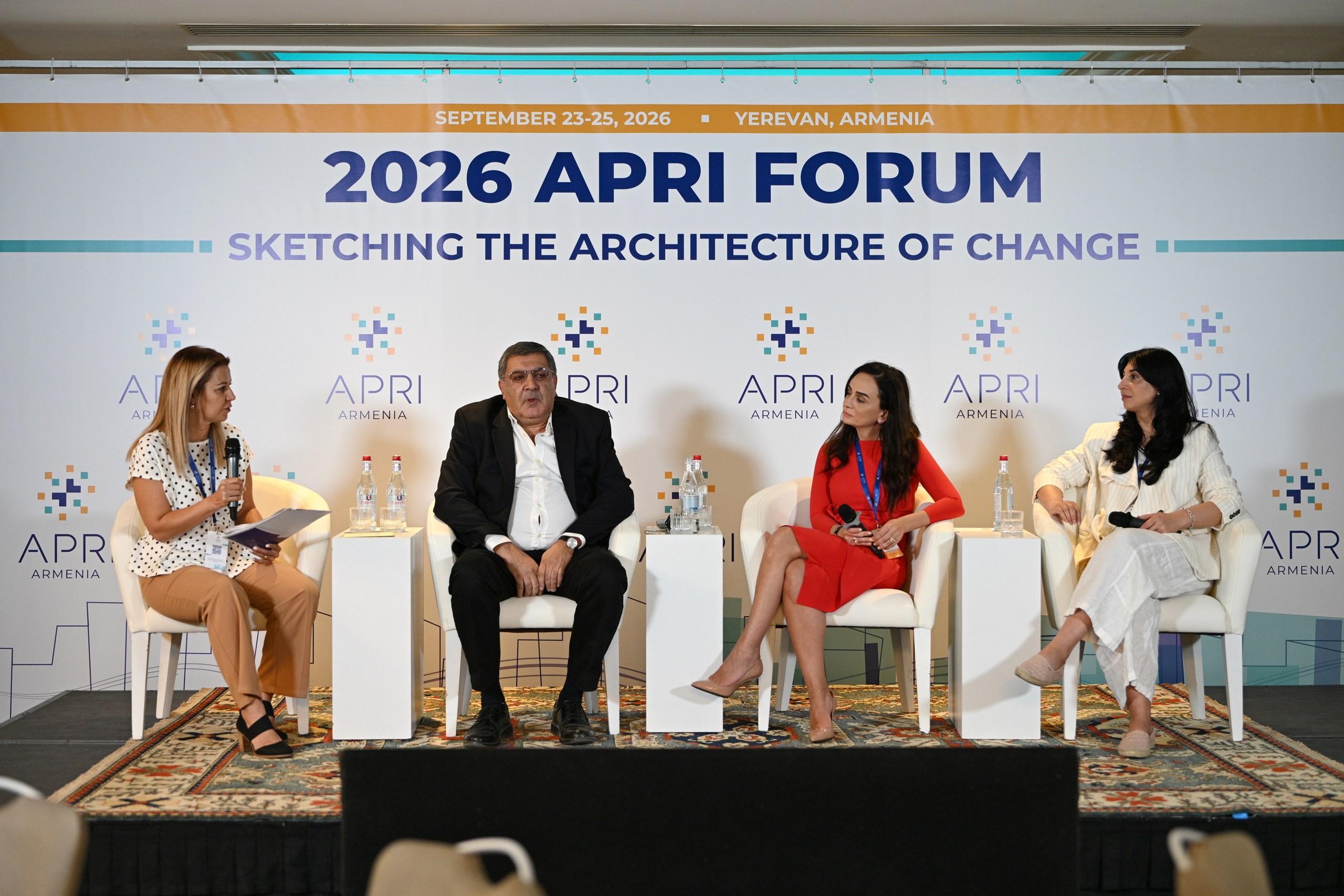
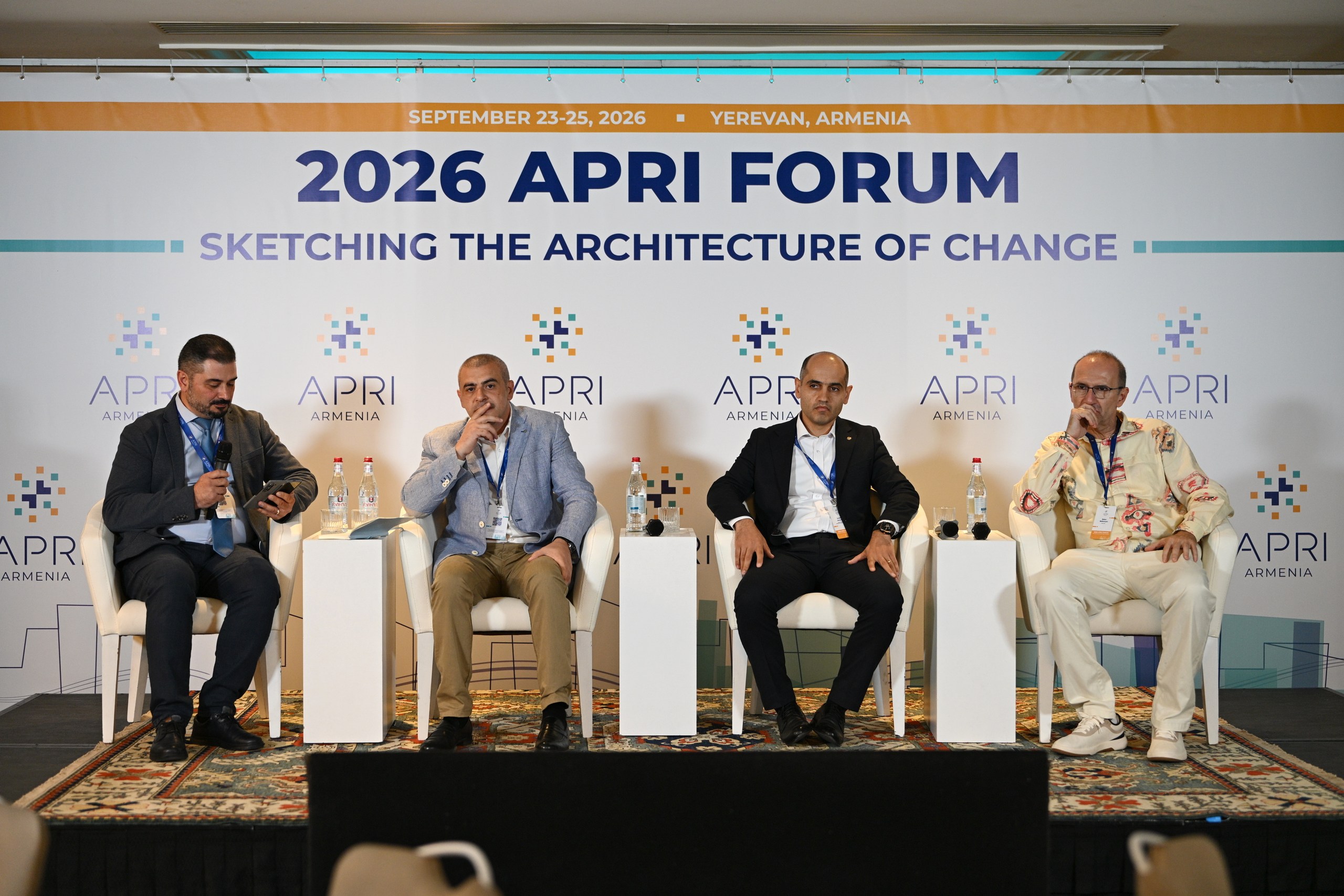
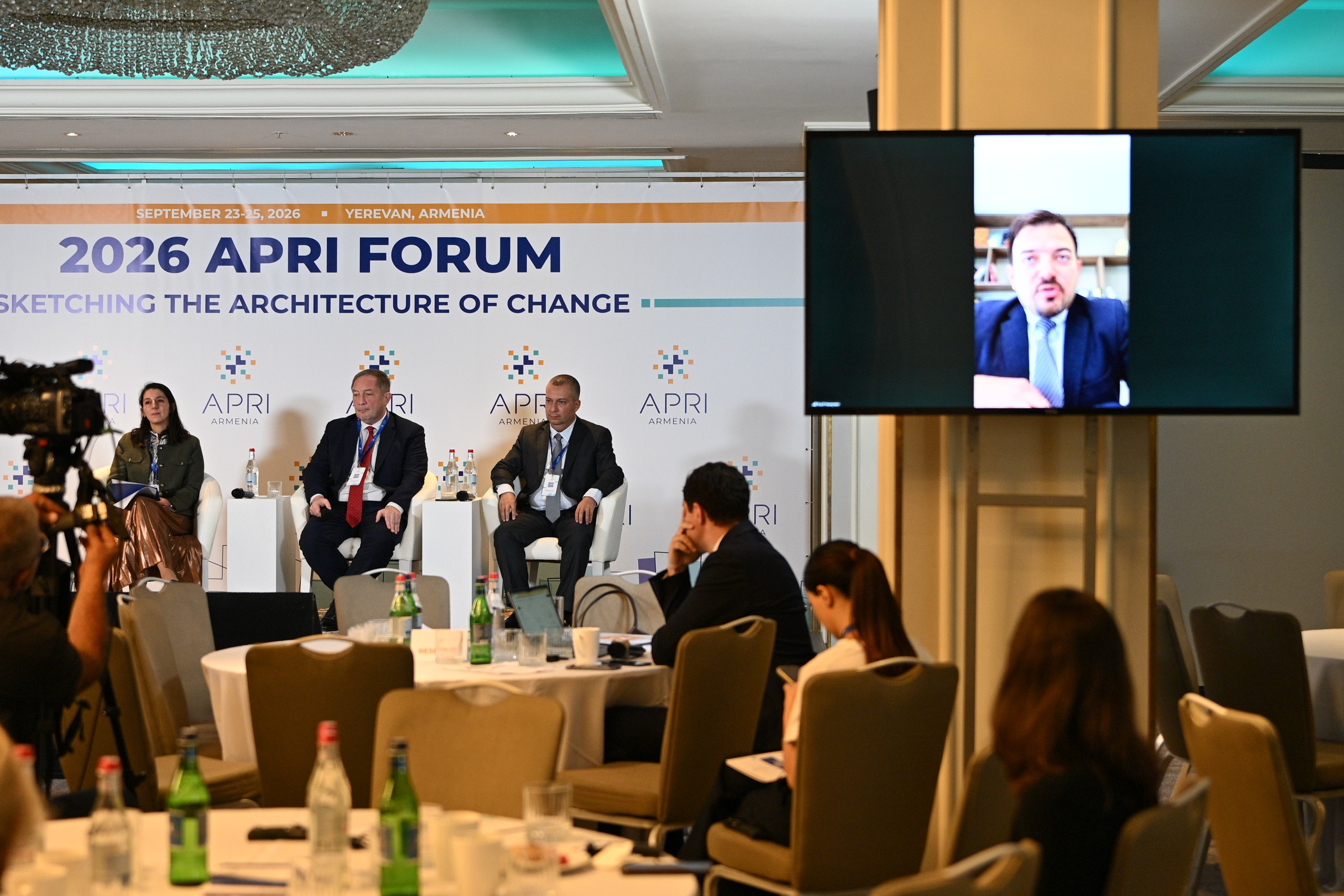
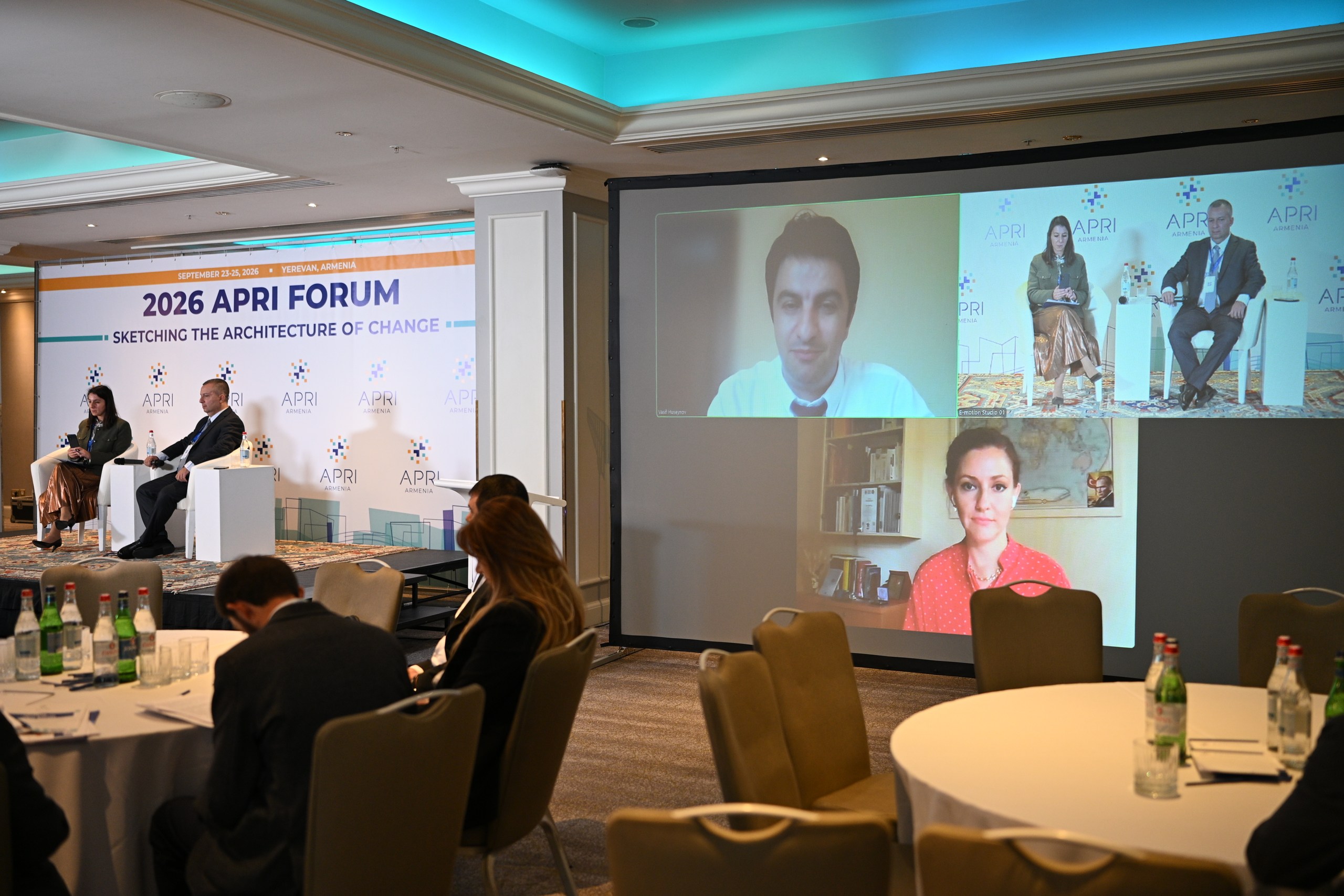
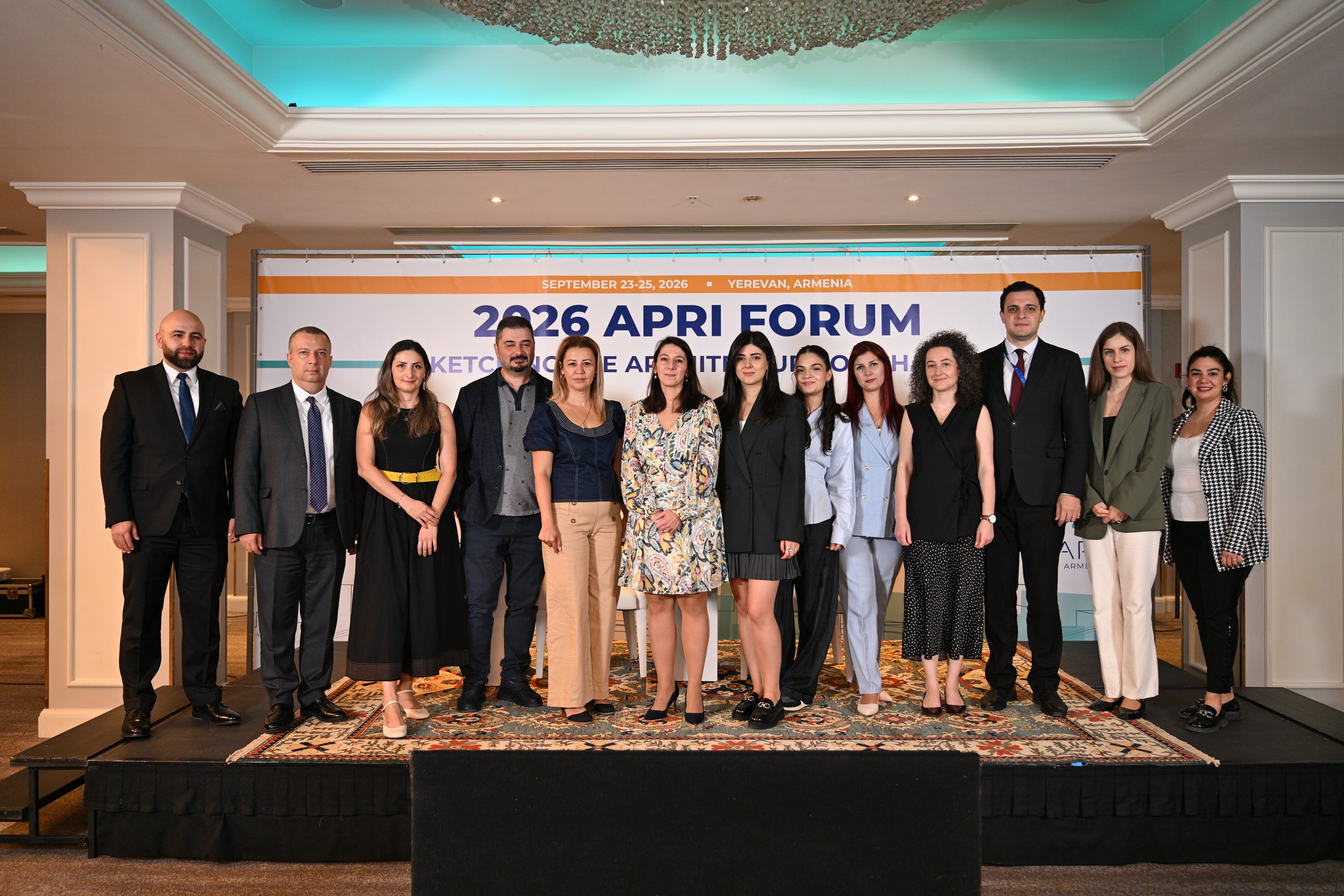
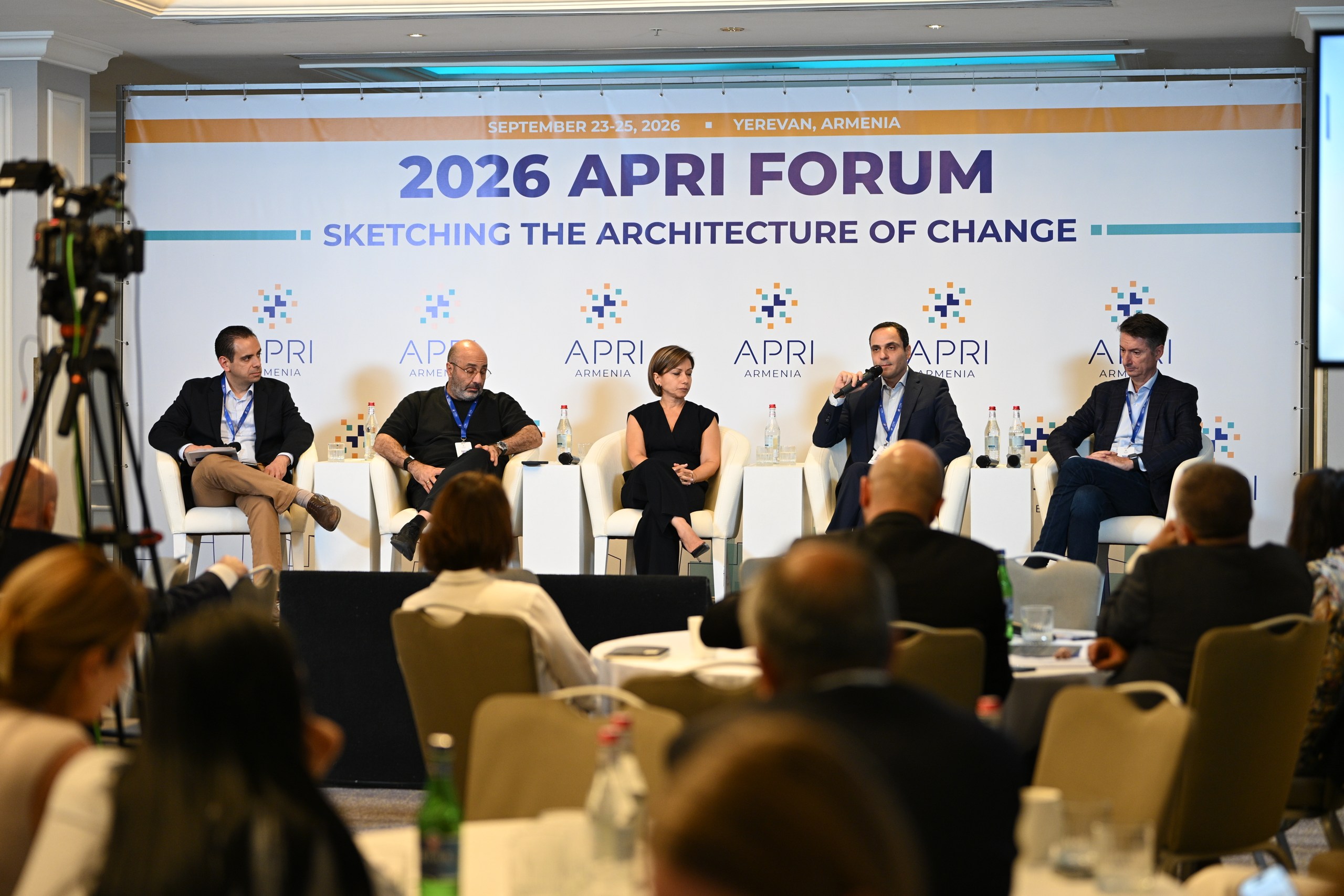
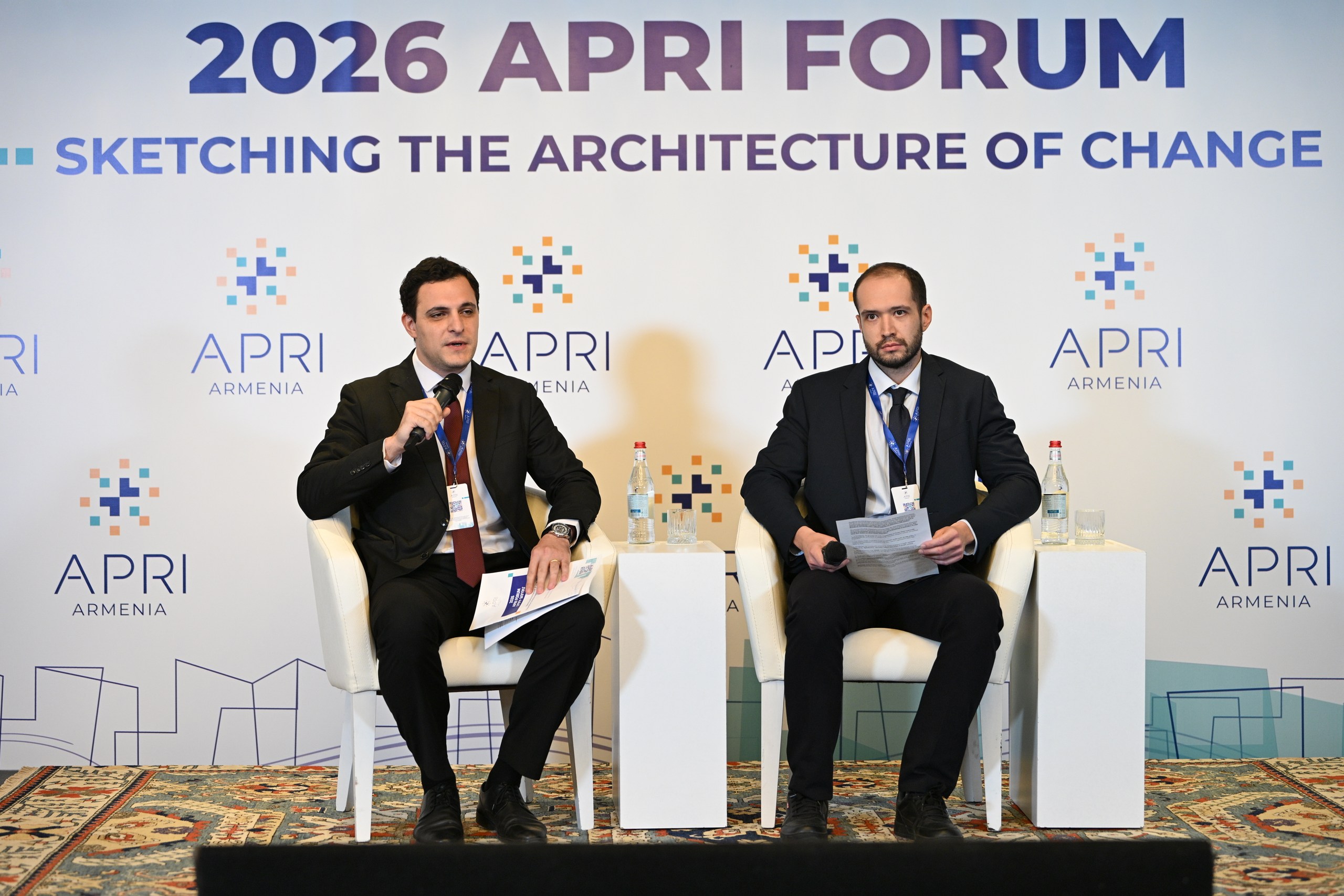
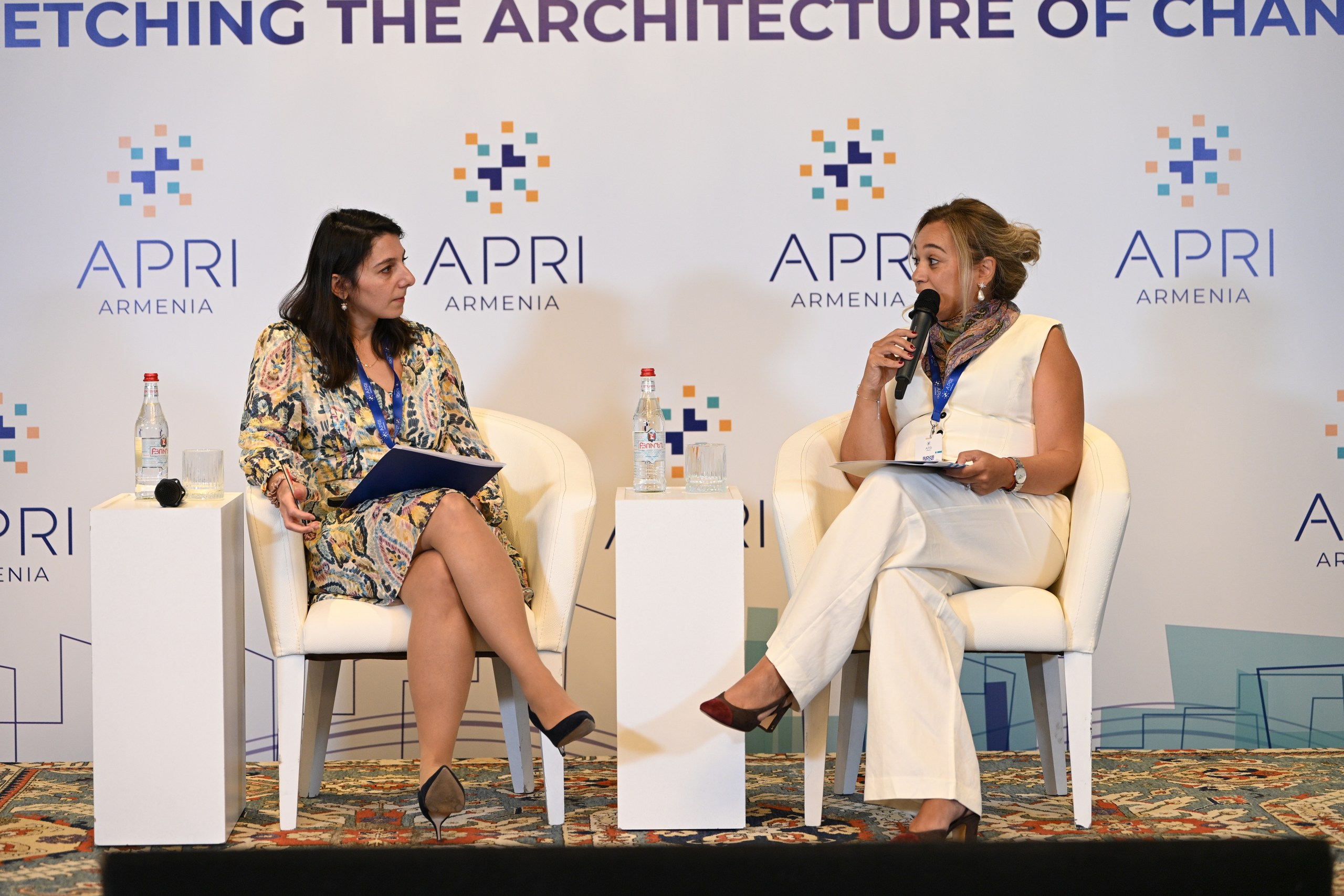
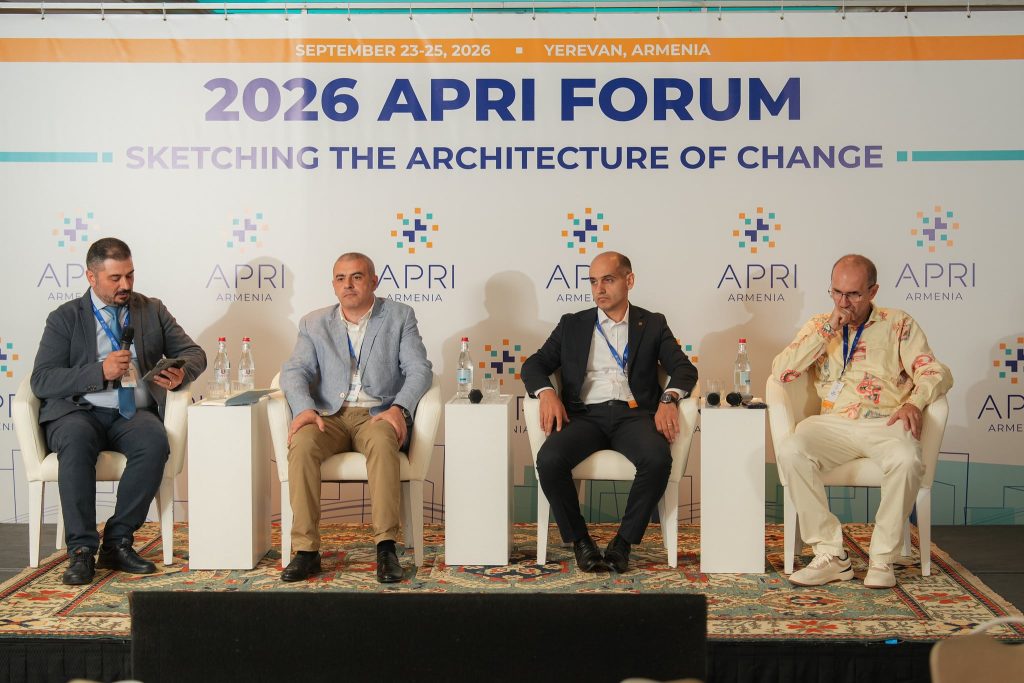
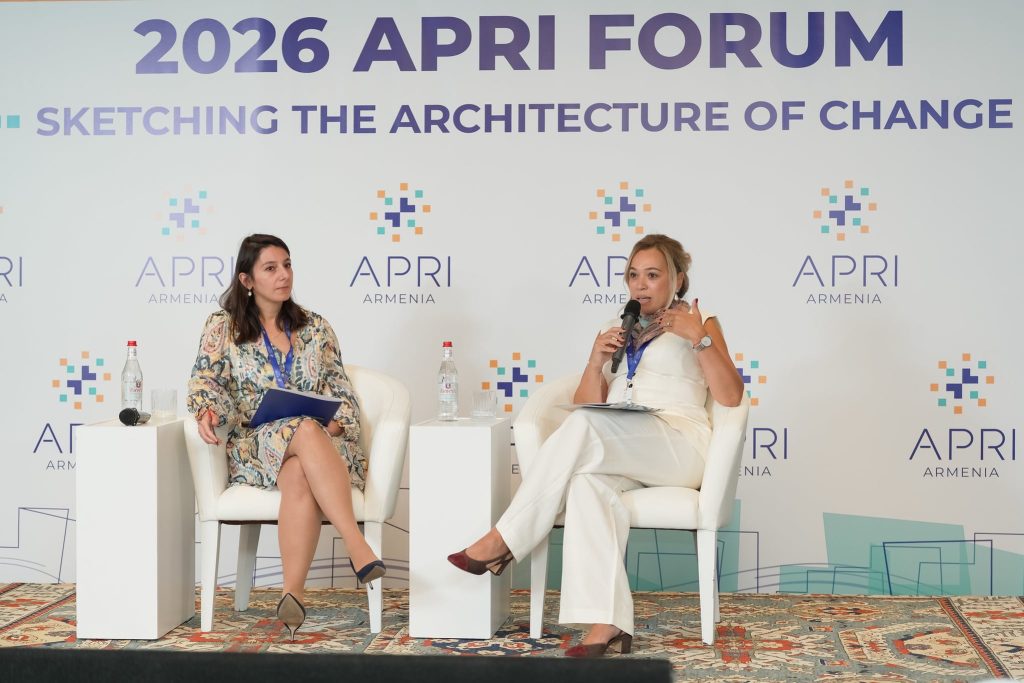
The theme for APRI Armenia’s 2026 Yerevan conference was “Sketching the Architecture of Change.” It provided a platform for engagement on the fundamental building blocks required to boost Armenians’ agency and secure a sovereign future.
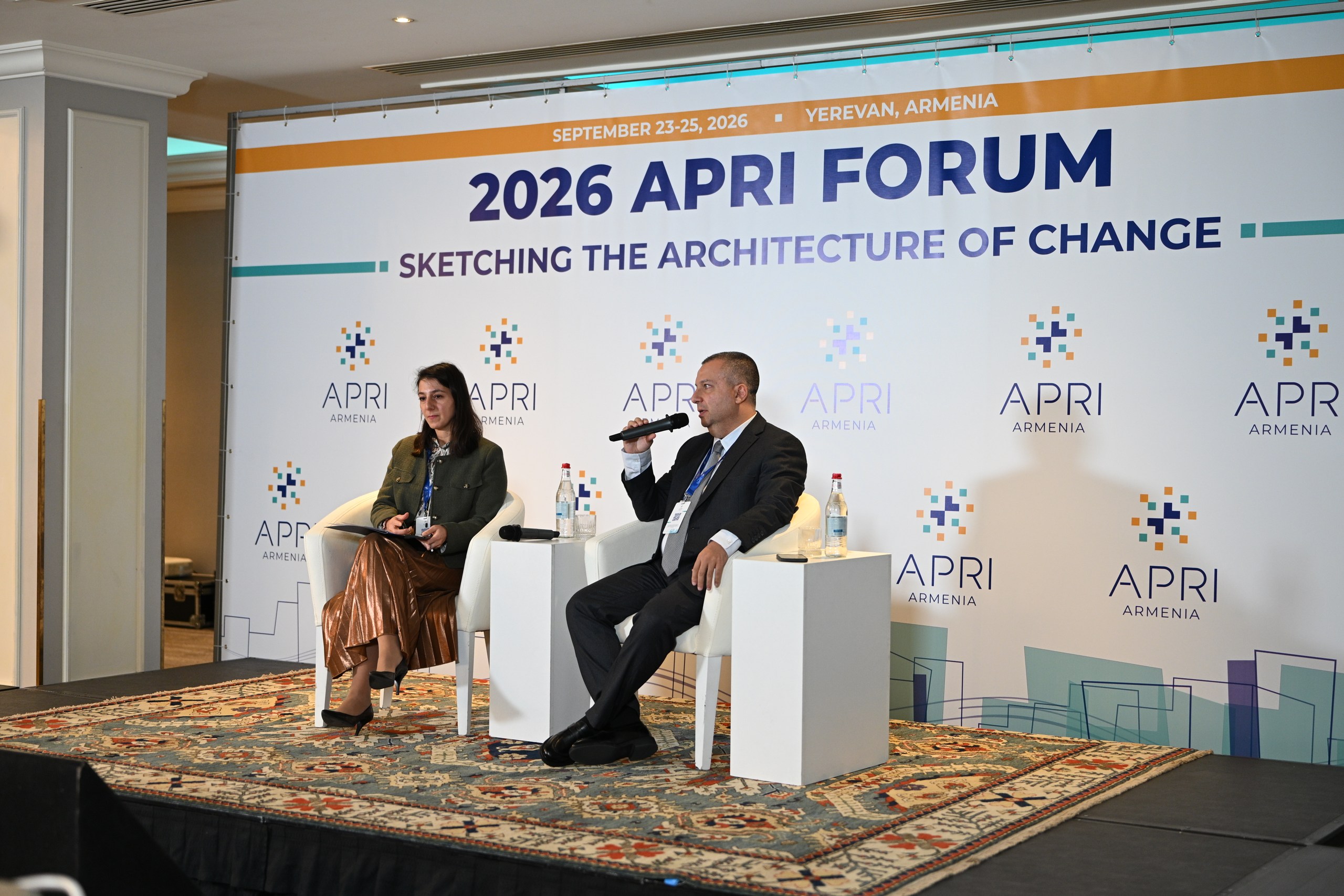
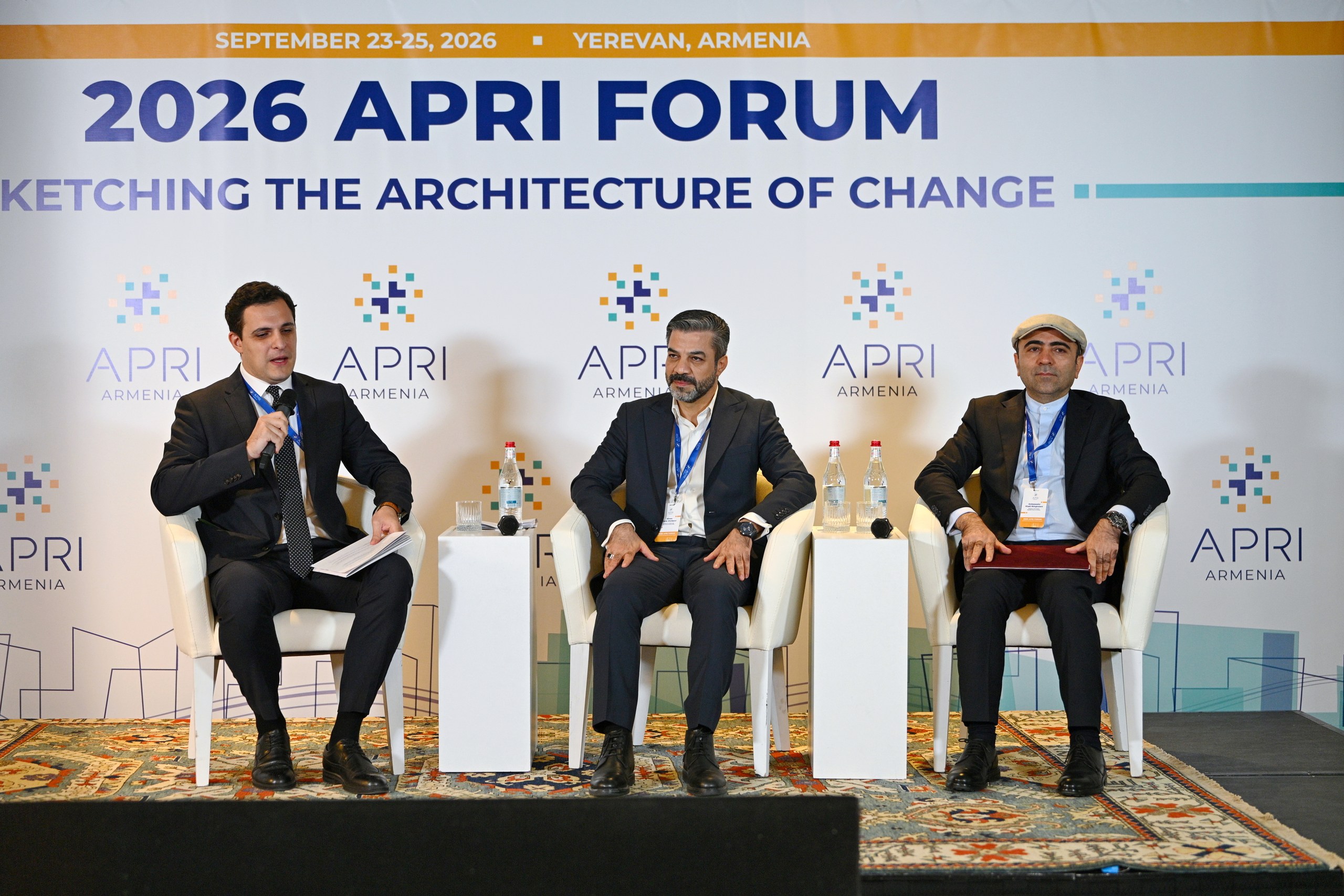
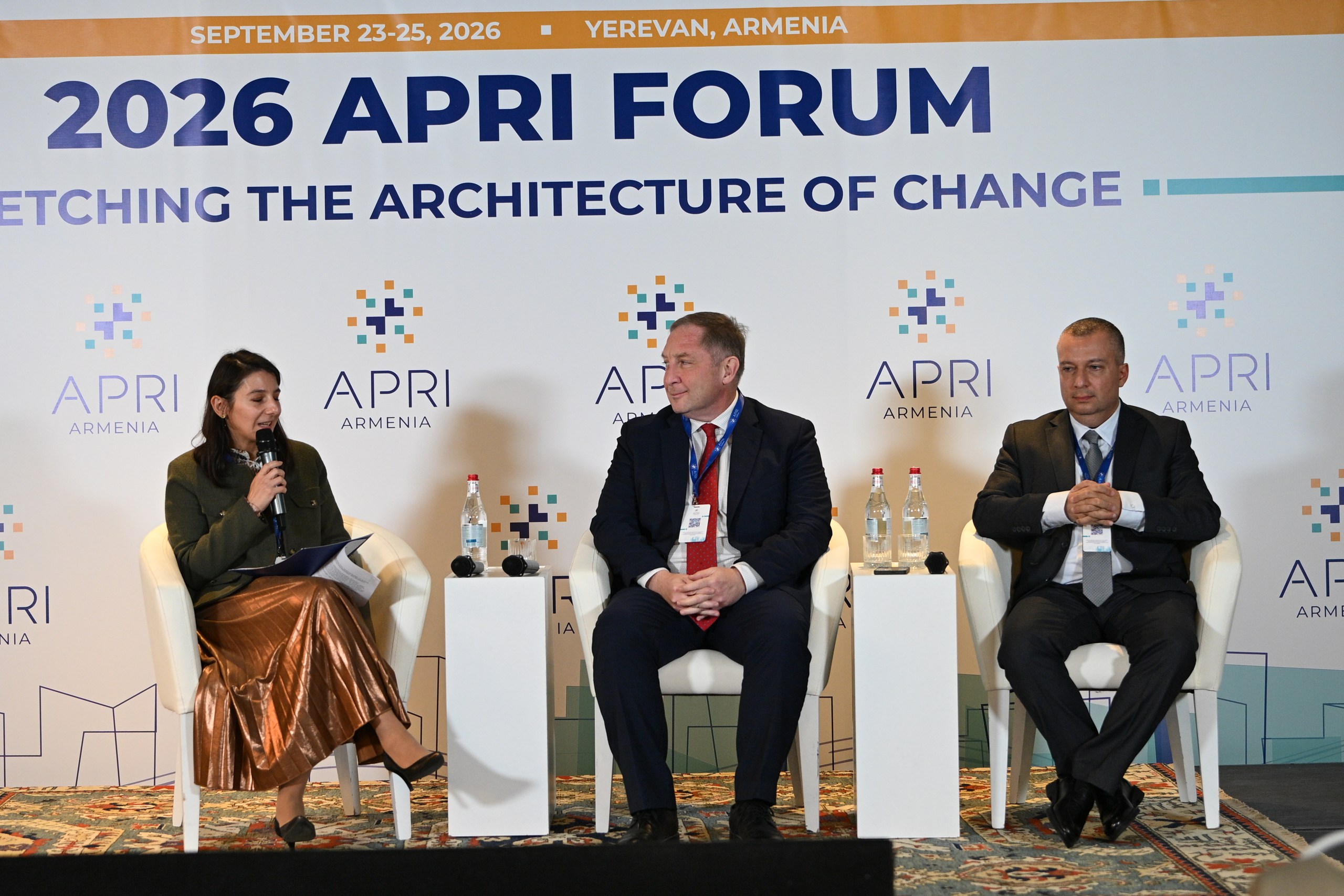
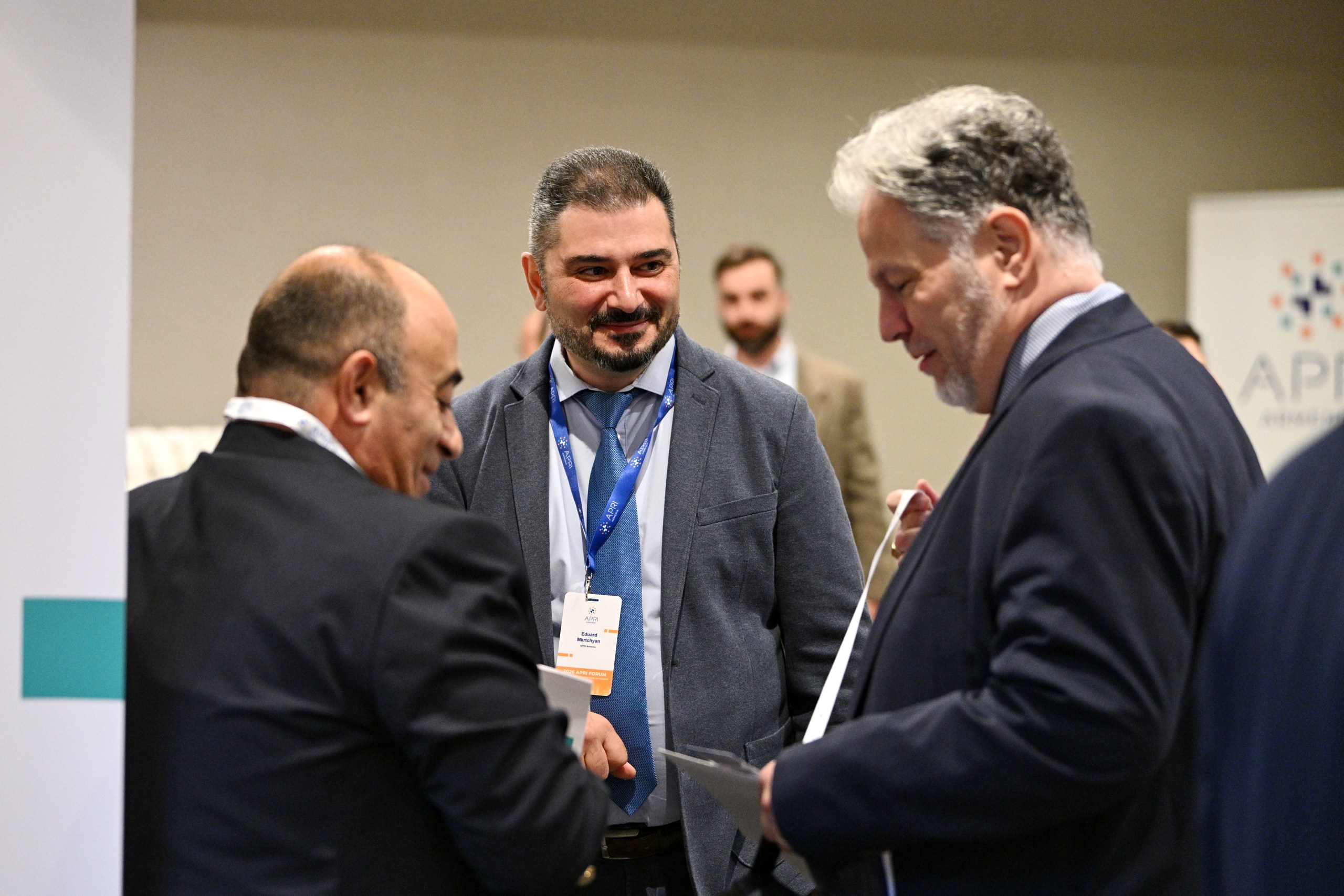
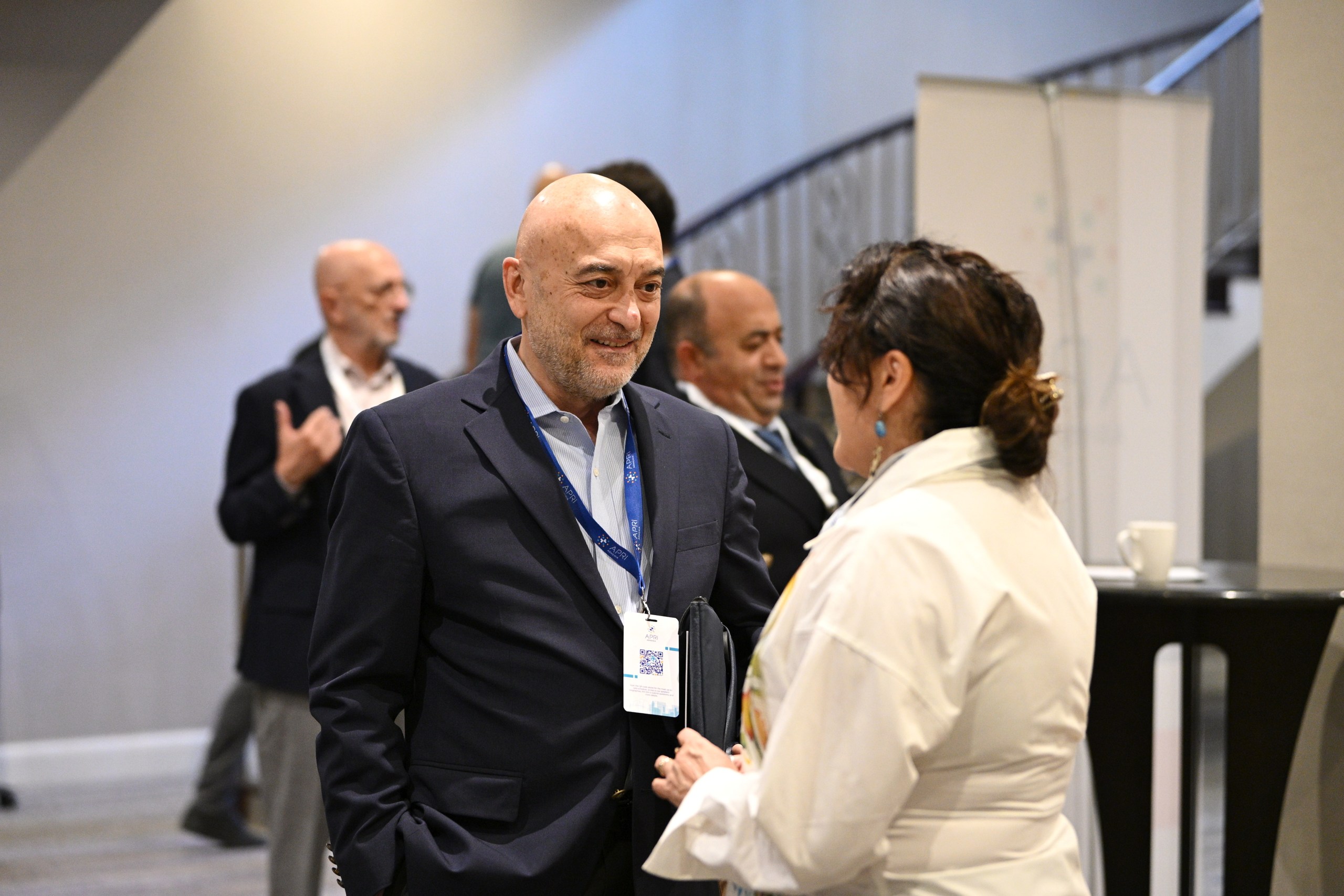
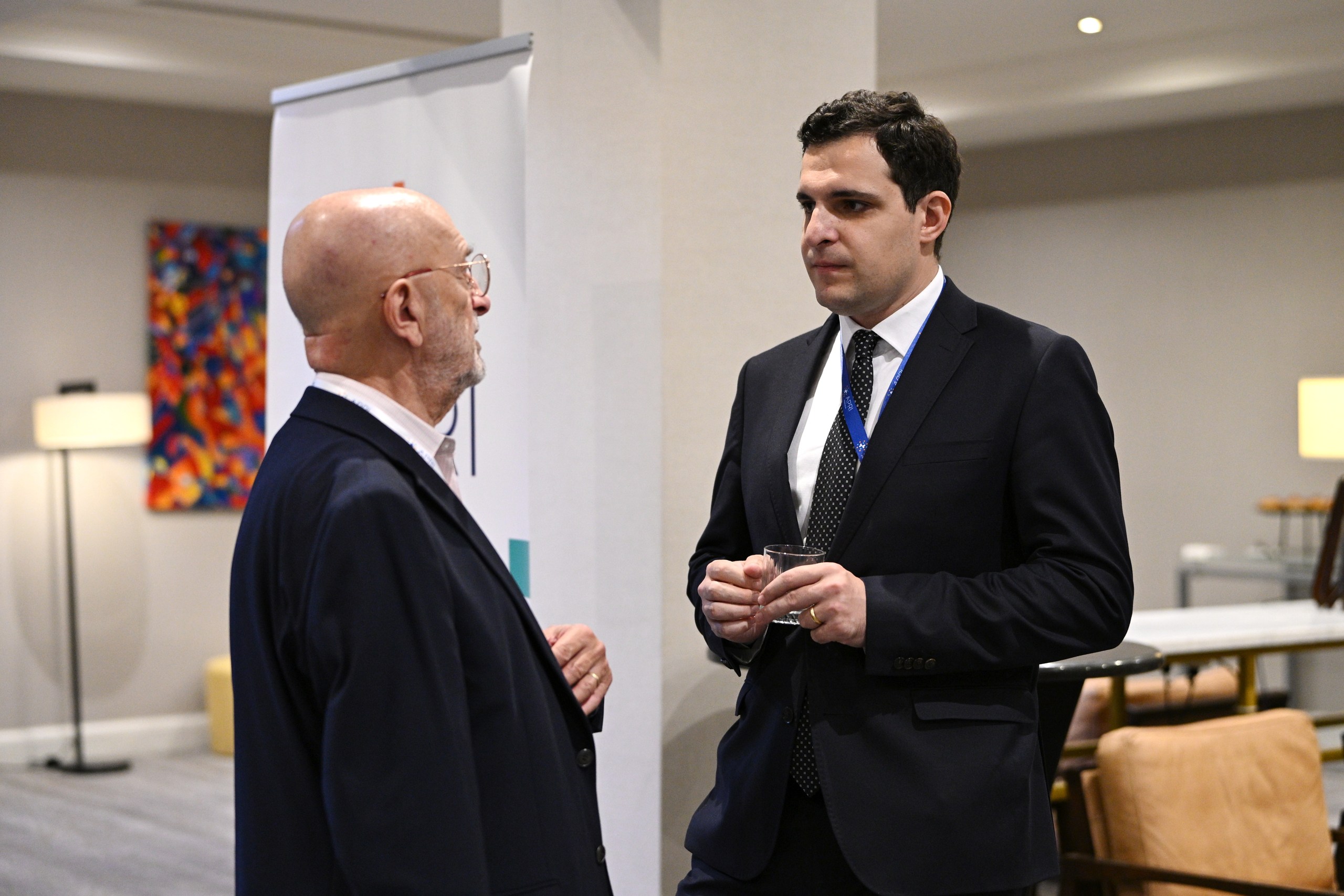
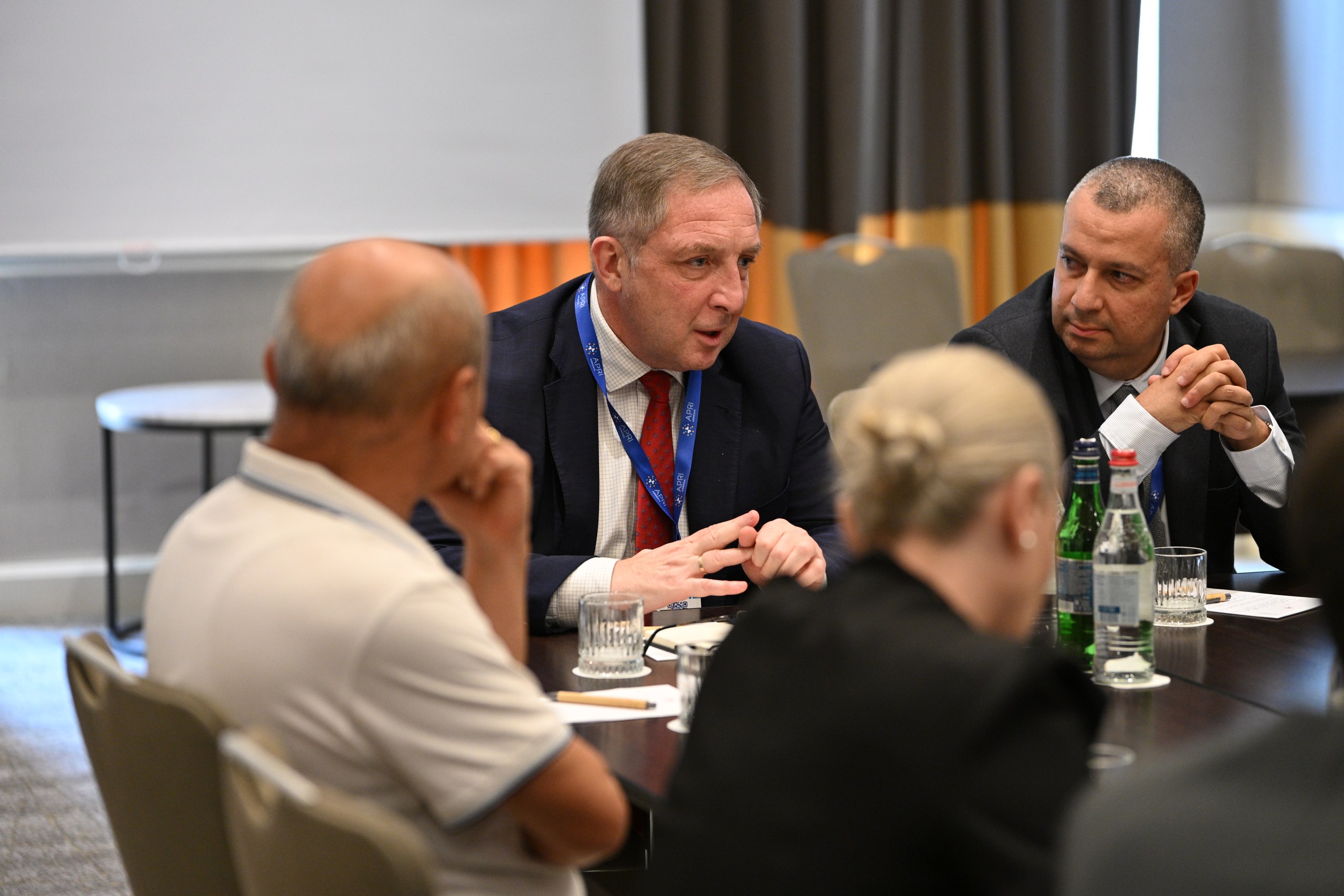
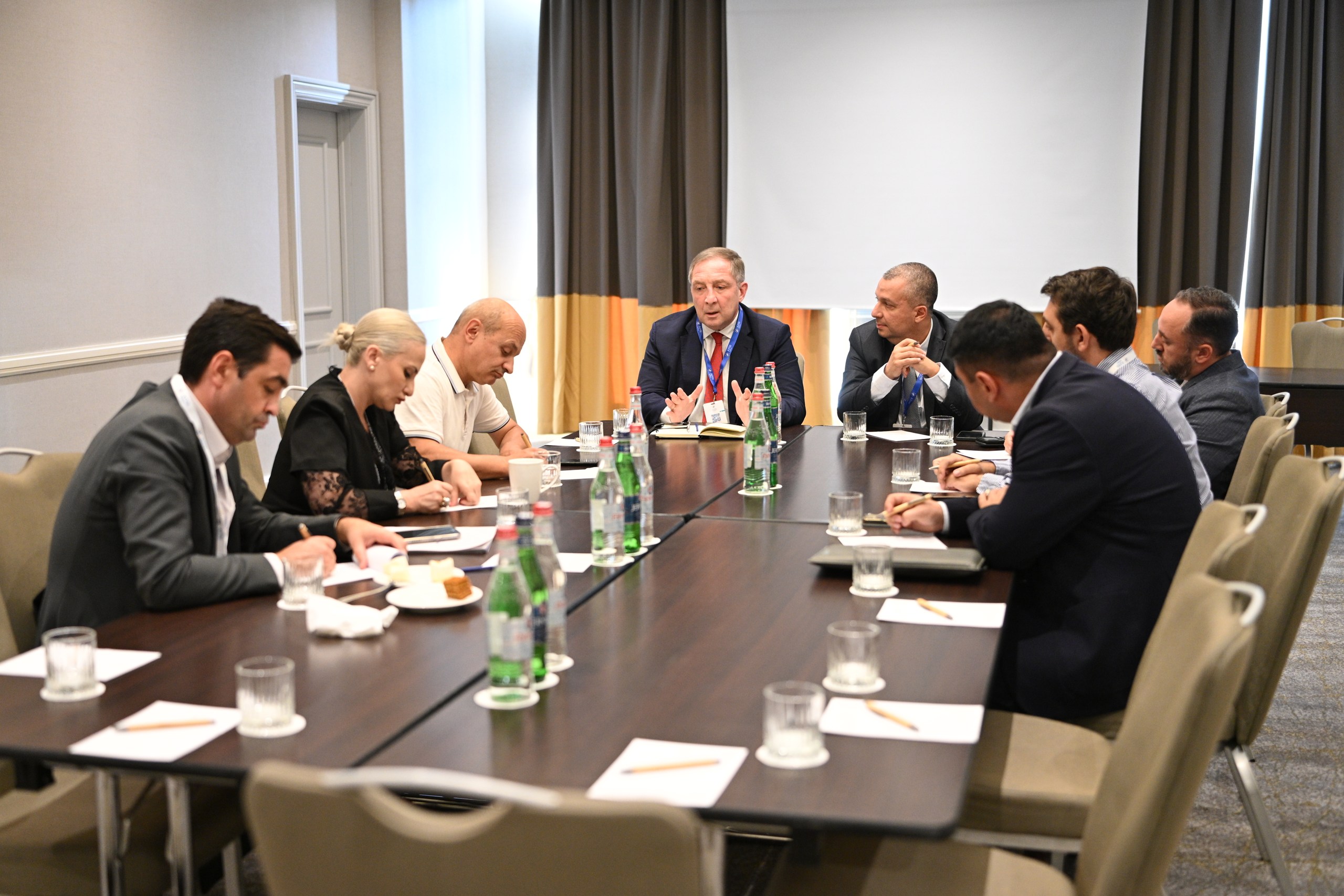
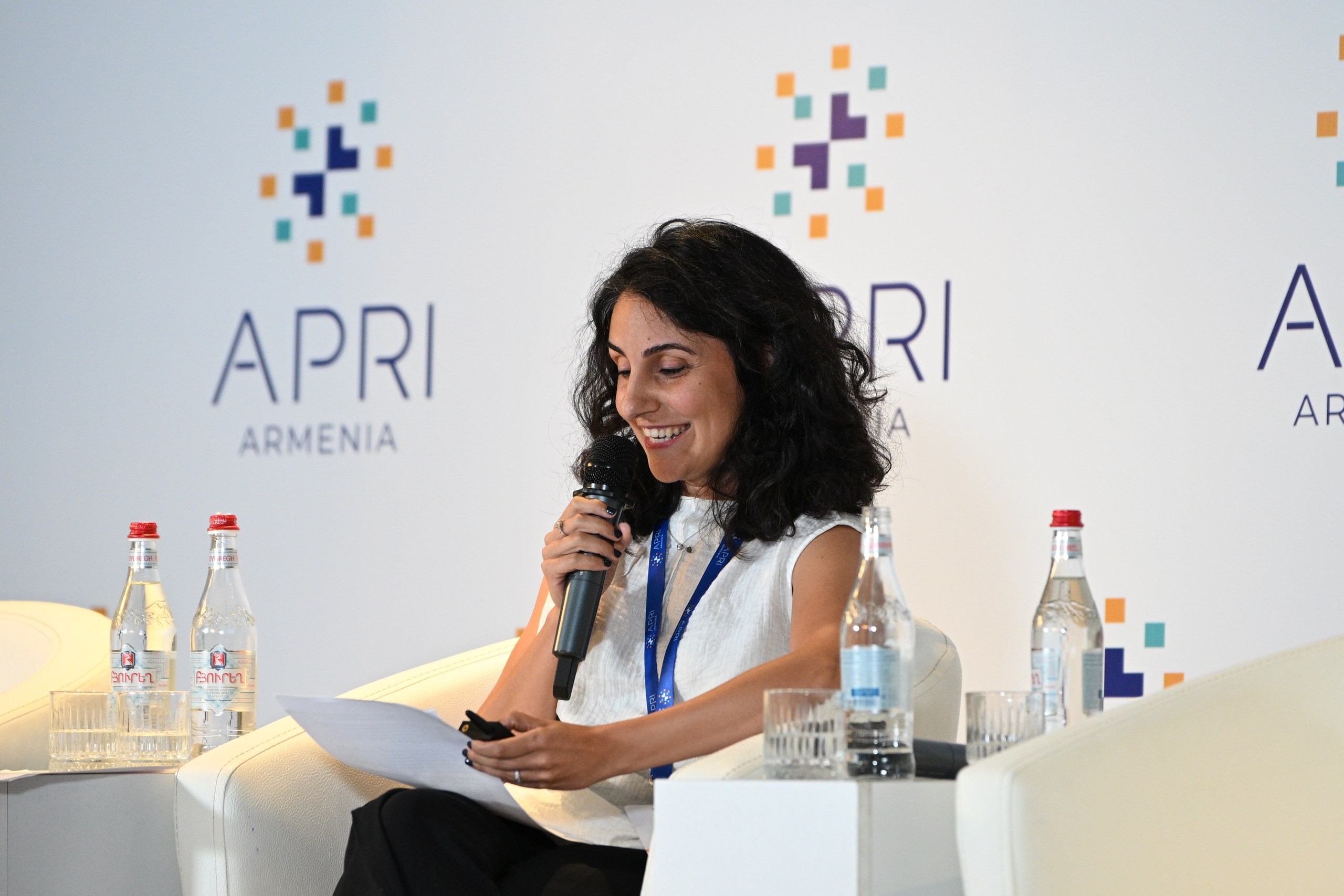
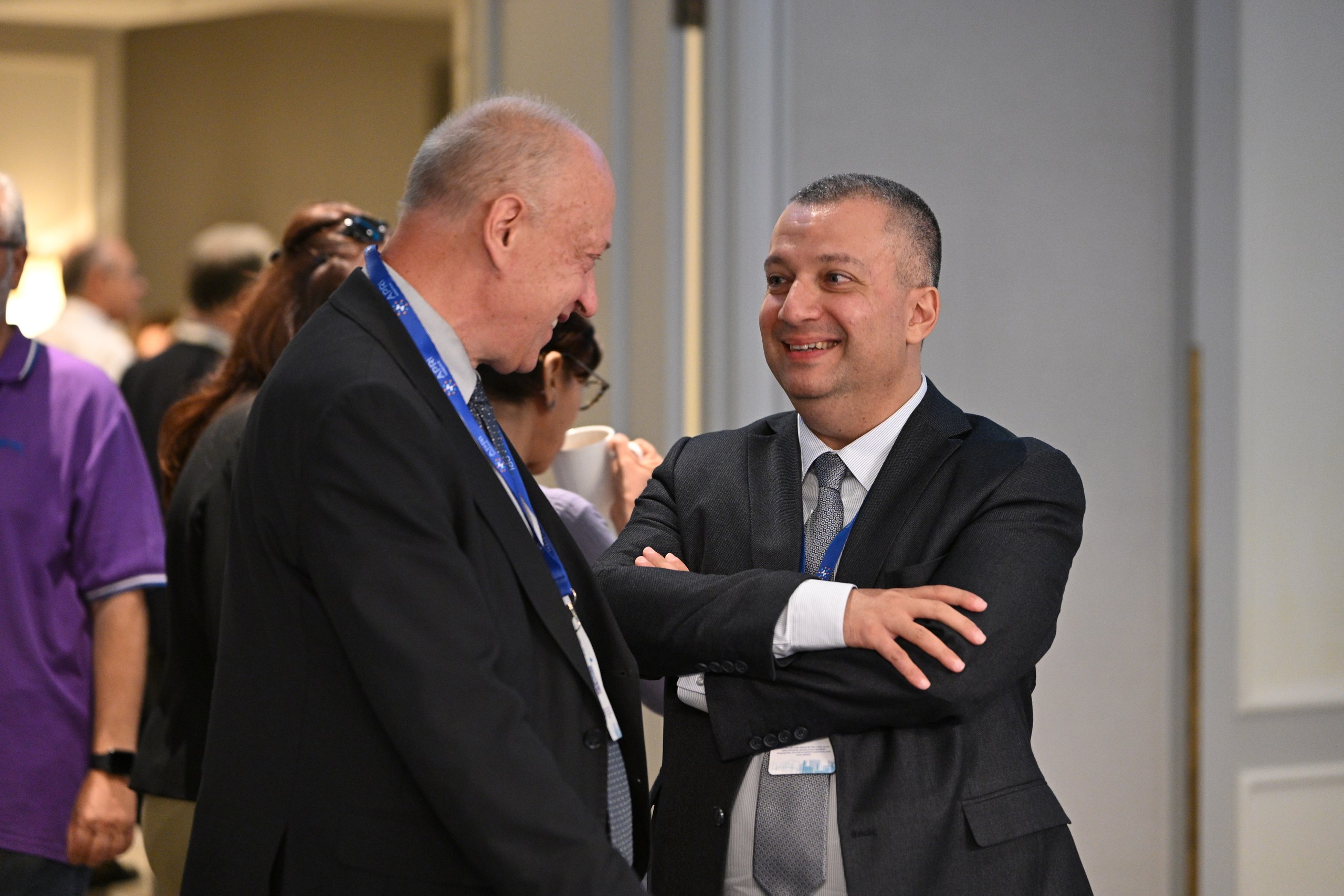
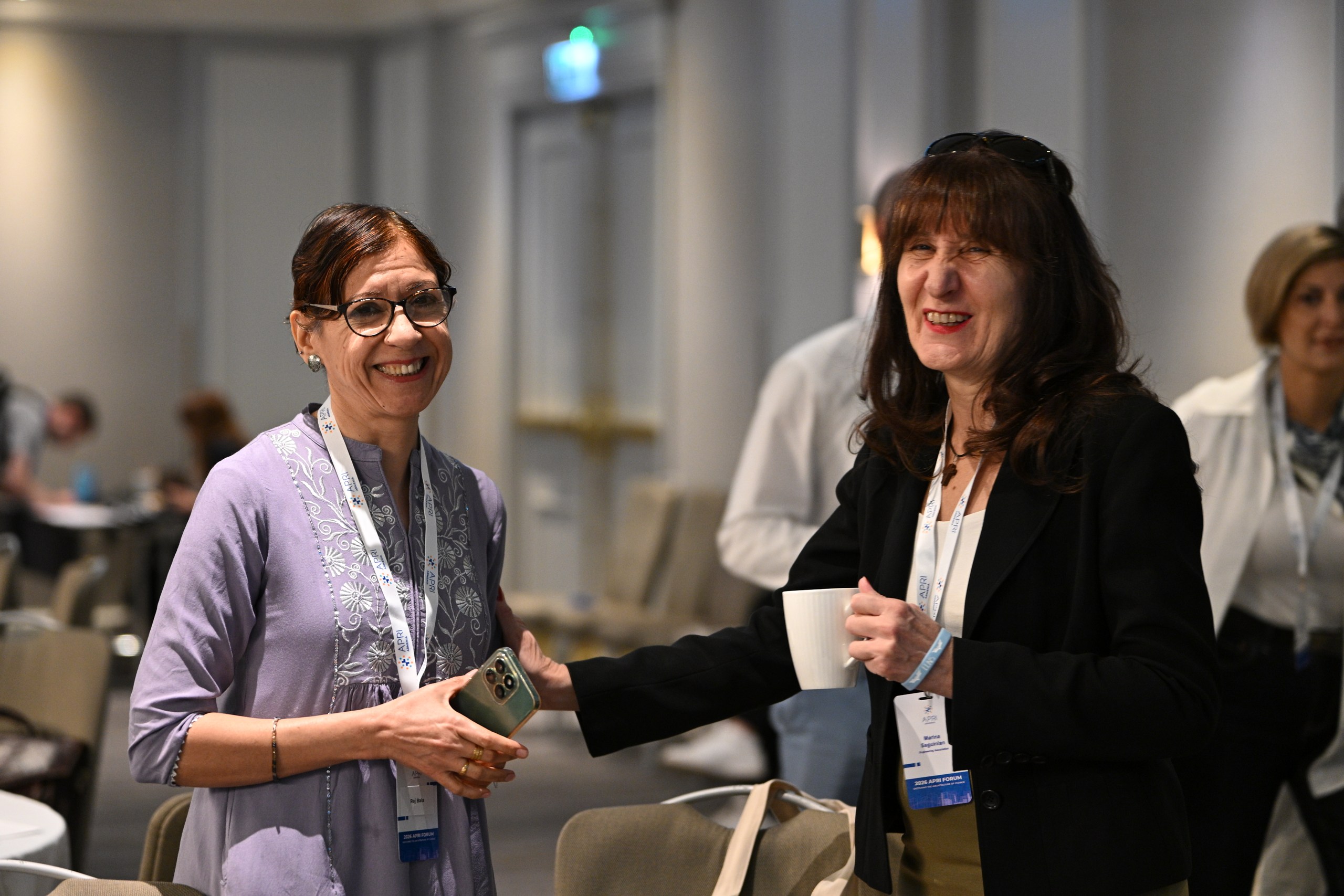
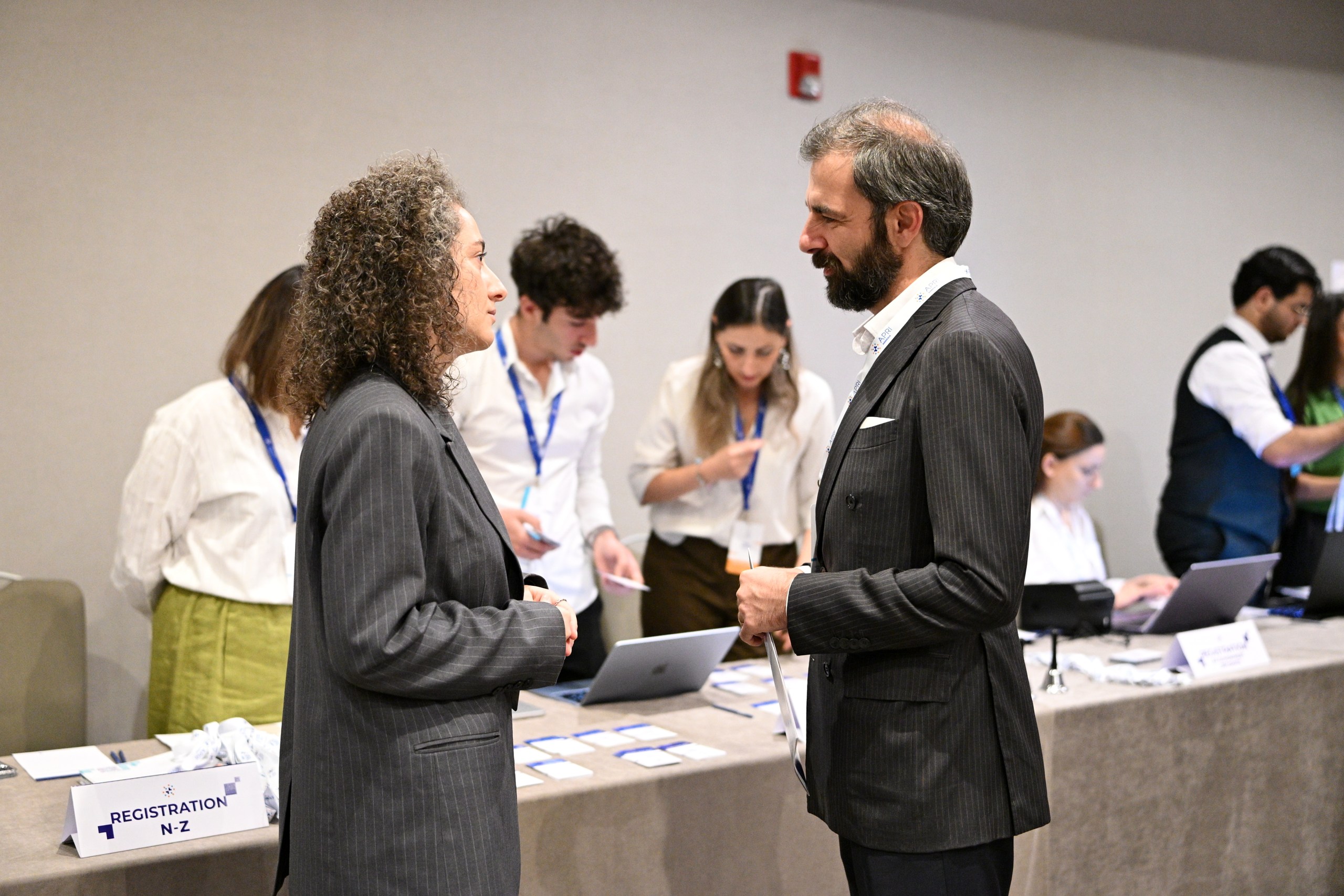
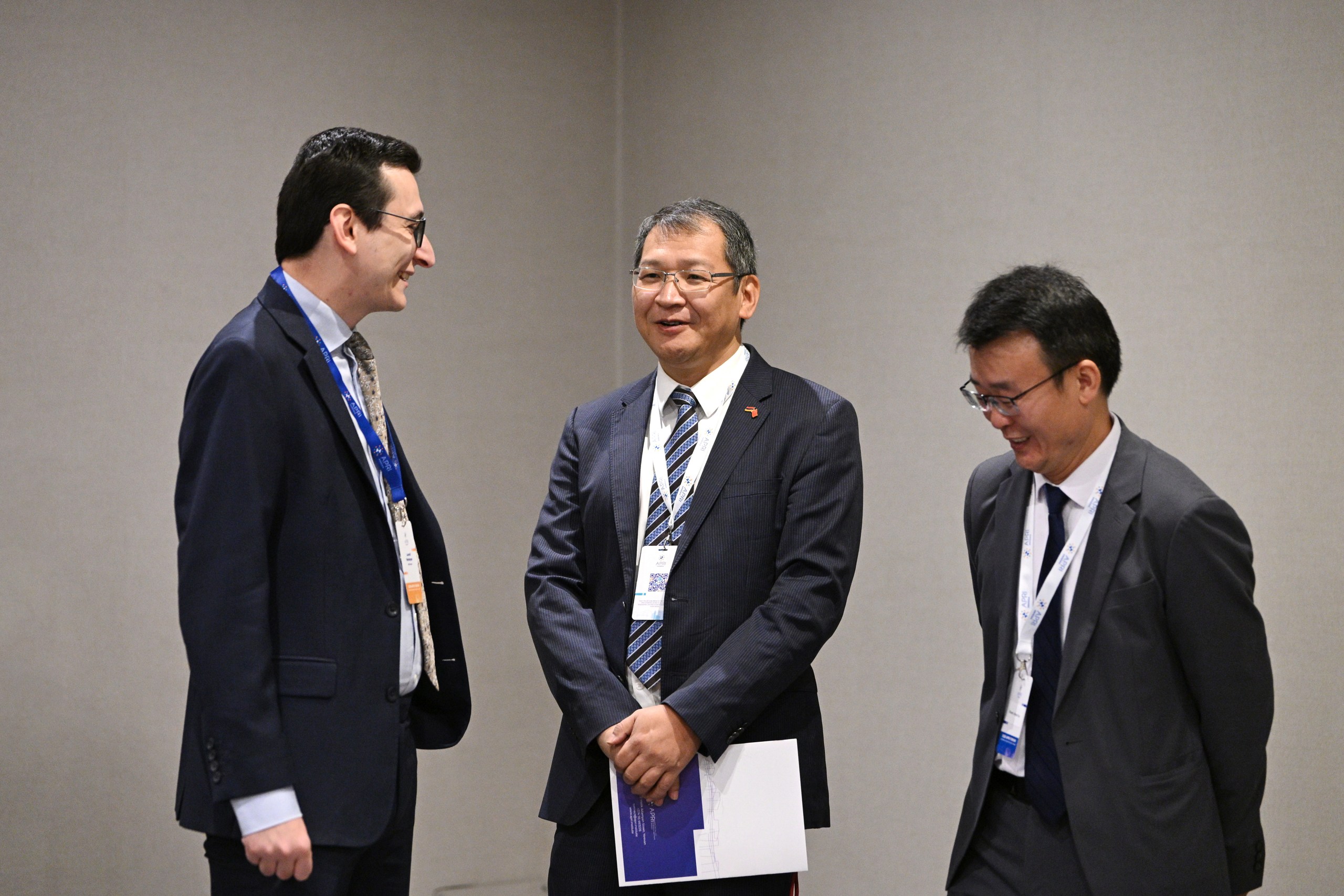
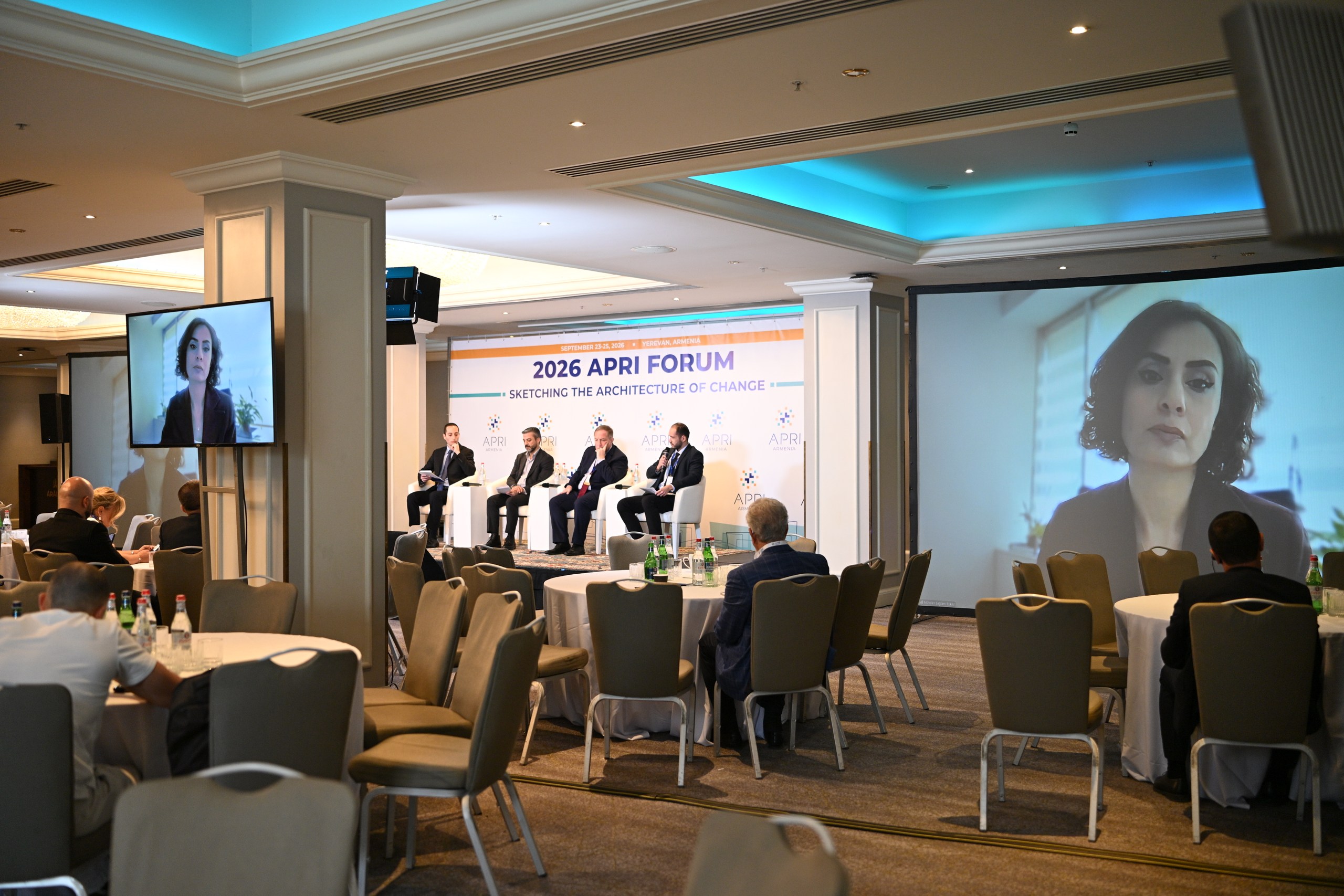
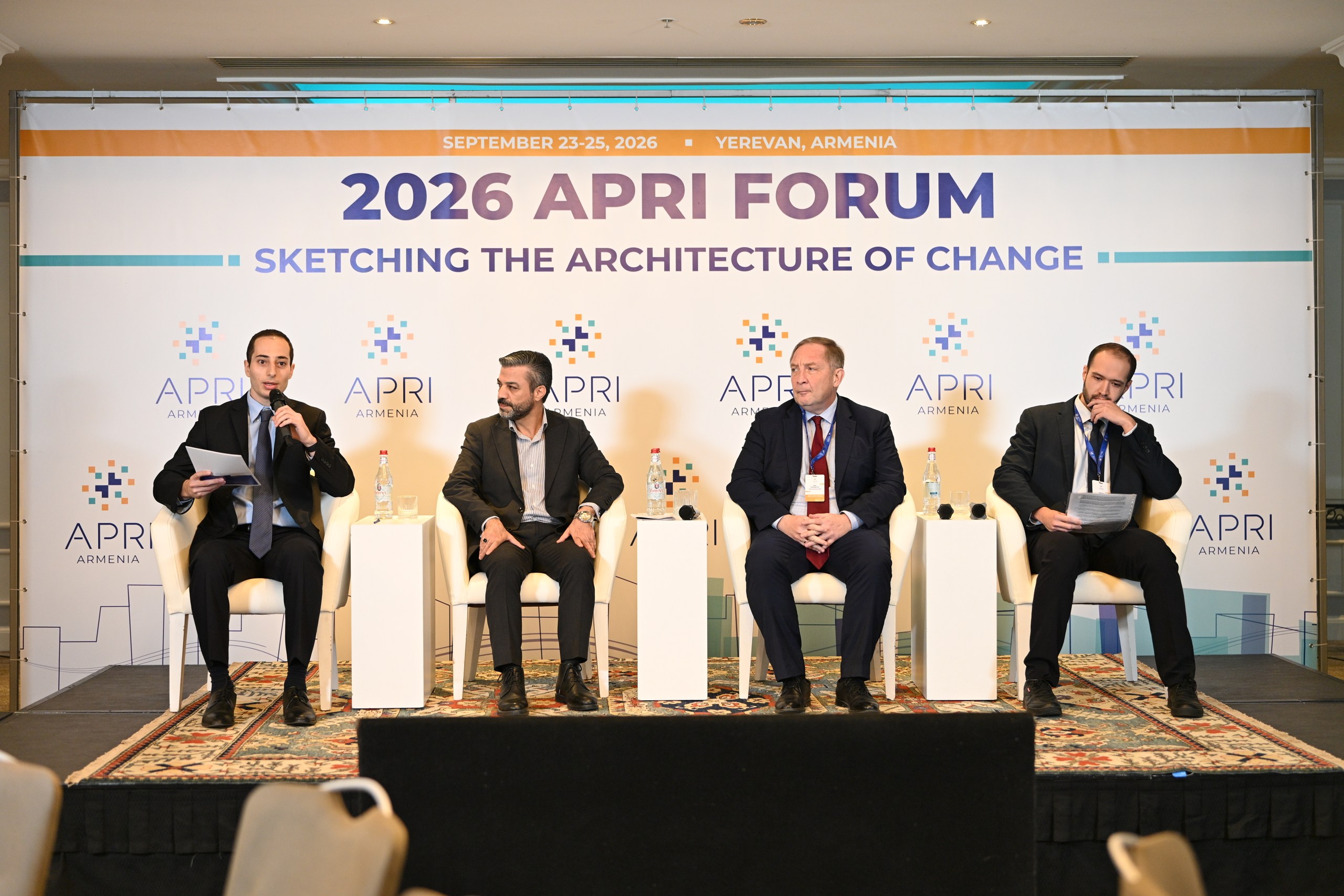
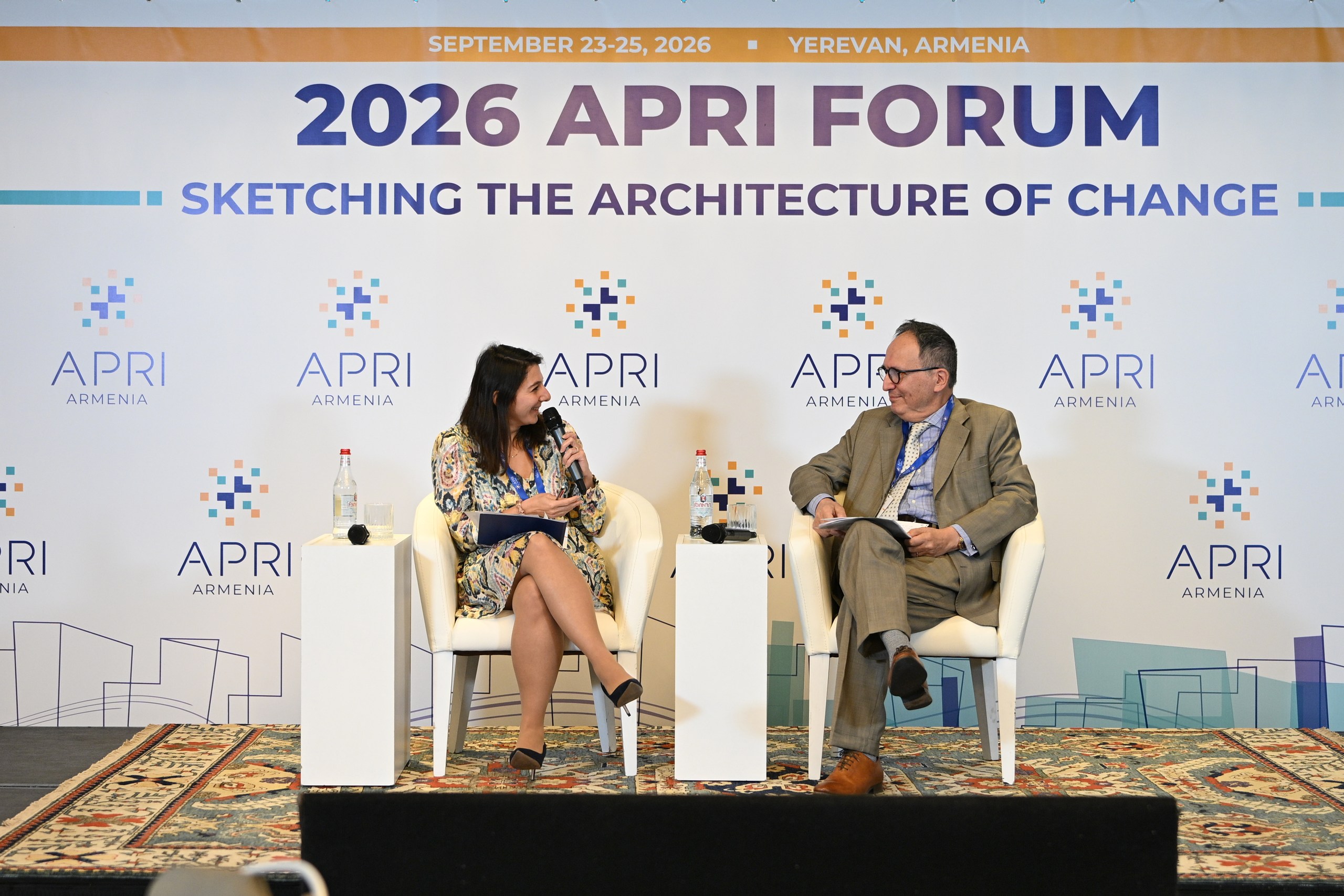
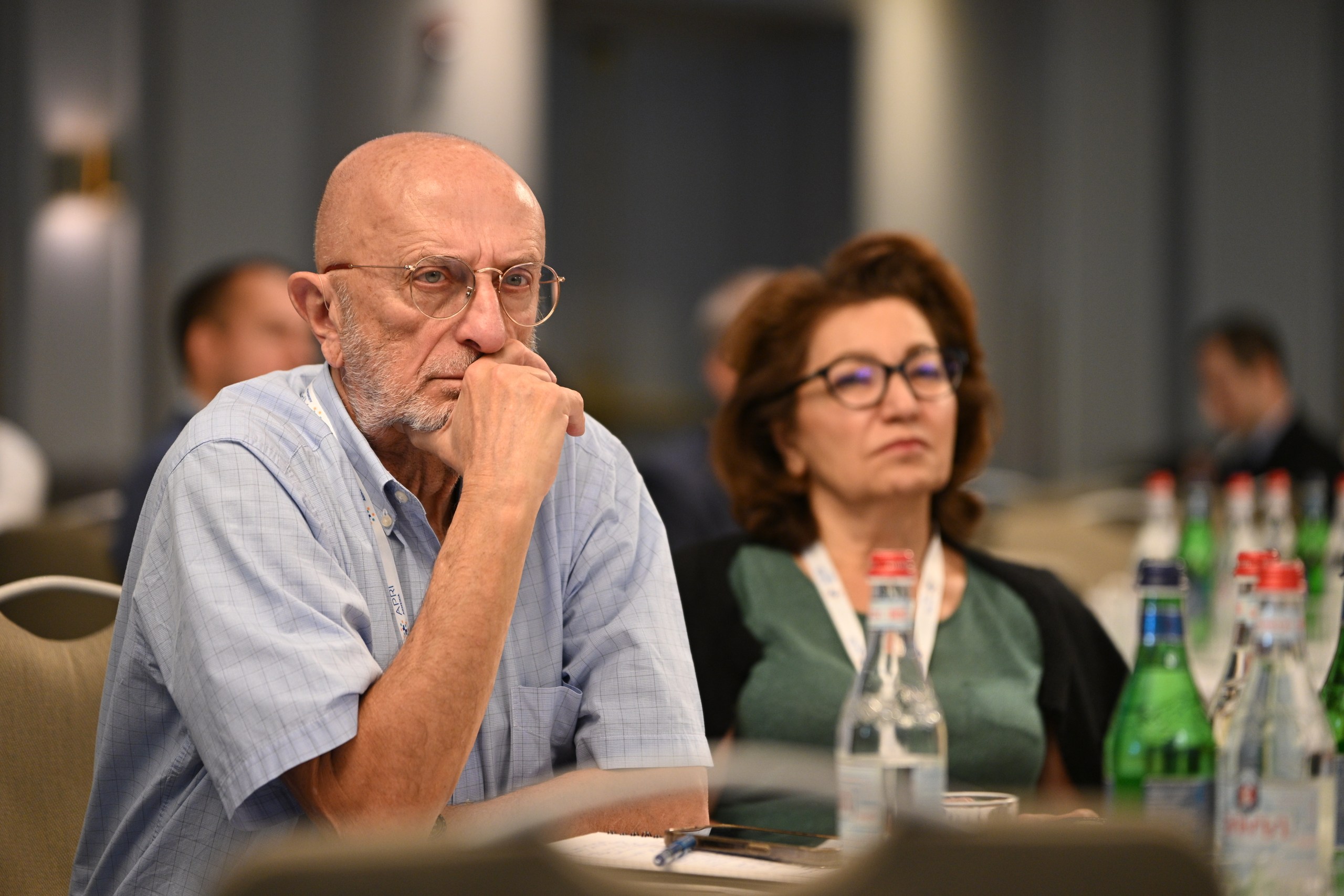
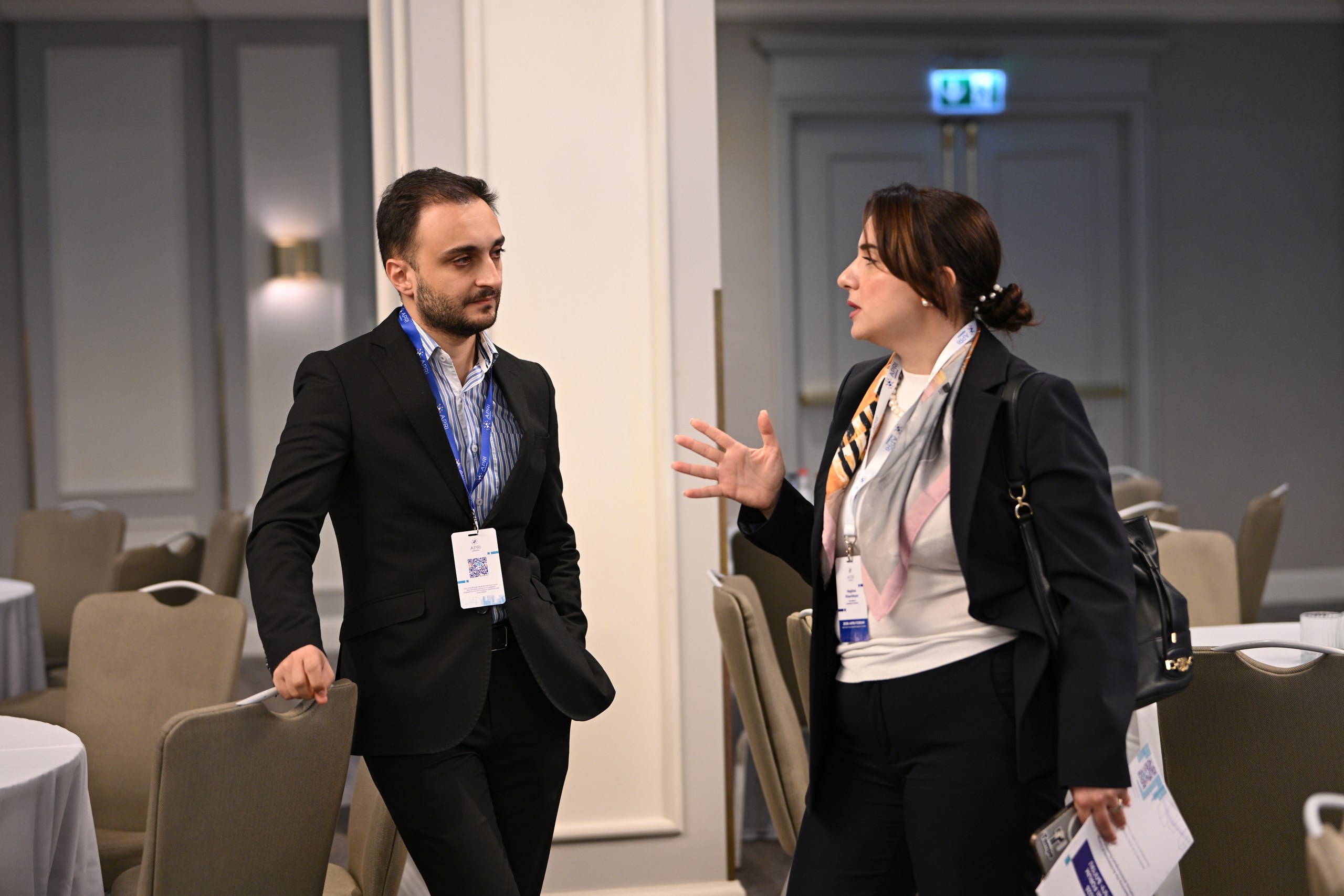
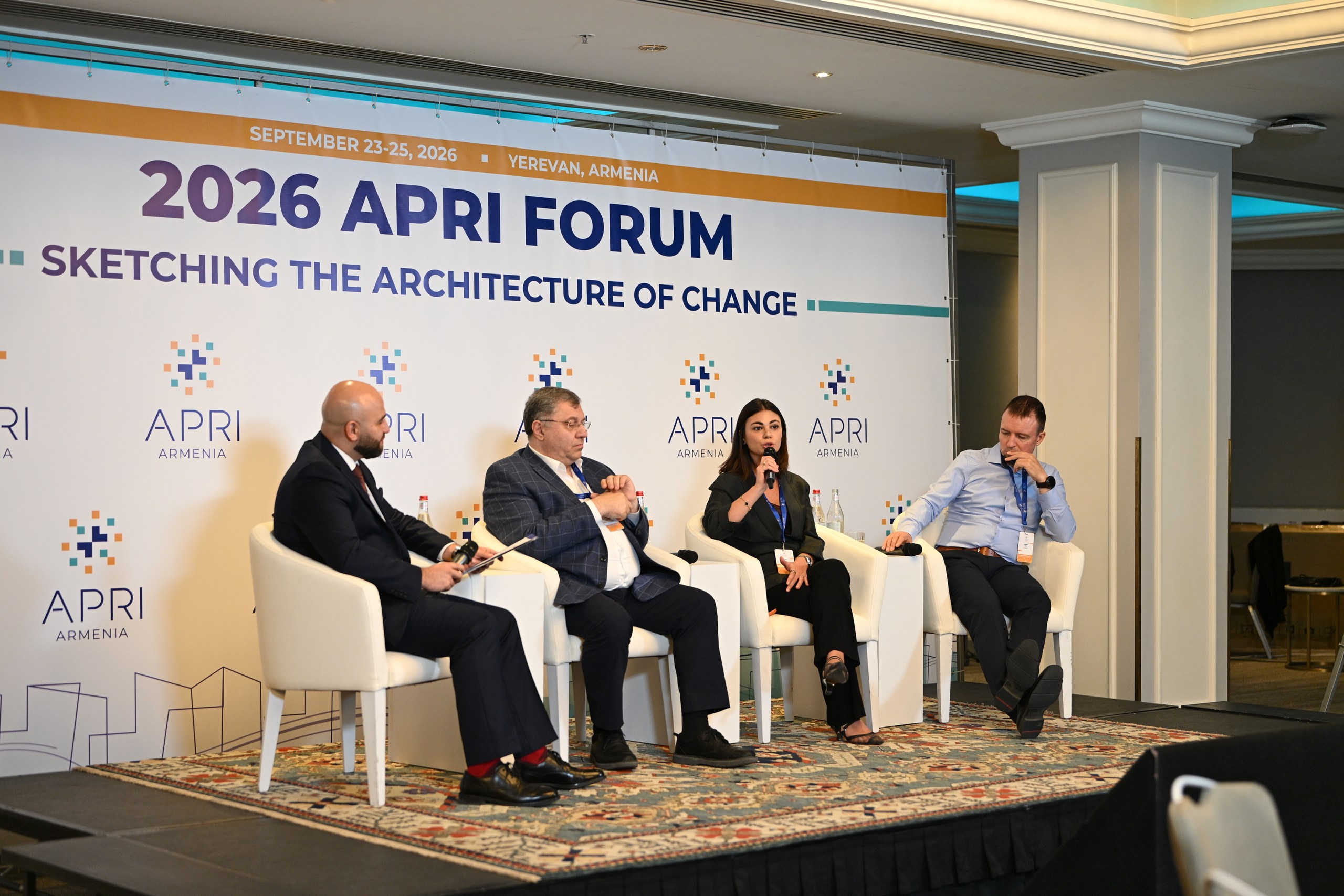
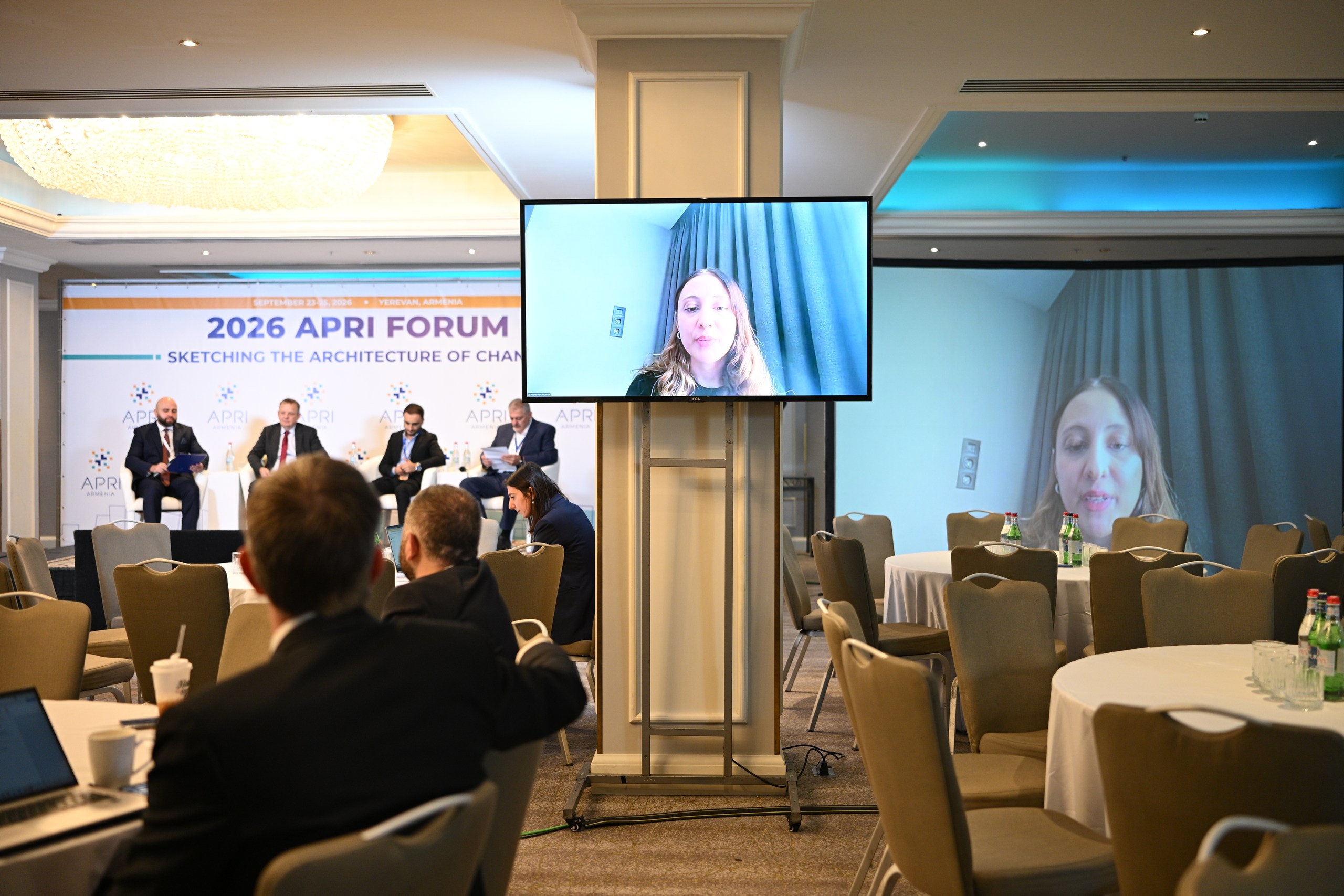
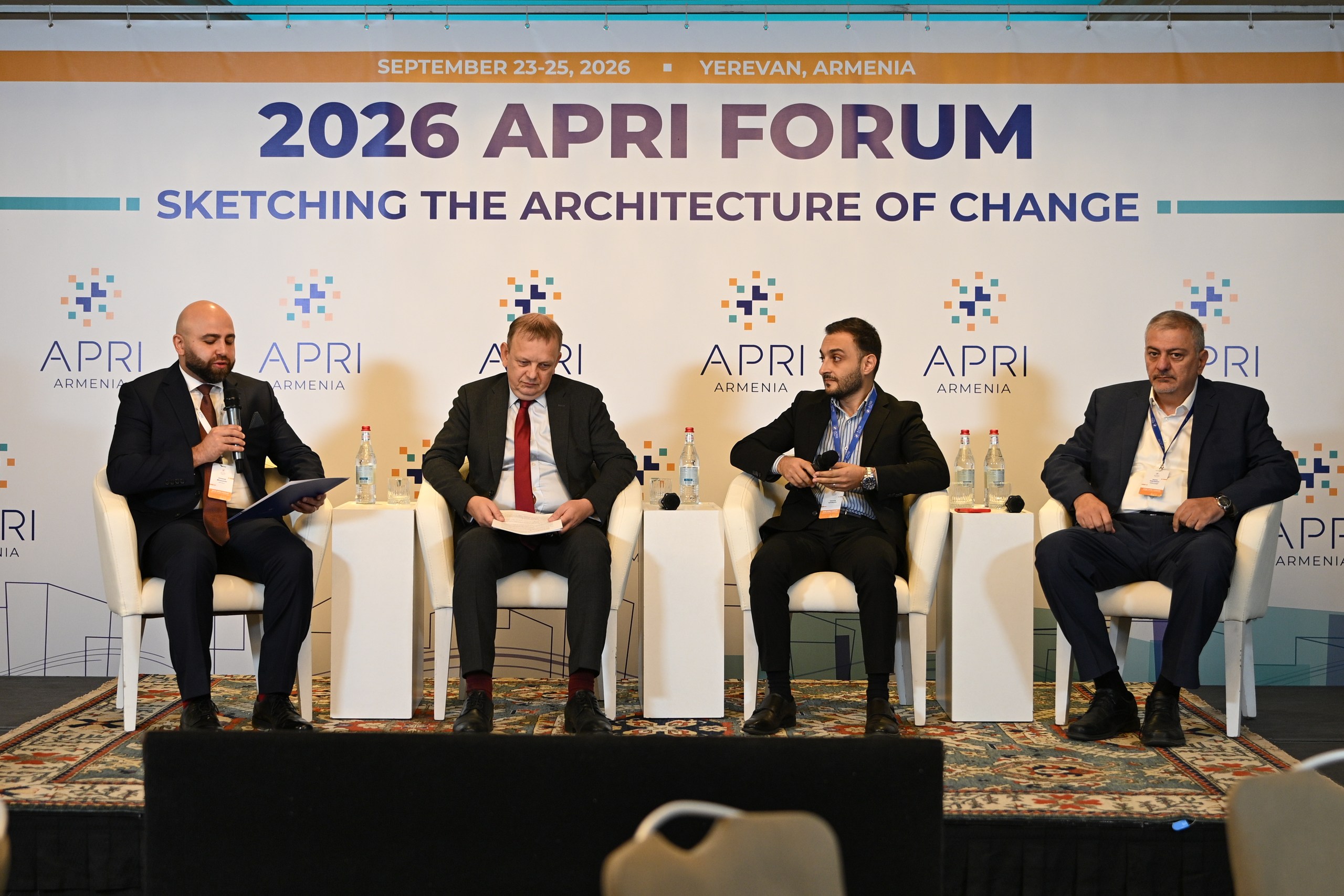
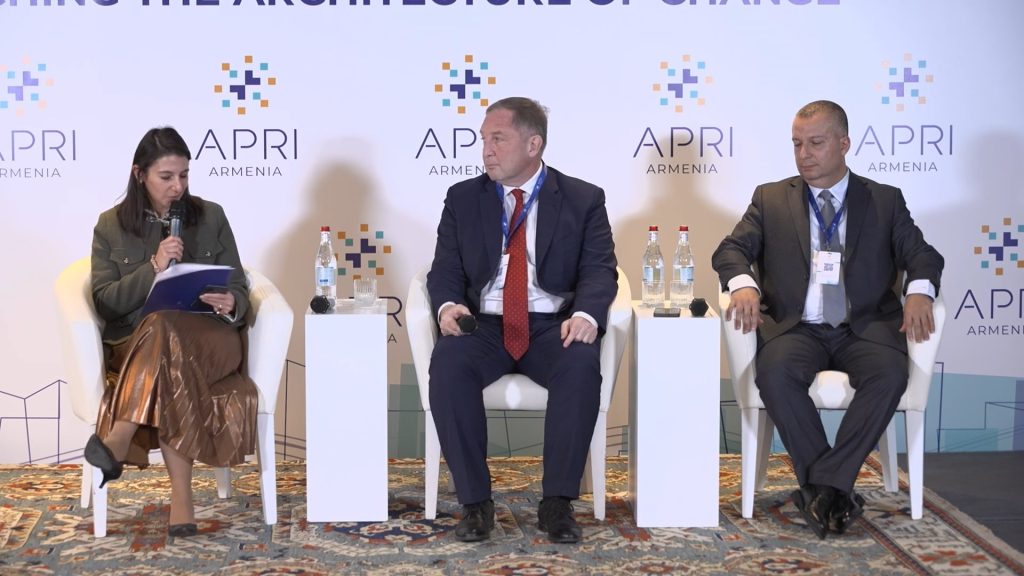
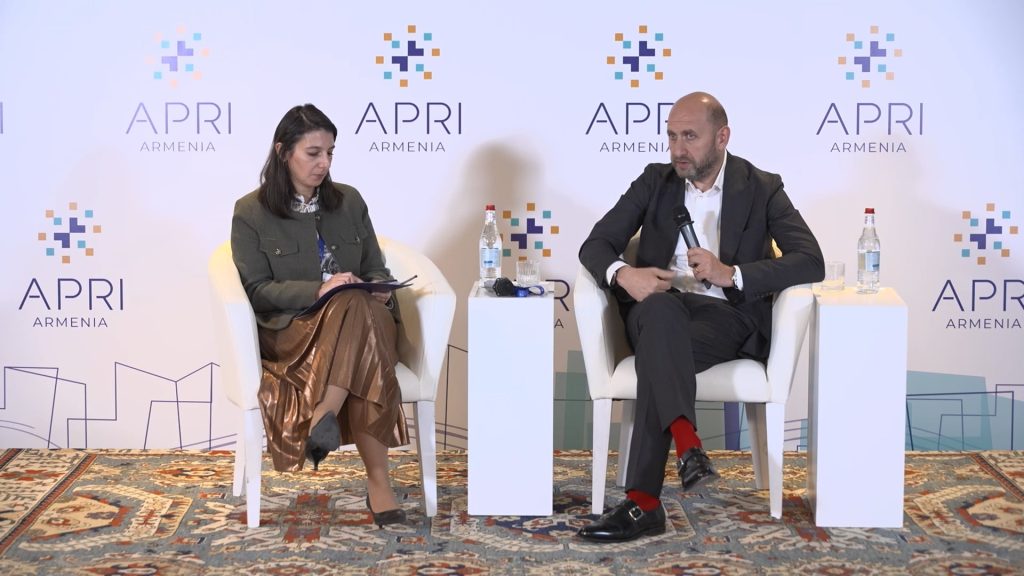
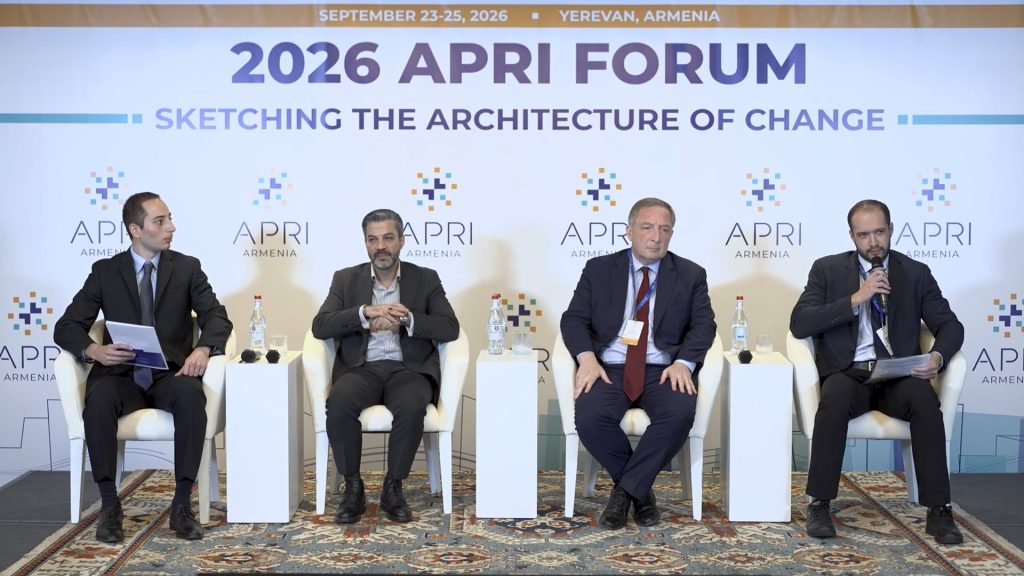
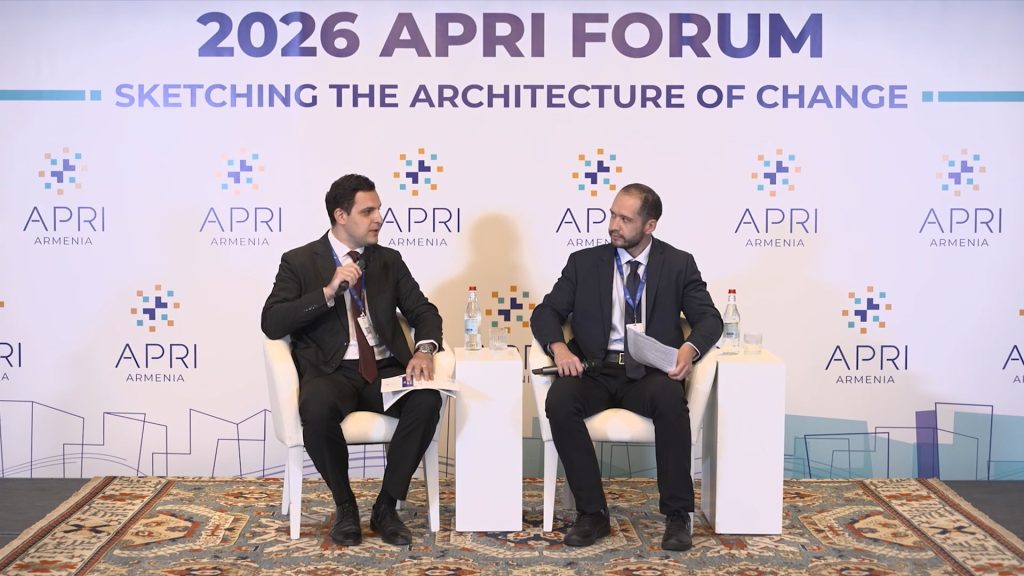
The 2026 APRI Forum brought together policy, diplomatic, private sector, civil society leaders and engaged Armenians to investigate the way forward for Armenia in key areas of development. The program featured multidisciplinary discussions and in-depth keynote sessions with officials and foreign guests throughout the three days.
Forum Agenda
09:25
Welcome and Opening Remarks
- Anahide Pilibossian, Vice President, Strategy and Development, APRI Armenia
09:30
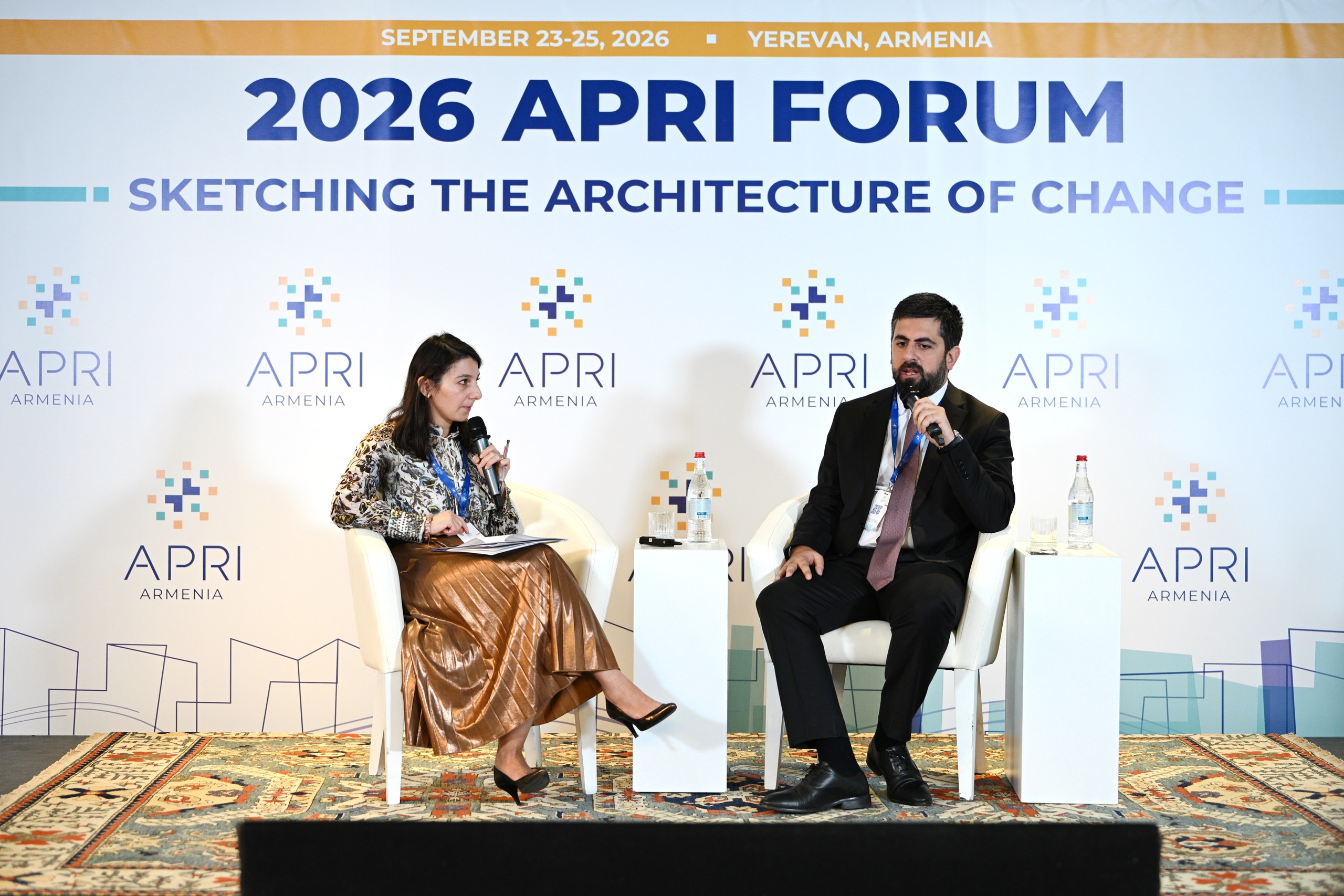
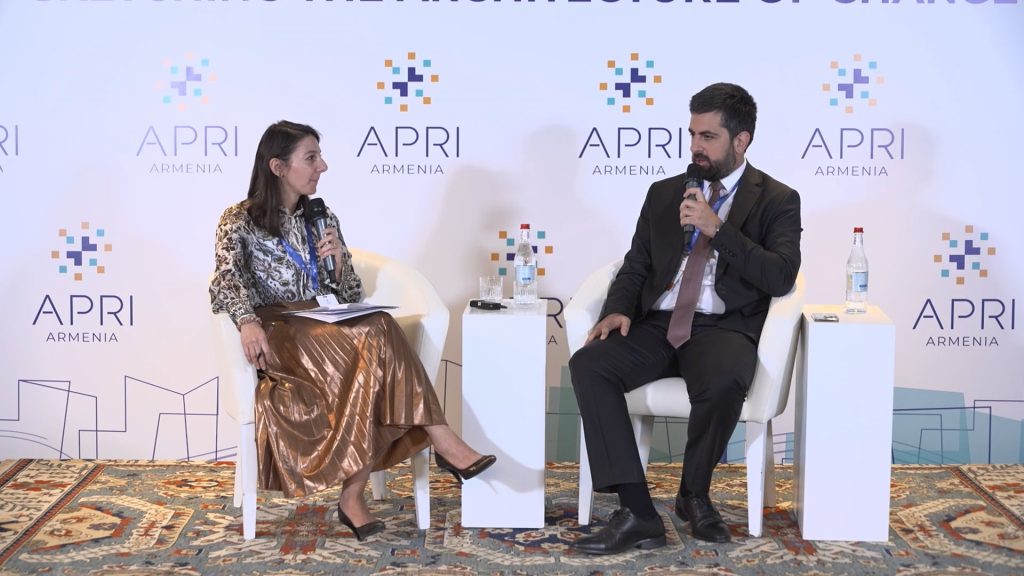
Parliamentary Diplomacy in a Changing World: Armenia’s New Foreign Policy Benchmarks (Session in Armenian)
How does the legislative body contribute to establishing new partnership ties and re-envisioning traditional relations? In the context of rapidly changing geopolitical realities, what are the main benchmarks of the Republic of Armenia’s parliamentary diplomacy? In a conversation with Sargis Khandanyan, Chair of the Standing Committee on Foreign Relations of the Armenian National Assembly, we will address these issues to examine Armenia’s foreign policy priorities amid global and regional challenges and opportunities.
- Sargis Khandanyan, Chair, Standing Committee on Foreign Relations, National Assembly of the Republic of Armenia
- Moderator: Anahide Pilibossian, Vice President, Strategy and Development, APRI Armenia
10:00
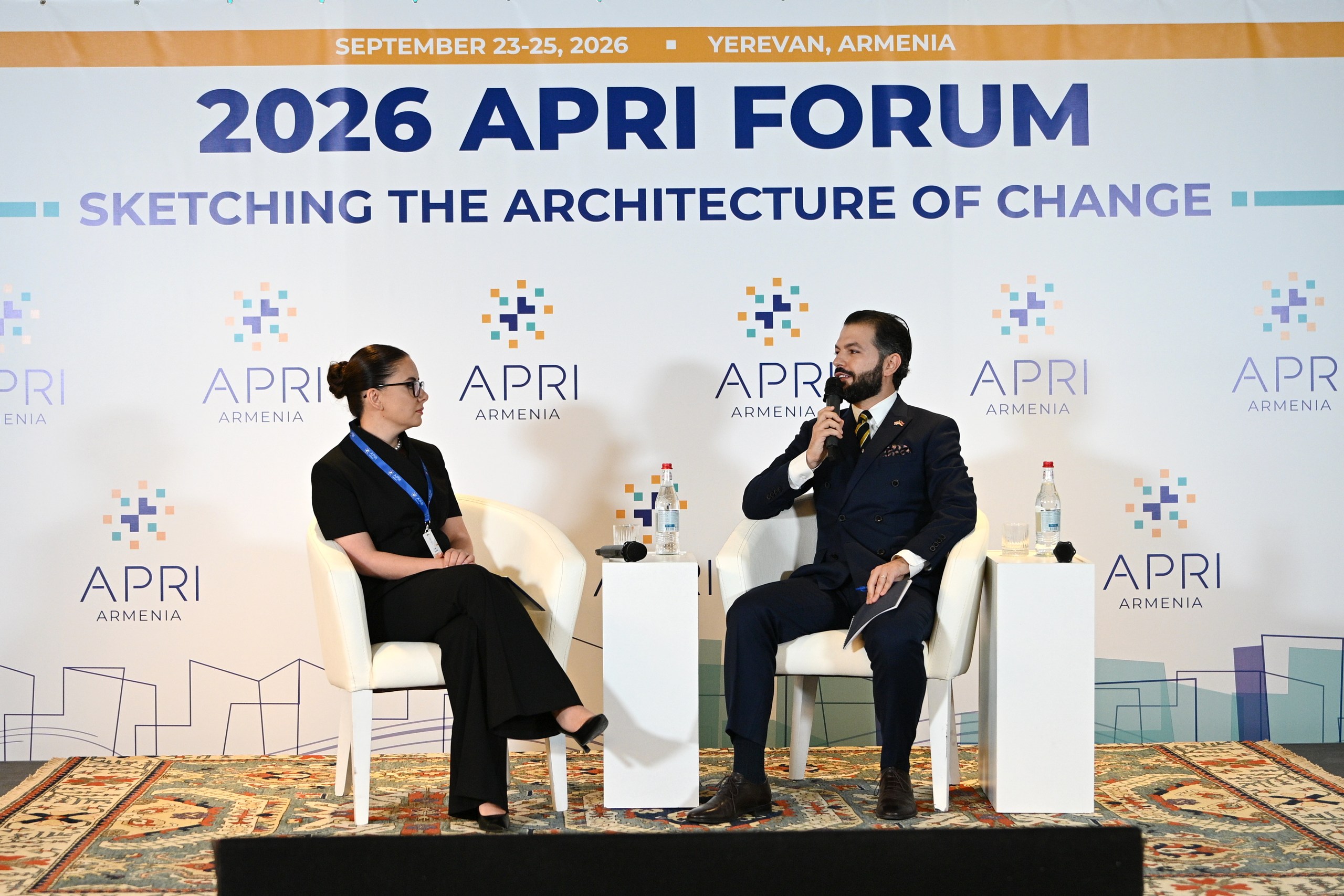
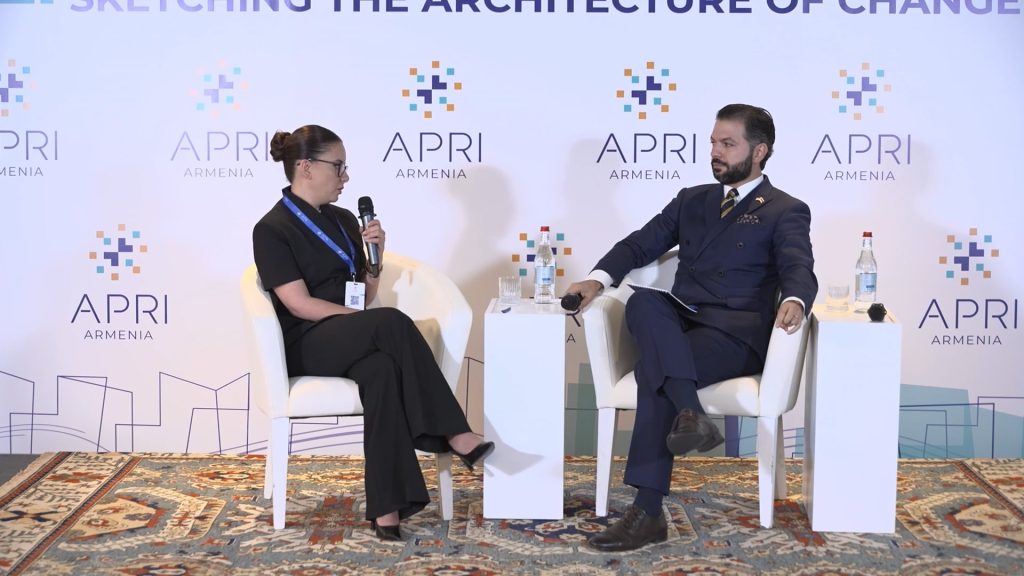
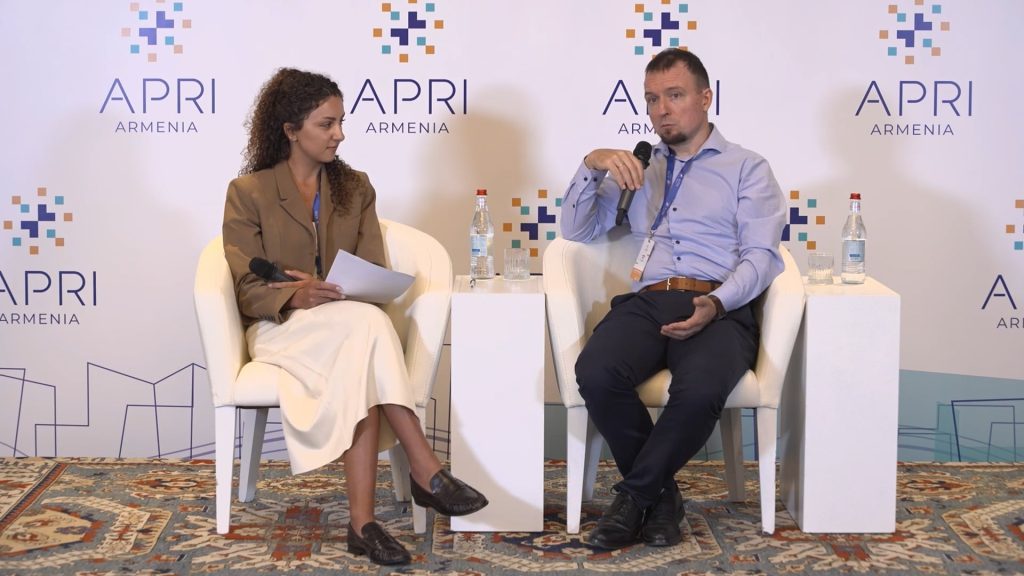
Armenia–US Relations 3.0
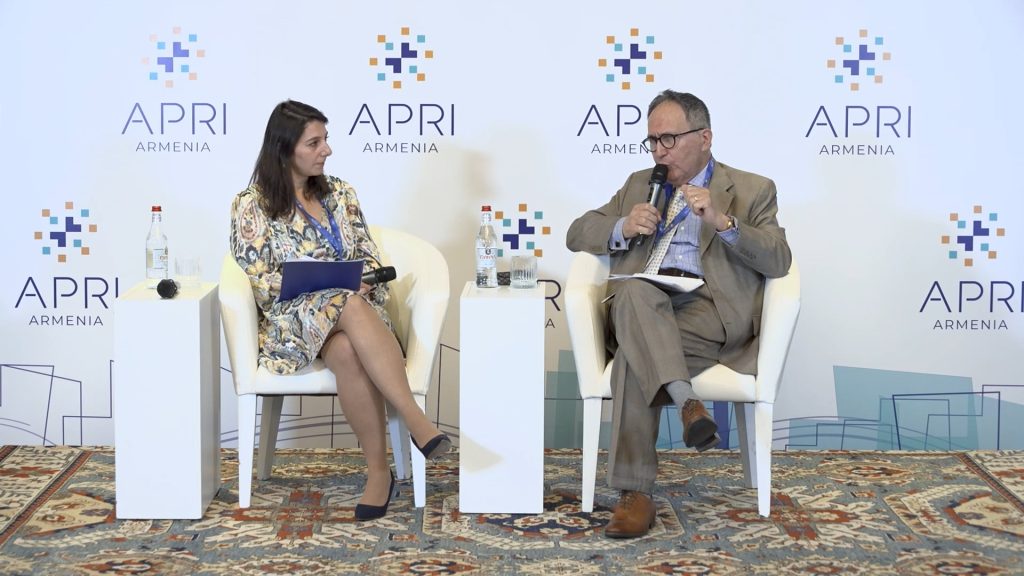
Armenia–US relations have reached a new level, entering a particularly dynamic phase in 2025. What Armenia, a small and remote South Caucasus country, has achieved in furthering its partnership with the US in a short time is notable. In this fireside chat, two Armenian thinkers with years of engagement in advancing Armenia–US relations will reflect on efforts to consolidate recent gains and explore a timely question: where does the partnership go from here?
- Luiza Ayvazyan, Head of Office, Center for International Private Enterprise (Armenia)
- Moderator: Armen Sahakyan, Country Director, Armenian Assembly of America
10:30
Armenia and Iran: Morphing Relations in a Changing Strategic Environment
The ongoing Iran–US–Israel war has reshaped the Middle East. For the South Caucasus in general, and Armenia in particular, the conflict raises questions about the risk of spillover, the feasibility of regional connectivity projects currently under development, and how to navigate Great Power competition. The session will examine Iran’s strategy toward the South Caucasus and the future of Armenia–Iran relations, as the two countries continue to expand economic, energy, and diplomatic cooperation.
- Alireza Khoda Gholipour, Director-General, Center for Political and International Studies (IPIS)
- Ambassador Khalil Shirgholami, Ambassador Extraordinary and Plenipotentiary of the Islamic Republic of Iran to Armenia
- Moderator: Sergei Melkonian, Research Fellow, APRI Armenia
11:00
Coffee Break
11:30
Armenia–Russia Relations: Looking for a Modus Vivendi
Amid the growing Russia–West confrontation, Armenia is pursuing Western-focused diversification of its foreign relations, expanding relations with both longstanding and new partners while seeking a safe and constructive transformation of its relations with Moscow. Yerevan’s expanding relations with Washington and particularly with Brussels are viewed negatively by Moscow and have led to economic restrictions on segments of Armenia’s trade. But a new modus vivendi is necessary for both countries to move forward. What can the two countries achieve? What should the new configuration of the relationship look like, considering the changing geopolitical environment, past relations, and geography?
- Andrey Kortunov, Former Director General and Academic Director, Russian International Affairs Council (RIAC)
- Moderator: Sergei Melkonian, Research Fellow, APRI Armenia
12:00
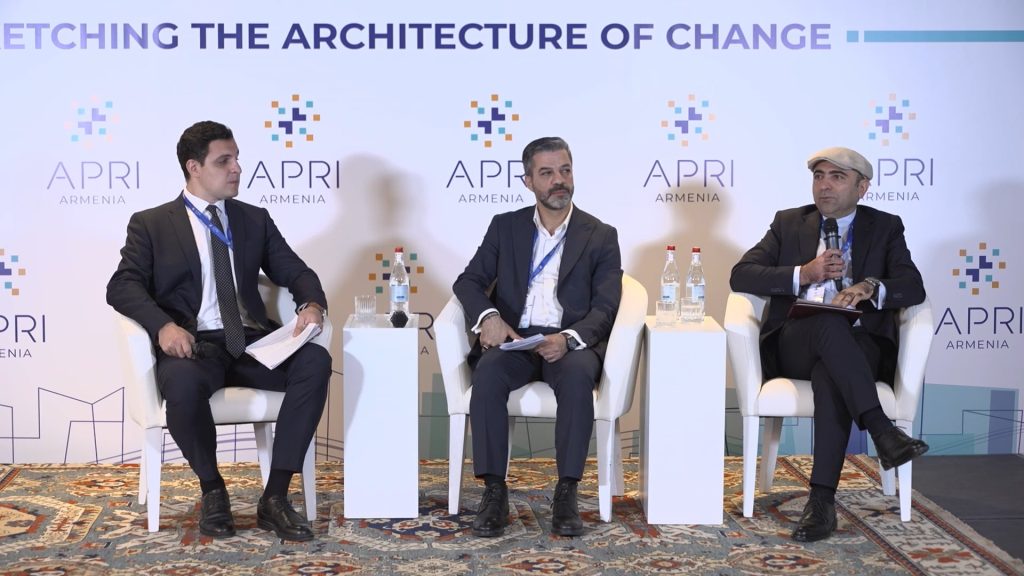
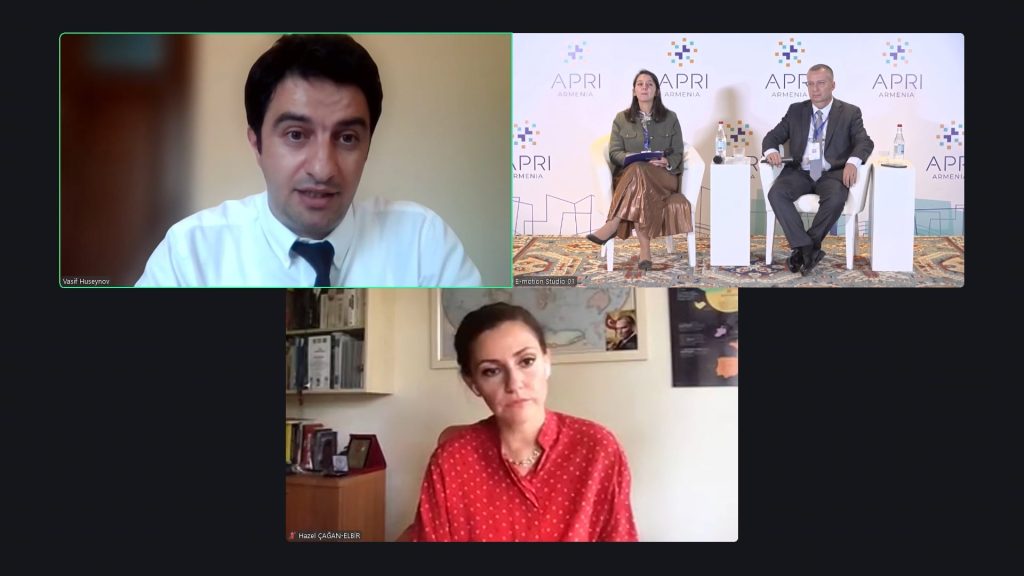
The Armenia–Azerbaijan–Türkiye Triangle: Breaking the Impasse
Consolidating peace with Azerbaijan, normalizing relations with Türkiye, and unblocking regional communications remain central to Armenia’s foreign policy agenda and to the region’s peaceful future. Yet the momentum generated by the 2025 Washington Summit has slowed, amid Azerbaijan’s insistence on constitutional amendments as a precondition for signing the peace agreement, and Türkiye’s continued linkage of normalization with Armenia to progress in Armenia–Azerbaijan relations. Between Baku’s precondition and Ankara’s Baku-first policy, is there a way to break the circle and bring lasting stability and security to the South Caucasus? And if not, what does the future look like?
- Hazel Çağan Elbir, Analyst, Center for Eurasian Studies (AVİM) (Zoom)
- Vasif Huseynov, Head of Department, Center for Analysis of International Relations and Multiculturalism (AIR Center) (Zoom)
- Benyamin Poghosyan, Senior Research Fellow, APRI Armenia
- Moderator: Anahide Pilibossian, Vice President, Strategy and Development, APRI Armenia
12:45
Strengthening Agency for the South Caucasus Countries Amid Great Power Competition
Since the collapse of the Soviet Union, the South Caucasus has been a theater of geopolitical and geoeconomic rivalry among multiple external powers. Ethnopolitical conflicts and the differing foreign-policy orientations of Armenia, Georgia, and Azerbaijan have contributed to a deeply fragmented region. Today, the South Caucasus is undergoing unprecedented change amid a profound transformation of the global order, the weakening of multilateralism, and a renewed emphasis on hard power. How will Armenia, Georgia, and Azerbaijan fare given their complex geography? How can the three countries claim greater agency and play a more decisive role in shaping their own trajectories, rather than being driven by the interests and rivalries of external powers?
- Rusif Huseynov, Director, Topchubashov Center (Zoom)
- Alex Petriashvili, Senior Fellow, Georgian Foundation for Strategic & International Studies (GFSIS)
- Benyamin Poghosyan, Senior Research Fellow, APRI Armenia
- Moderator: Anahide Pilibossian, Vice President, Strategy and Development, APRI Armenia
13:30
Networking Lunch
14:15
Armenia’s Economic Resilience in an Era of Geopolitical Uncertainties (Session in Armenian)
In the context of rapidly changing geopolitical realities and global financial fluctuations, ensuring economic resilience and swiftly responding to newly emerging challenges have become key prerequisites for Armenia’s steady development. In his keynote speech, Martin Galstyan, Governor of the Central Bank of Armenia, will address ways to ensure the stability of the country’s economic system, mechanisms for absorbing external shocks, and long-term perspectives on economic growth, sketching the foundation of our economic future.
- Martin Galstyan, Governor, Central Bank of Armenia
- Moderator: Anahide Pilibossian, Vice President, Strategy and Development, APRI Armenia
14:45
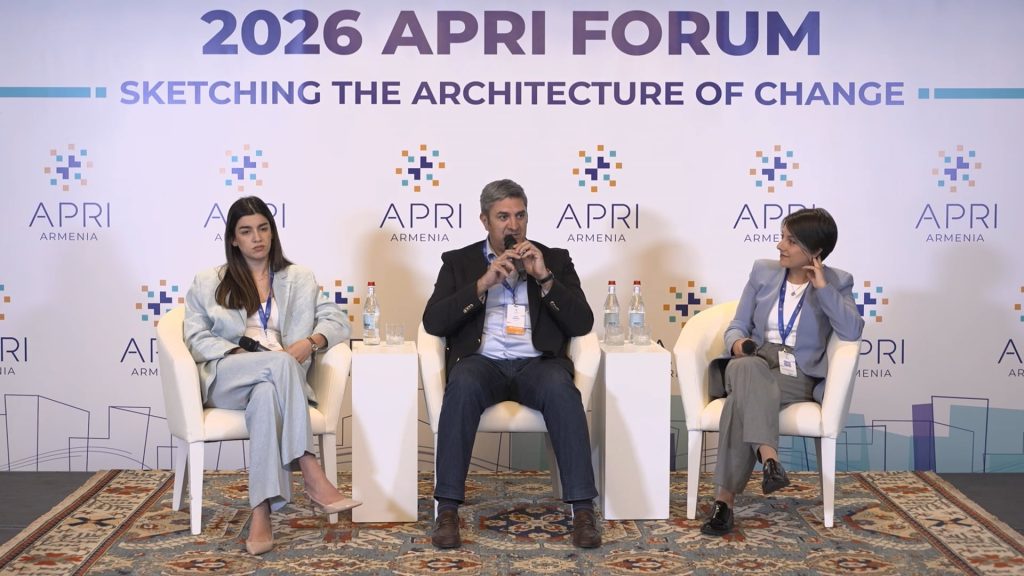
Defining and Driving Armenia’s Economic Security (Session in Armenian)
The Washington Peace Summit gave Armenia new momentum for economic development by promoting foreign direct investment and fostering economic empowerment. At the same time, it posed fundamental questions about the future of industries operating in Armenia and their alignment with Armenia’s long-term national interests, as laid out in the government’s Doctrine published in January 2026. This cross-industry panel will bring together speakers to discuss how their respective sectors can contribute to strengthening Armenia’s economic security.
- Hakob Avagyan, President, SME Cooperation Association
- Vardan Jhanyan, First Deputy General Director, Zangezur Copper Molybdenum Combine (ZCMC)
- Bakur Melkonyan, Co-founder, Art Lunch LLC
- Moderator: Eduard Mkrtchyan, Vice President, Operations, APRI Armenia
15:30
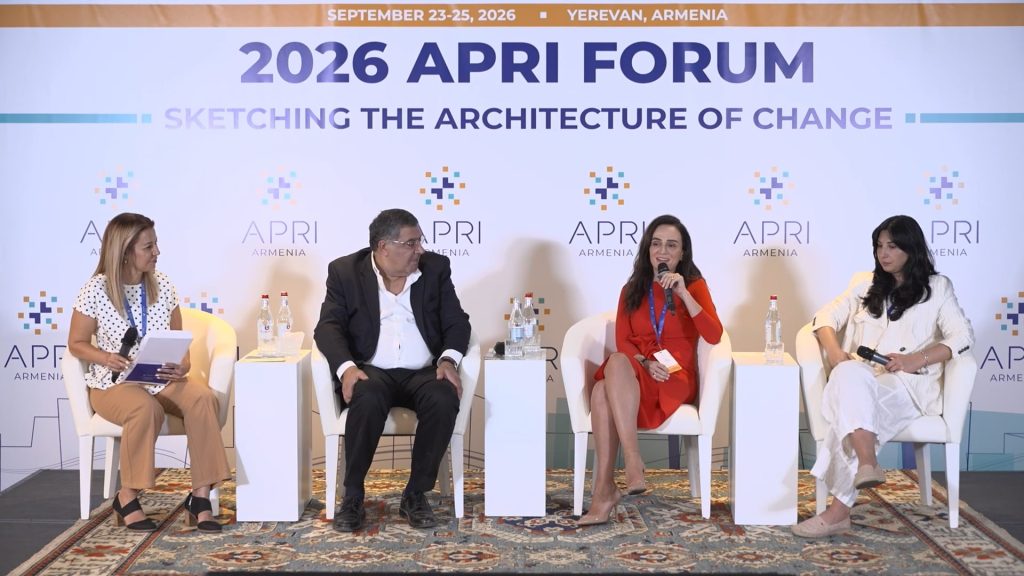
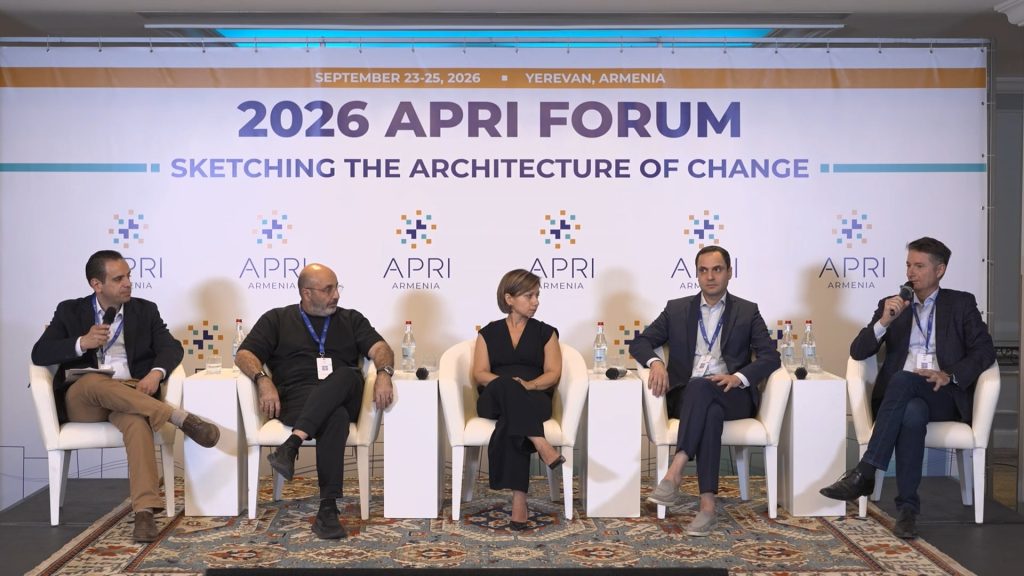
Growing our Talent, Trees, and Civic Space
Talent, trees, and civic spaces take time to grow, and their results often become visible only years after the seeds are planted. Yet patiently nurturing talent, creating spaces, building communities, and developing infrastructure are essential to Armenia’s prosperous future. This session is about the patient side of building a country: raising skilled people, greening our cities, and creating public spaces. It is about how investment in people, sustainability, urban development, and innovation can work together to create an environment in which talent can grow, communities can connect, and civic life can flourish—and what it takes to keep doing so in a fast-changing and uncertain world.
- Vanane Ararktsyan, Executive Director, Keron Development Foundation
- Katerina Danekina, Chief Executive Officer, Green Rock
- Aram Salatian, Chairman of Board, Engineering Association
- Moderator: Seda Arzumanyan, Vice President, Donor Relations, APRI Armenia
16:15
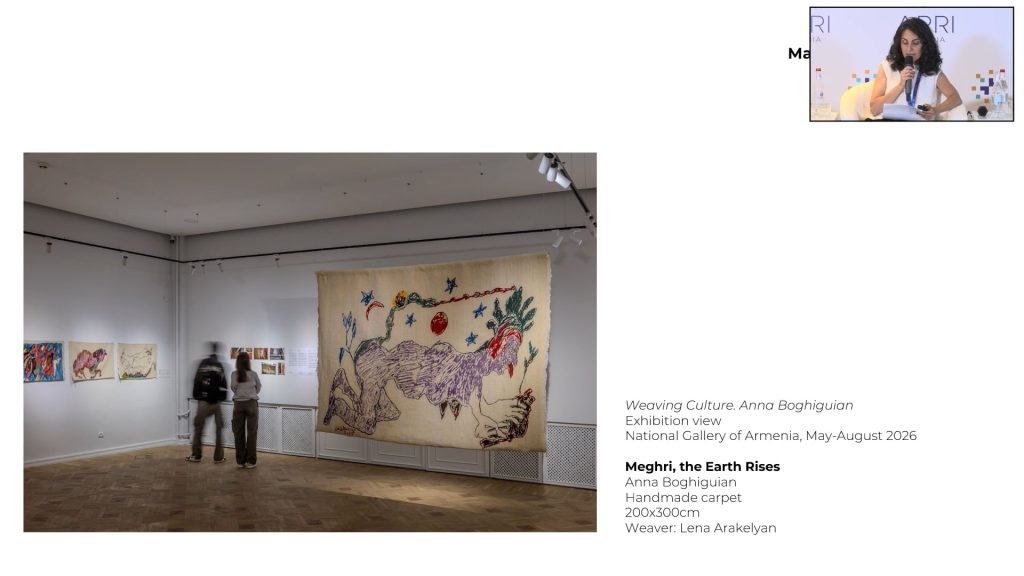
Reading the Waterscape of Araks: When Borders Become Bridges
Borders are often seen as lines that separate us. But what if they could instead become spaces of connection? Art, architecture, ecology, and landscape can shape how we experience borders: as barriers or shared spaces. Shifting our outlook on spaces can open new possibilities for bringing people and communities closer, helping us sketch new possibilities for the future in Armenia and the region. Nairi Khatchadourian revisits her talk “Sharing a River, or the Poetics of Relation” and its vision of a bridge connecting Armenia and Iran along the Araks River, in light of the 2026 APRI Forum.
- Nairi Khatchadourian, Founding Director, Curator, AHA collective
16:30
Coffee Break
16:45
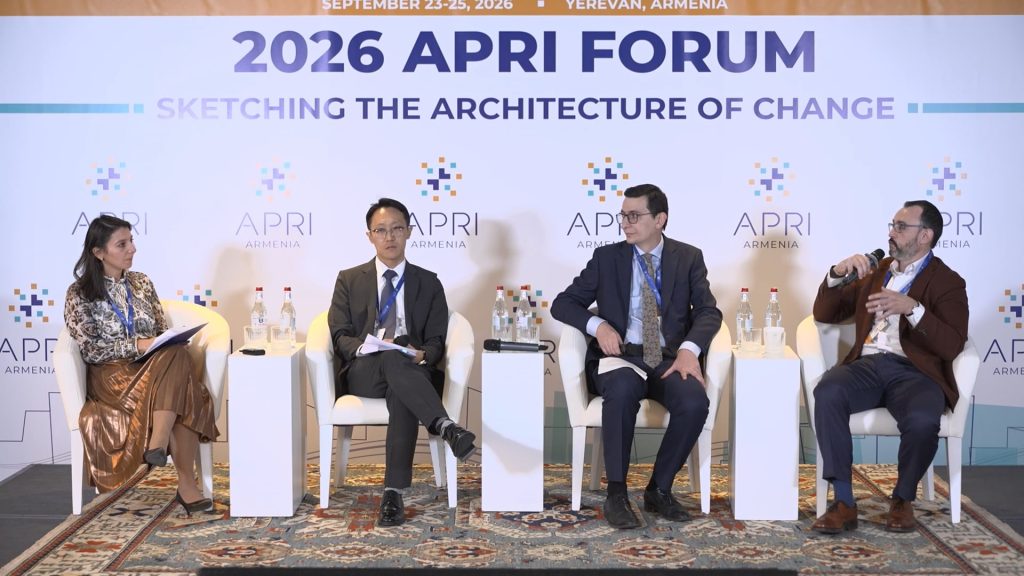
Global Defense Reindustrialization: The Role of Small States and Firms
Growing security challenges are driving countries worldwide to expand defense production, strengthen supply chains, and accelerate innovation. These efforts are not limited to major powers or large defense companies. Smaller states and specialized firms can also contribute through niche manufacturing, software, maintenance, testing, and AI-enabled, autonomous, and data-driven systems. Drawing on lessons from Ukraine, South Korea, and Armenia, the panel will explore how smaller defense industries can identify competitive niches, overcome barriers to finance, procurement, and market access, and become credible partners in broader defense ecosystems.
- Yeongkyun Jang, Senior Researcher, Korea AI Safety Institute
- Michael Kofman, Senior Fellow, Carnegie Endowment
- Leonid Nersisyan, Senior Advisor, APRI Armenia
- Moderator: Anahide Pilibossian, Vice President, Strategy and Development, APRI Armenia
17:30
Rethinking Modern War: Ukraine’s Lessons and Their Limits
The war in Ukraine has accelerated the use of drones, AI, electronic warfare, and digital command systems, prompting claims that traditional military power is becoming obsolete. Yet artillery, armor, infantry, logistics, and industrial capacity remain central to the conflict. This discussion will examine which technologies have genuinely transformed warfare, which fundamentals endure, and how innovation interacts with training, doctrine, and organization. Drawing on Ukraine’s experience, it will also explore how Armenia can distinguish transferable lessons from context-specific developments and modernize its armed forces without chasing technological hype.
- Michael Kofman, Senior Fellow, Carnegie Endowment
- Moderator: Leonid Nersisyan, Senior Advisor, APRI Armenia
9:30
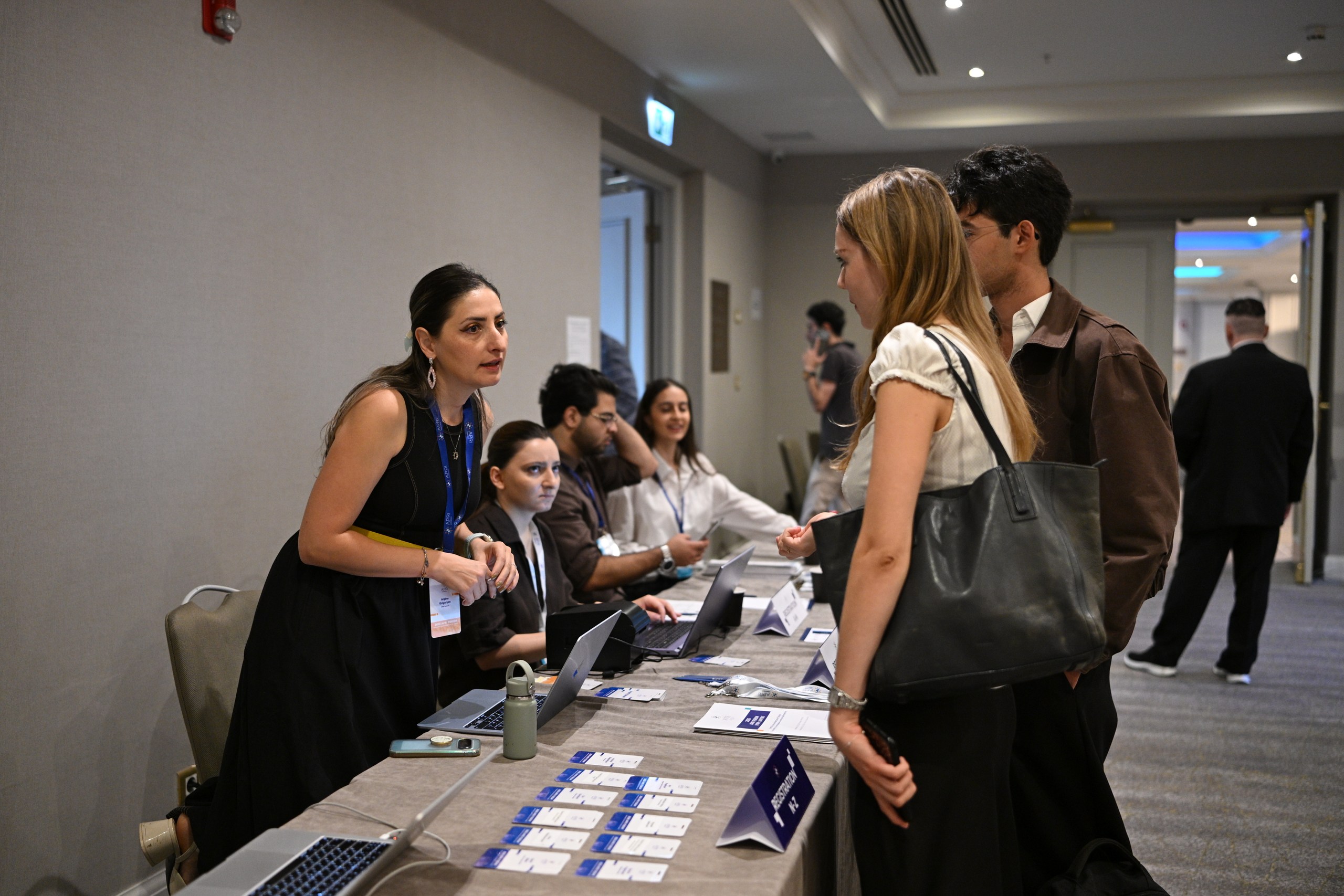
Registration
10:00
A Deep Dive into the World Bank Group’s Efforts on Regional Connectivity
The World Bank Group has worked extensively since 2023 to assess the potential and support the realization of the Trans-Caspian International Transport Route (Middle Corridor), which is posited as a strategic trade route linking Asia and Europe. Its Armenia office has been involved in Armenia’s own connectivity efforts, both inside and outside the Crossroad of Peace project. This fireside chat will shed light on the Group’s multifaceted activities in the broader region and locally to help enhance connectivity.
- Nora Mirzoyan, Urban Specialist, World Bank Group
- Moderator: Anahide Pilibossian, Vice President, Strategy and Development, APRI Armenia
10:30
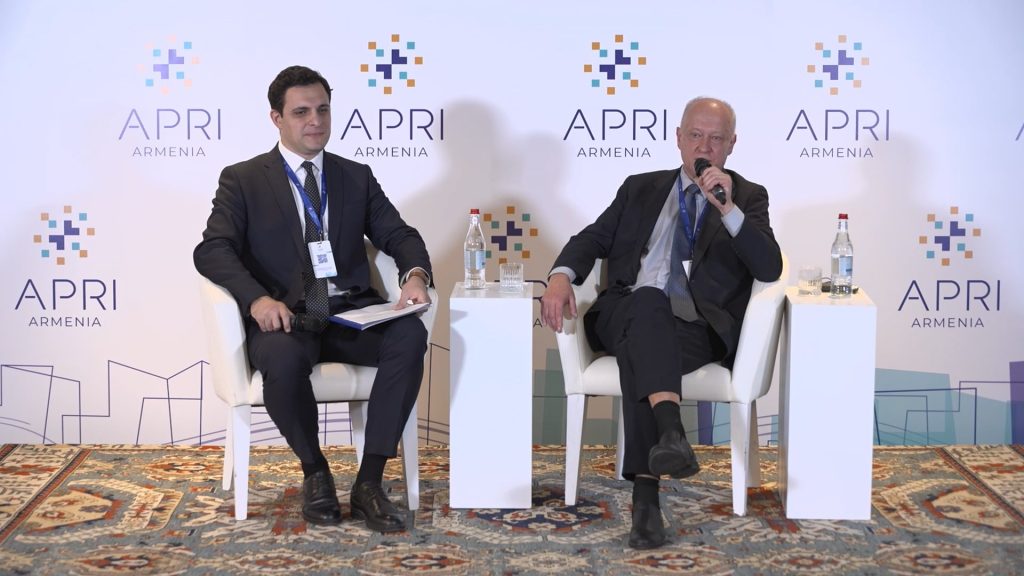
Understanding the EU to Understand Our Future with the EU
2026 has been a landmark year for EU–Armenia relations, starting from the signing of the Strategic Partnership Agenda in December 2025 and continuing with the EU–Armenia bilateral Summit in May 2026 and the launch of the EU Partnership Mission in July. Political will on both sides has driven these achievements, along with broader geopolitical developments affecting regional stability and prosperity. In this fireside chat, Ambassador Delcorde will reflect on the evolving nature of the European project and opportunities for further expanding Yerevan’s relations with Brussels.
- Ambassador Raoul Delcorde, Ambassador (Ret.), Ministry of Foreign Affairs of Belgium
- Moderator: Anahide Pilibossian, Vice President, Strategy and Development, APRI Armenia
11:00
Bridging Disconnections: The South Caucasus and the New Logistics of Eurasia
Growing geopolitical rivalries, the disruption of supply chains, and the need for economic resilience and diversification have made connectivity a critical feature of the emerging global order. The South Caucasus, a crossroads of East–West and North–South transit routes, is one of the active theaters where these dynamics are playing out. This session will discuss what needs to happen in the South Caucasus for it to facilitate connections between Central Asia, the Middle East, and Europe.
- Alisher Abdreshev, Lead Expert, Department of European and American Studies, Kazakhstan Institute for Strategic Studies (KazISS)
- Alireza Khoda Gholipour, Director-General, Center for Political and International Studies (IPIS)
- Alex Petriashvili, Senior Fellow, Georgian Foundation for Strategic & International Studies (GFSIS)
- Mühdan Sağlam, Director, Energy and Climate Change Studies Center, TEPAV (Zoom)
- Moderator: Shant Arzoumanian, Macroeconomist, Central Bank of Armenia
11:45
Coffee Break
12:15
Armenia–Kazakhstan Partnership: Weaving the South Caucasus and Central Asia Together
Armenia–Kazakhstan relations are expanding through political and diplomatic engagement, but economic ties and connectivity between the two countries remain relatively limited. At a time when Central Asia is gaining greater strategic importance, this creates new opportunities for Armenia to diversify its foreign policy and economic ties. The session will examine the future of Armenia–Kazakhstan relations and the potential for deeper cooperation between the South Caucasus and Central Asia in trade, connectivity, investment, technology, and regional diplomacy.
- Alisher Abdreshev, Lead Expert, Department of European and American Studies, Kazakhstan Institute for Strategic Studies (KazISS)
- Moderator: Sergei Melkonian, Research Fellow, APRI Armenia
12:35
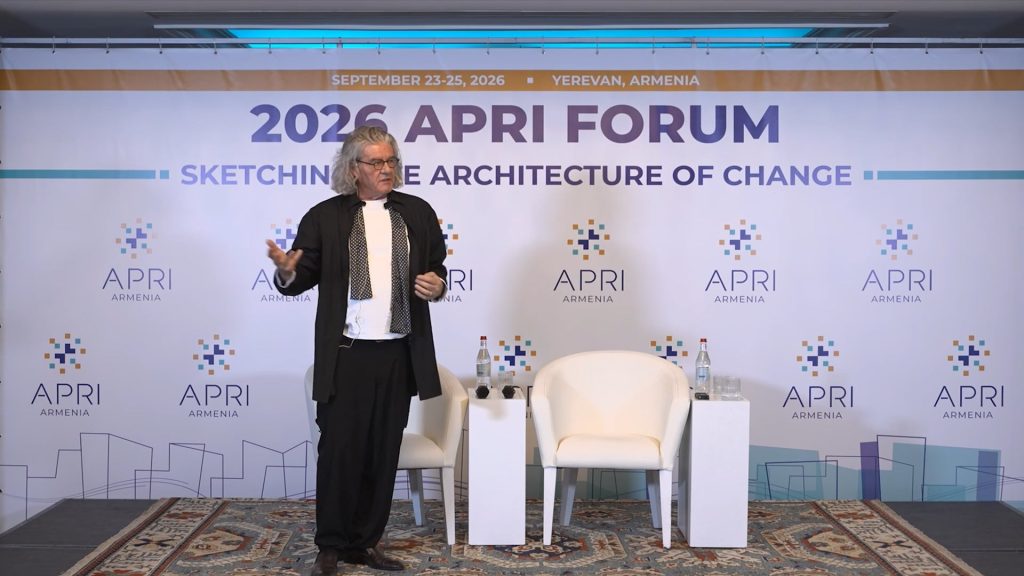
Sculpting the Void
Sculpting the Void explores architecture as the making of shared space rather than simply built mass, the creation of a place where people gather, belong, and recognize themselves. From the early Armenian churches of the Silk Road to projects in London, Doha, and Fez, the lecture traces how hyperlocalism, nature, and culture can shape architecture rooted in place and carried forward through time. It concludes with the idea of a Carbon-Zero Cathedral: architecture conceived across generations, where knowledge, craft, and responsibility are passed on to protect our shared home.
- Michel Mossessian, Founder and Creative Director, Mossessian Architecture Ltd.
13:15
Networking Lunch
14:15
Beyond the Headlines: What Do AI Factories Bring to Armenia?
The establishment of Firebird’s flagship AI factory in August 2026 in Hrazdan, followed by the Eleveight AI factory operating in Gagarin, has been a breakthrough moment for Armenia’s economic development. These big investments come with the promise of a more prosperous future for Armenia’s technology sector and society at large. This intersectional panel will debate what these factories can bring to Armenia—from technological, environmental, and social perspectives—as well as the challenges that must be addressed to realize their full potential. The discussion will help the audience gain a broader, more holistic understanding of the implications of AI factories for Armenia and Armenians.
- Tigran Jrbashyan, Partner, Director of Management Advisory Services, Ameria CJSC
- Raffi Kassarjian, Senior Director, Software Development and Site Lead, Armenia AMD
- Irina Seylanyan, Chief Executive Officer, Afeyan Initiatives for Armenia
- Tigran Tshorokhyan, Innovation and Sustainable Finance Portfolio Manager, UNDP Armenia
- Moderator: Nazareth Seferian, Interim Chief Executive Officer, Impact Hub Yerevan
15:00
Backing Up the State: Data Embassies and Digital Resilience
Digital embassies offer an emerging model for extending sovereign digital infrastructure beyond national borders while maintaining control over critical data, digital services, and governance arrangements. Estonia pioneered this approach in 2017 by establishing the world’s first data embassy in Luxembourg, which securely hosts real-time backups of the country’s most critical digital services and state registries. This panel will explore whether data embassies can strengthen digital sovereignty, institutional resilience, and continuity of public services in an increasingly uncertain security environment. It will also examine the political, legal, technical, and operational safeguards required to make such arrangements viable.
- Andres Kütt, Chief Technology Officer, Proud Engineers
- Moderator: Anahit Budaghyan, Tech Diplomacy Advocate
15:30
Why Armenia? Building a Competitive Technology Nation | A panel in partnership with UATE (Session in Armenian)
Overcoming its small size and structural constraints, and leveraging both its engineering Soviet past and diasporans working in Silicon Valley, Armenia has built a well respected ecosystem of high-tech engineering talent and able technicians. That ecosystem is transitioning from a services-based model toward a more product- and innovation-driven one in line with global shifts driven by artificial intelligence. This raises questions about Armenia’s positioning in the tech landscape. What is distinctly Armenian in high tech? What makes our talent and firms globally competitive? How can the current trajectory be converted into sustained competitiveness, economic value creation, and diplomatic leverage for the country at large? This eminent panel will address these questions and explore the elements of a strategic national vision for building a competitive technology nation.
- Armen Kocharyan, CEO & Founder, Spark.work
- Syuzanna Shamakhyan, Executive Director, Foundation for Armenian Science & Technology (FAST)
- Moderator: Edita Ghazaryan, Executive Director, Union of Advanced Technology Enterprises (UATE)
16:15
Coffee Break
16:45
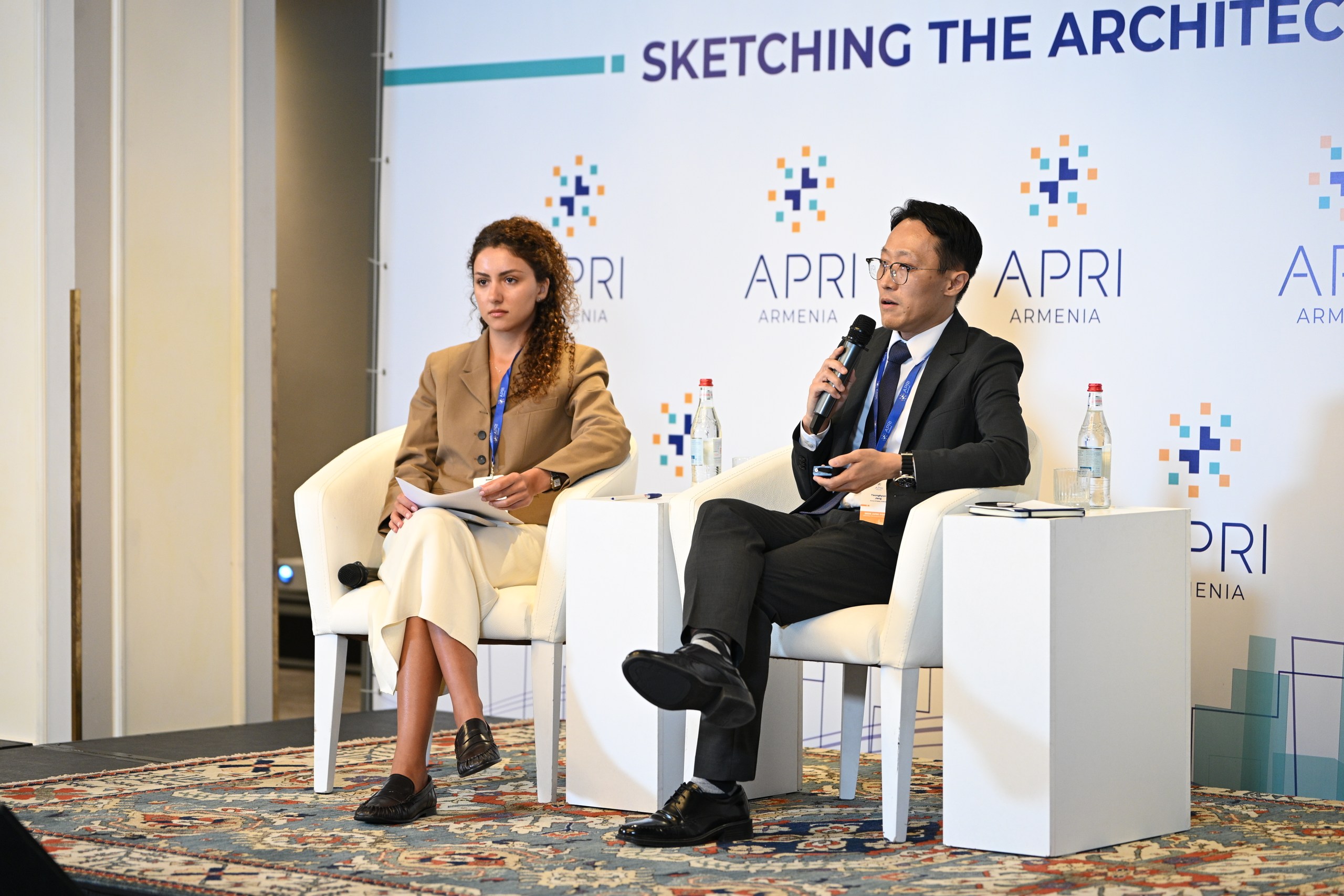
Institutionalizing AI Strategy: The Case of the Korea AI Safety Institute
The Korea Artificial Intelligence Safety Institute represents the Republic of Korea in international partnerships aimed at building global AI governance frameworks. It helps Korean AI companies enhance their global competitiveness while strengthening international cooperation and standards for AI safety. This fireside chat will offer an exclusive window into how the Republic of Korea built and institutionalized its AI strategy through the Korea Artificial Intelligence Safety Institute, and what lessons the Armenian government can draw at a time when it is honing its National High Tech Strategy and seeking to build synergies with its diplomatic endeavors.
- Yeongkyun Jang, Senior Researcher, Korea AI Safety Institute
- Moderator: Anahit Budaghyan, Tech Diplomacy Advocate
17:15
Unleashing the Power of Diaspora–Country Connection
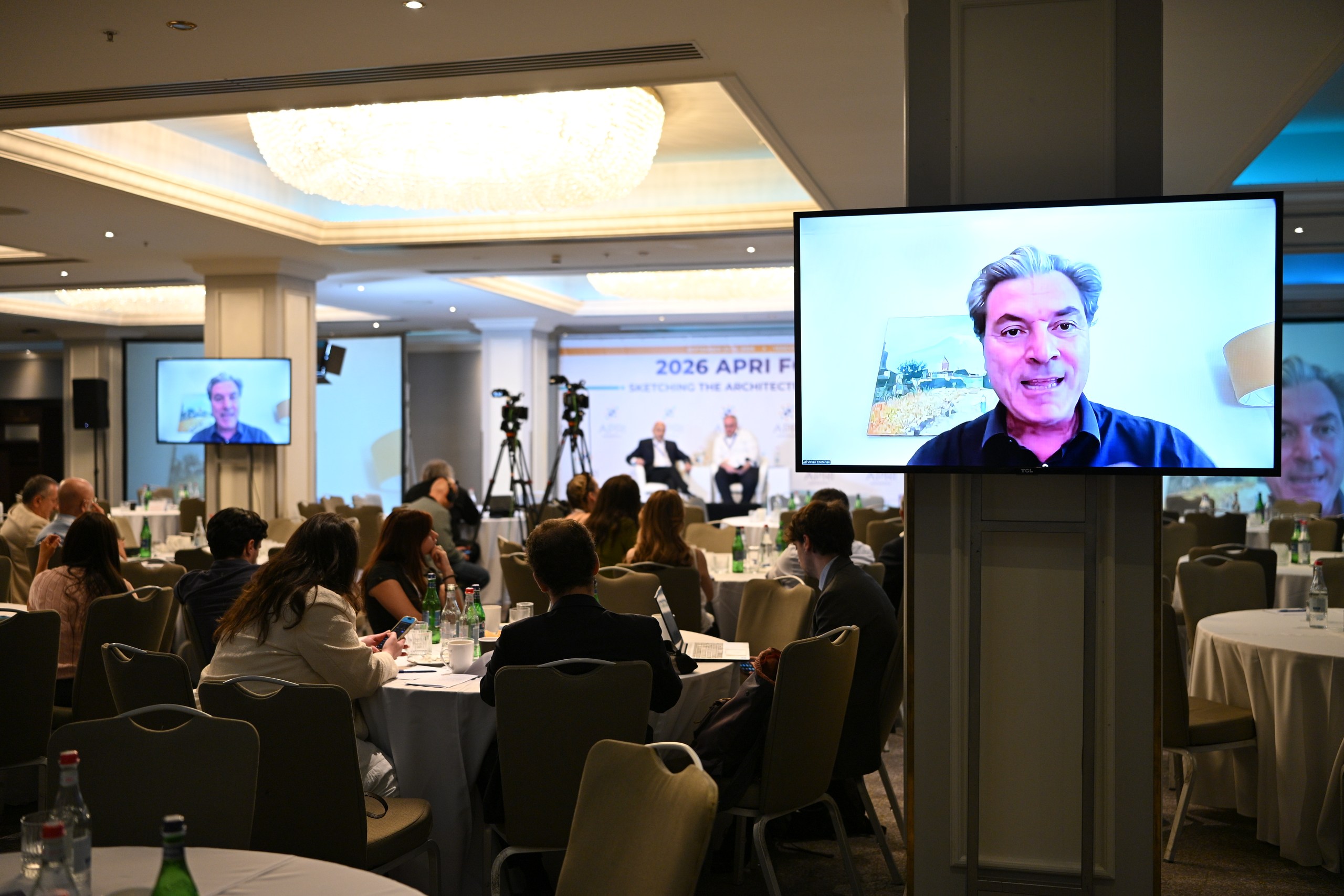
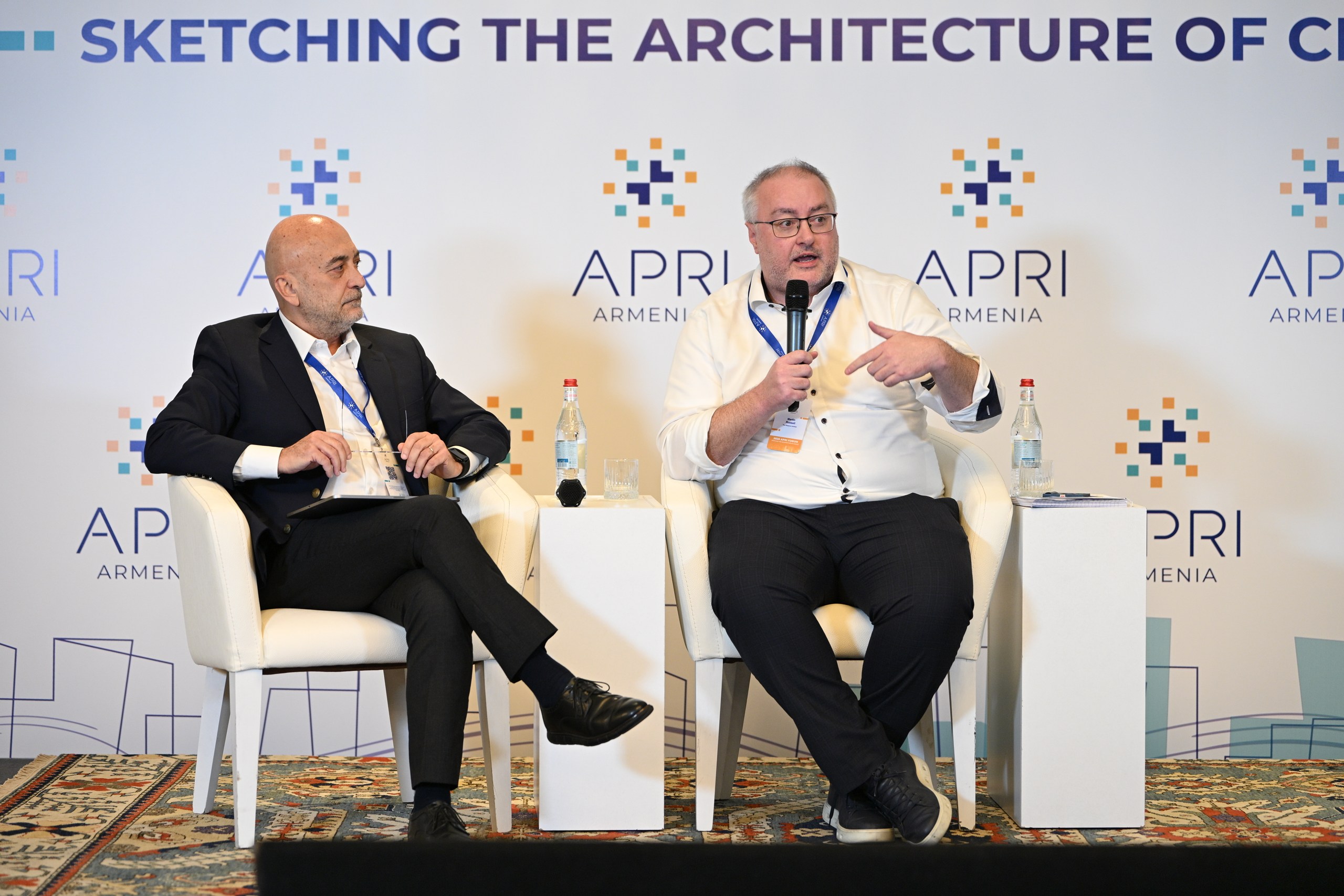
This fireside chat will host a conversation between representatives of Armenian diaspora foundations and the founder of the Diaspora Institute, a Dublin-based organization championing diaspora empowerment, to discuss diaspora–homeland connections. In the Armenian context, such debates often center on questions of identity and the nature of ties between the homeland and diaspora communities, with less attention paid to lessons from other diasporas and to the agency diaspora individuals can exercise in contributing to their home country. This panel will explore the role of diasporas as strategic assets for national empowerment and transformation, drawing on lessons from the Irish experience.
- Vicken Cheterian, Director, Diasporan Perspectives, Gulbenkian Initiative on Armenian Issues, Calouste Gulbenkian Foundation (Zoom)
- Martin Russell, Co-Founder The Diaspora Institute
- Moderator: Vasken Yacoubian, President, AGBU Armenia / Member, AGBU Central Board
9:30
Registration
10:00
Public Administration Reforms: Can Armenia Build its Own Good Governance Model? | Supported and co-financed by the Republic of Estonia from the funds of Estonian development cooperation and humanitarian aid
It is imperative for Armenia to translate its recently announced and ambitious public administration reform (PAR) agenda into reality with measurable results. Doing so requires more than policy commitments and a strategic management framework. It also means addressing fragmented inter-agency coordination, limited capacity for evidence-based policymaking, and weak institutional ownership. Drawing on relevant international experience and adapting lessons to Armenia’s institutional context, this panel will explore how to strengthen good governance, strategic management, civil service performance, and accountability in practice, and how stronger local ownership of the planned PAR strategy can help deliver lasting results.
- Gert Antsu, Director of the Ukraine, Moldova and South Caucasus Division, Estonian Ministry of Foreign Affairs
- Vache Gabrielyan, Dean, College of Business and Economics, AUA
- Nane Harutyunyan, Public Sector Specialist, World Bank
- Gevorg Sahakyan, Aide to Deputy Prime Minister, Government of the Republic of Armenia
- Moderator: Armenak Minasyants, Senior Research Fellow on Public Administration Reforms, APRI Armenia
10:30
Smarter Services, Stronger State | Supported and co-financed by the Republic of Estonia from the funds of Estonian development cooperation and humanitarian aid
Digital transformation can improve policy design, public service delivery, and citizen–state interaction. Yet digital tools create value only when they address clear governance needs, protect data, build public trust, and support institutions and civil servants. This panel will explore how responsible digital and artificial intelligence-enabled solutions can help build more citizen-centered, responsive, and resilient public services, while ensuring safe, ethical, accountable, and locally owned implementation through cooperation between public institutions and the private sector. It will consider what Armenia needs to do to make digital transformation work for citizens and the state.
- Andres Kütt, Chief Technology Officer, Proud Engineers
- Nayiri Shorjian, Governance and Policy Innovation Lead, UNDP Armenia SDG Innovation Lab
- Nerses Yeritsyan, Chairman, Information Systems Authority
- Moderator: Armenak Minasyants, Senior Research Fellow on Public Administration Reforms, APRI Armenia
11:15
Coffee Break
11:45
Beyond the Stereotype: Armenian Youth as Civic Stakeholders (Session in Armenian)
Conventional wisdom loads expectations on the young generation as agents of positive change. But this stereotype hides a complex reality for Armenian youth, with a mix of emerging civic leaders and evidence of political apathy. This panel, drawing on the advocacy and research work of its speakers, will explore how Armenia can move beyond symbolic inclusion and create spaces where young people are heard, trusted, and empowered to contribute to civic thinking.
- Arpy Manusyan, President and Researcher, Socioscope
- Yuri Movsesyan, Project manager, Restart Civic-Youth Foundation
- Narek Ohanyan, Climate & Environmental Researcher, AUA Acopian Center for the Environment (Zoom)
- Moderator: Greta Avetisyan, National Communications Lead, APRI Armenia
12:30
Rethinking Armenian Civil Society Organizations’ Watchdog Function (Session in Armenian)
Civil society organizations (CSOs) play an important watchdog role in advancing civic debate, encouraging public engagement, and holding public institutions accountable to reforms. In Armenia, this role has been important since independence and remains so as the government works to meet international commitments requiring transparency, monitoring, and effective implementation. Bringing together perspectives from education, the environment, justice and anti-corruption, this panel will explore the evolving role of CSOs in civic debates and relations with state institutions, and the ways in which CSOs can monitor reform implementation, identify gaps, engage constructively with institutions, and build public trust—especially as civic space faces growing pressure.
- Shamam Gevorgyan, Founding Director, 405 Educational Alliance
- Hasmik Harutyunyan, Legal Expert, Protection of Rights Without Borders
- Marina Mkhitaryan, Director for Strategic Partnerships and Impact, Armenia Tree Project
- Moderator: Anahide Pilibossian, Vice President, Strategy and Development, APRI Armenia
13:15
Closing Remarks: “Sketching the Architecture of Change”
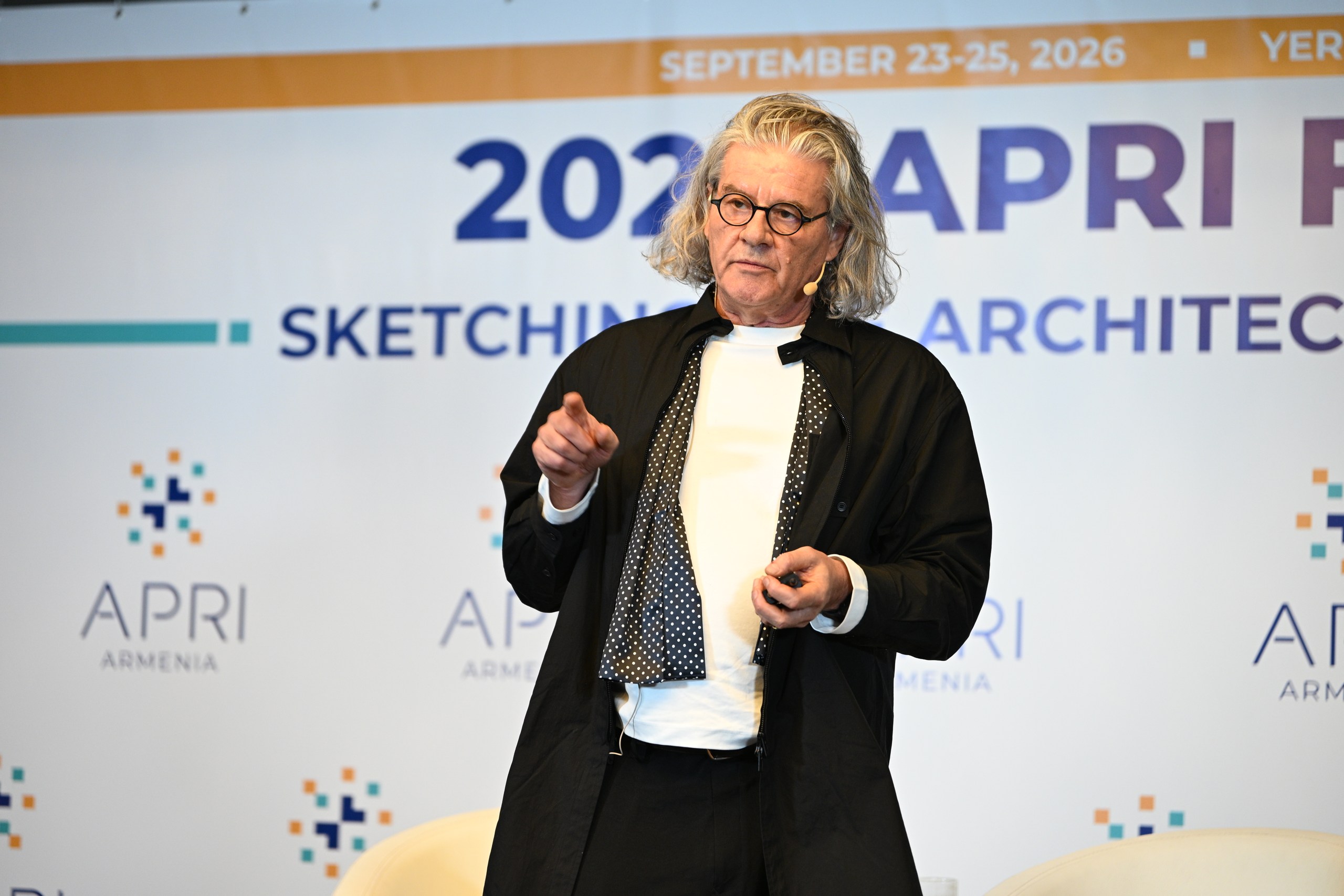
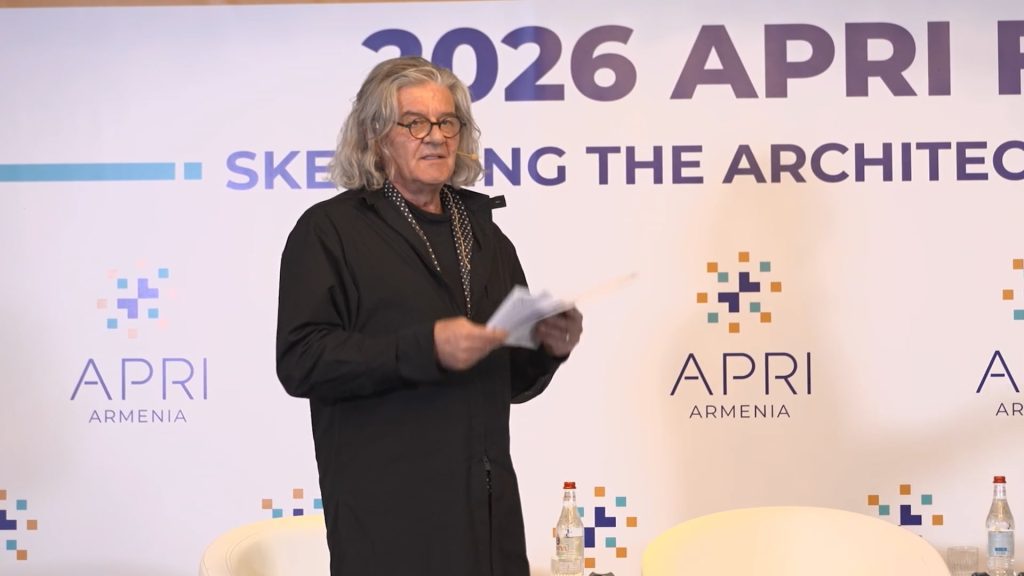
Closing the 2026 APRI Forum, world-renowned architect Michel Mossessian brings to life the conference’s title “Sketching the Architecture of Change,” building on his international architectural practice and insights gained throughout the Forum.
- Michel Mossessian, Founder and Creative Director, Mossessian Architecture Ltd.
13:30
Networking Lunch
Speakers
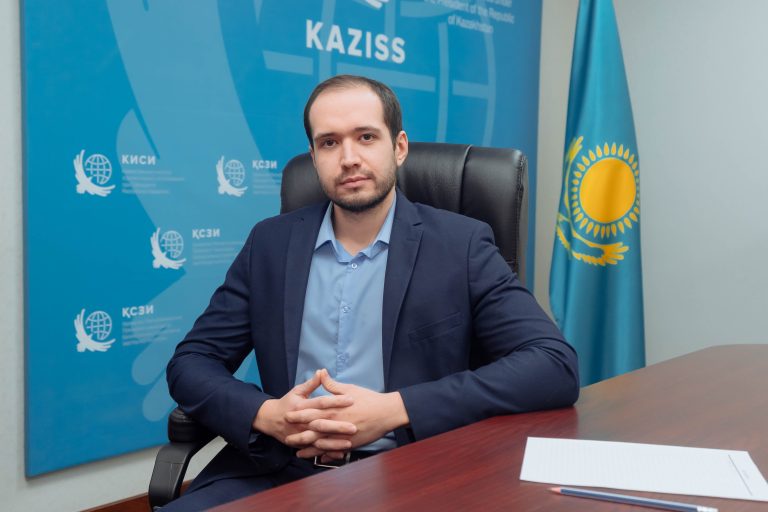
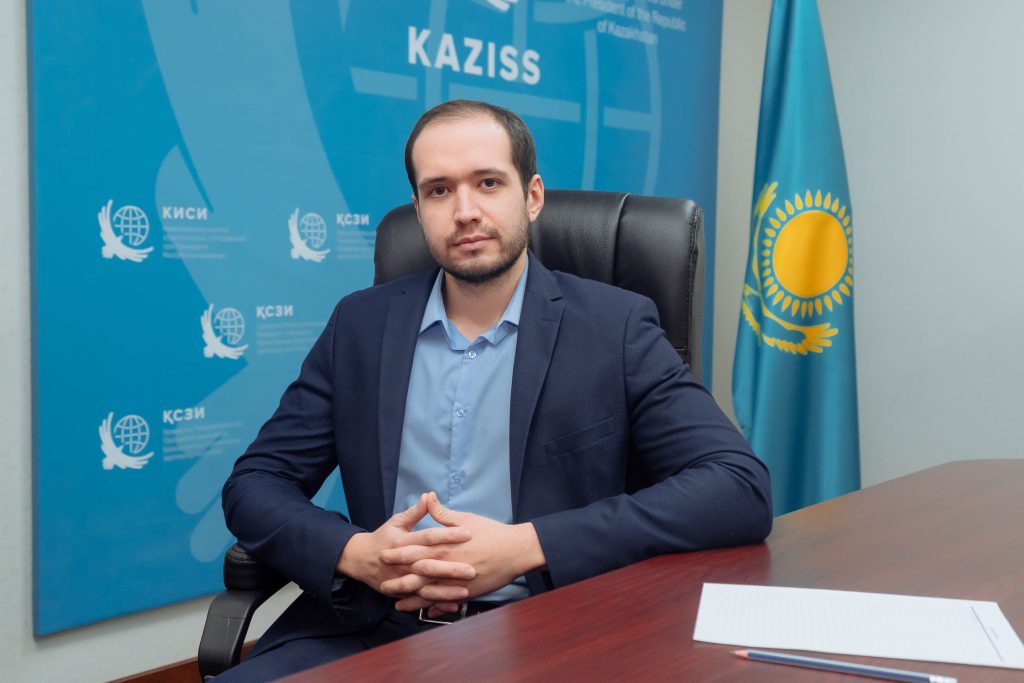
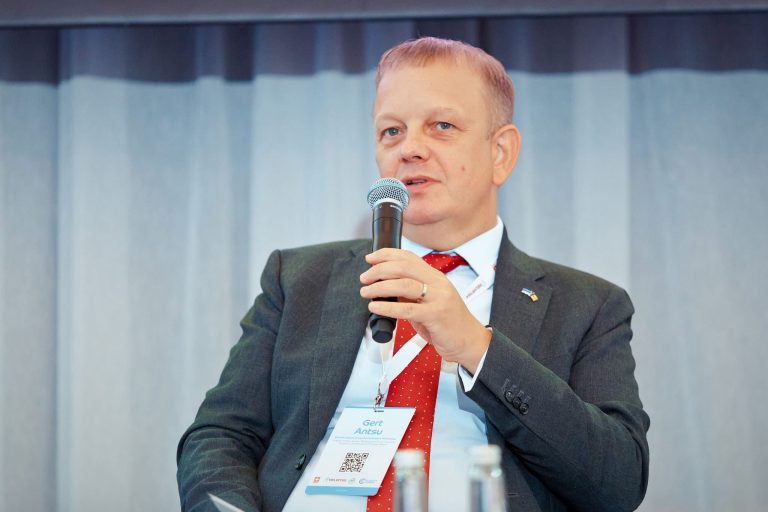
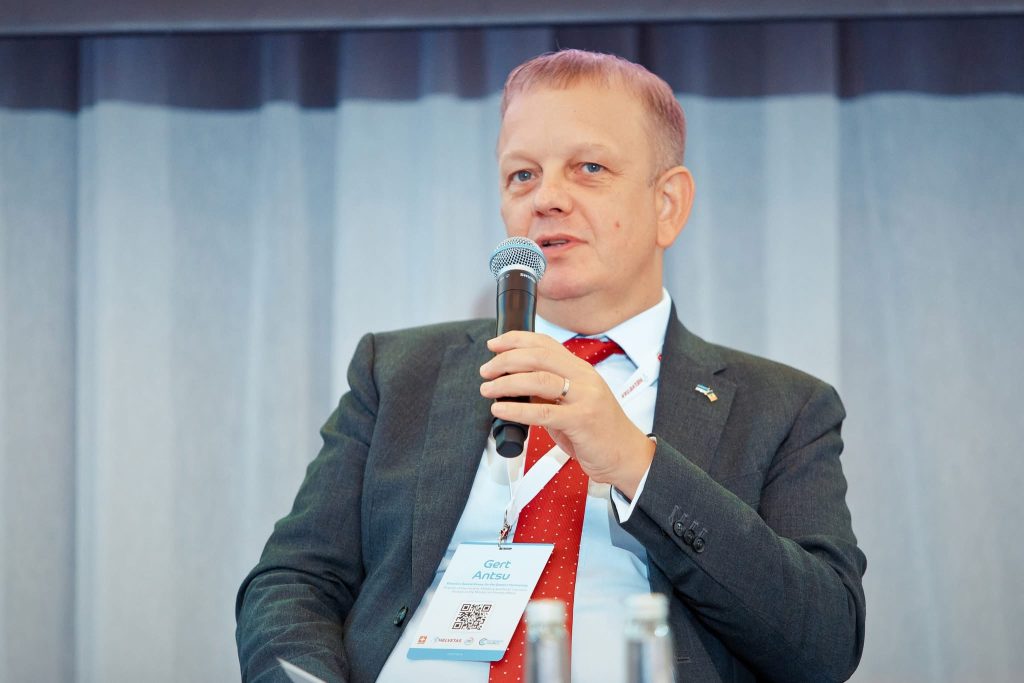














Photo Gallery

Session Recordings
Sponsors
Supporters