Yerevan, Armenia
- October 6, 2022
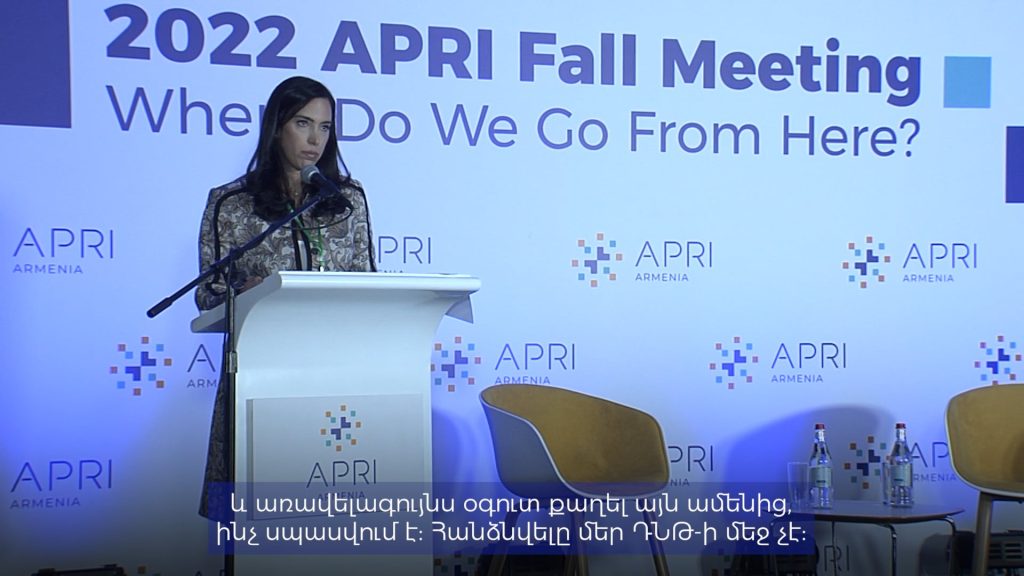
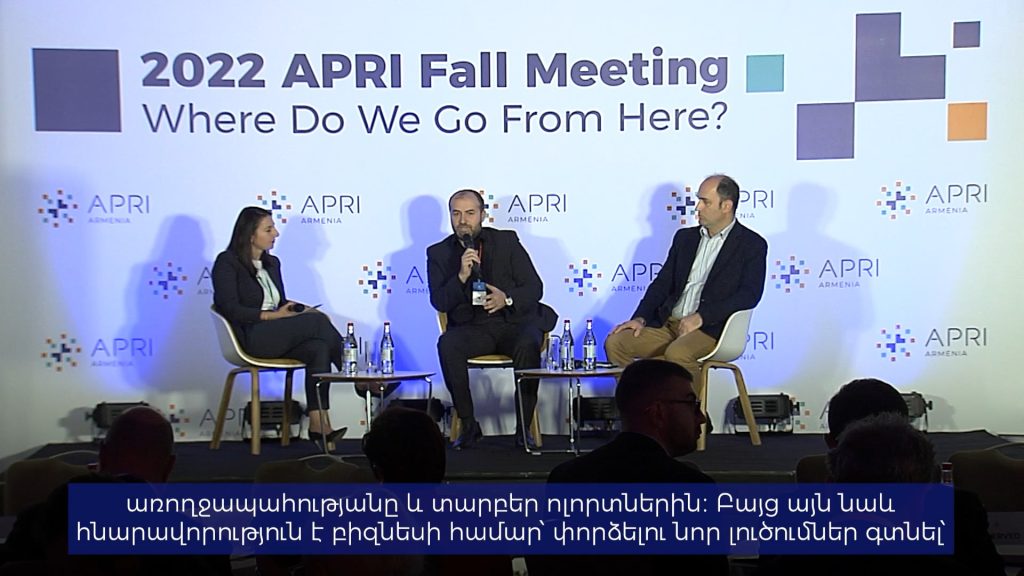
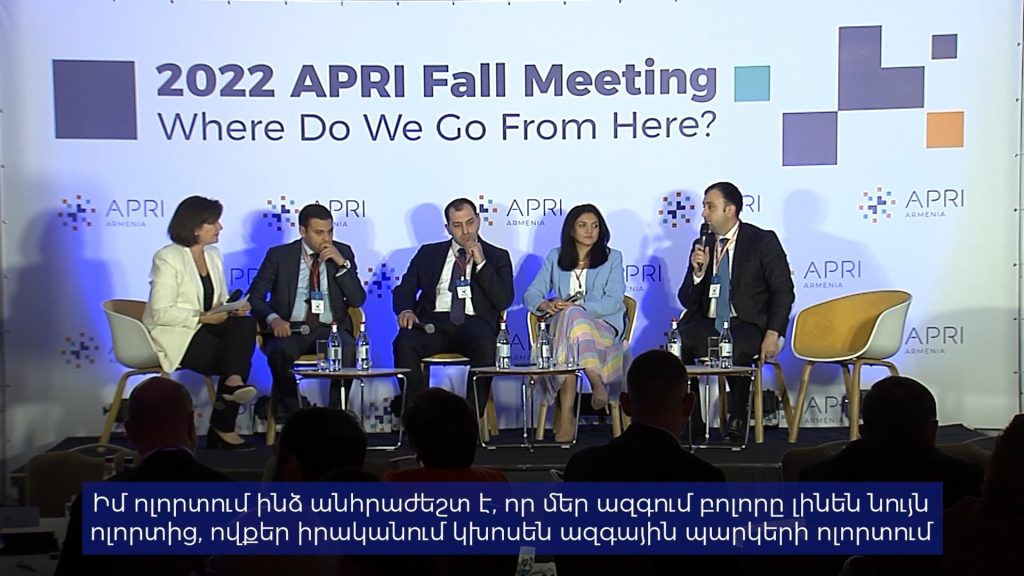
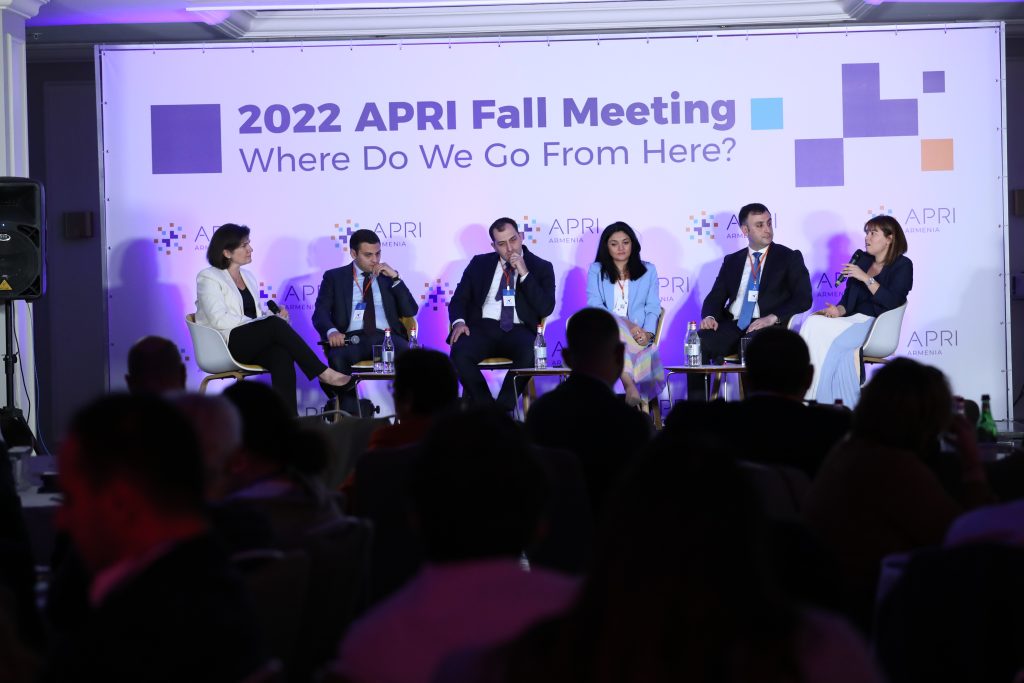
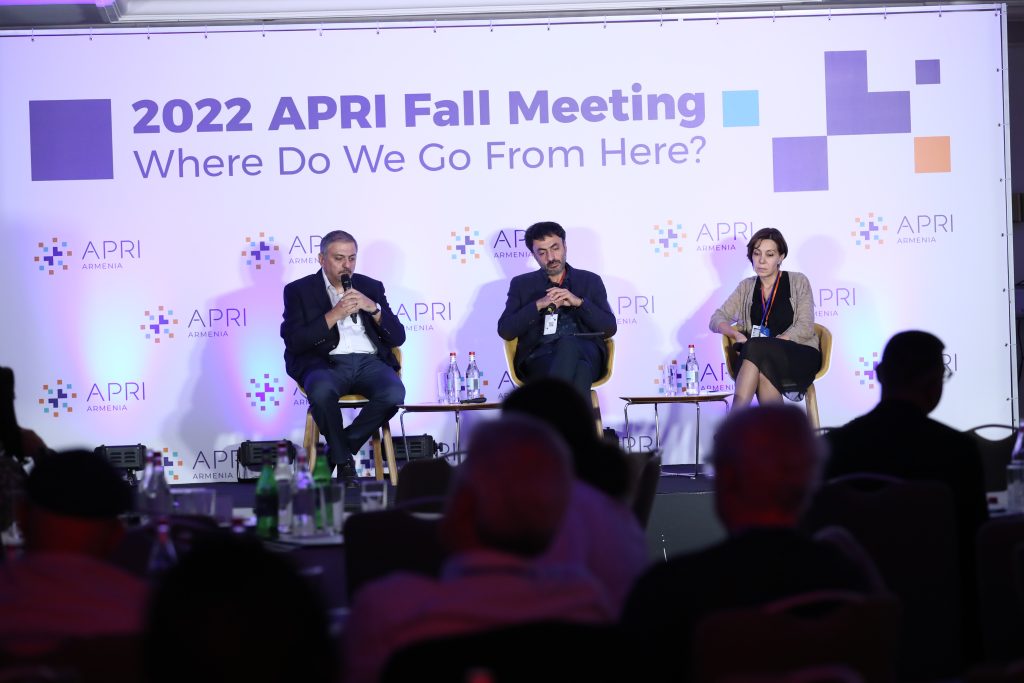
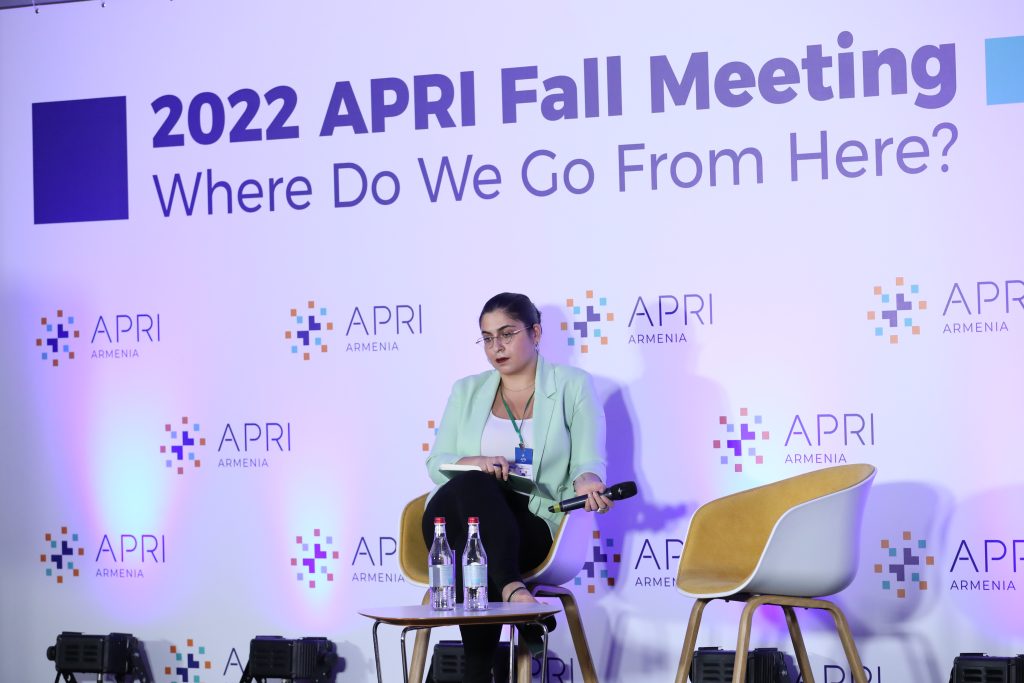
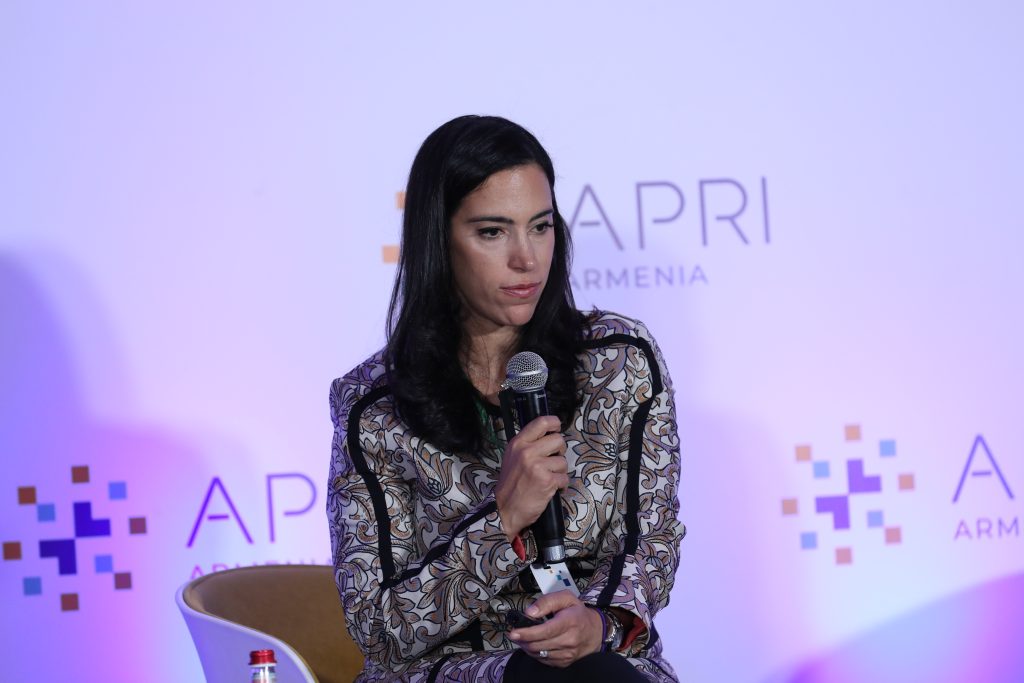
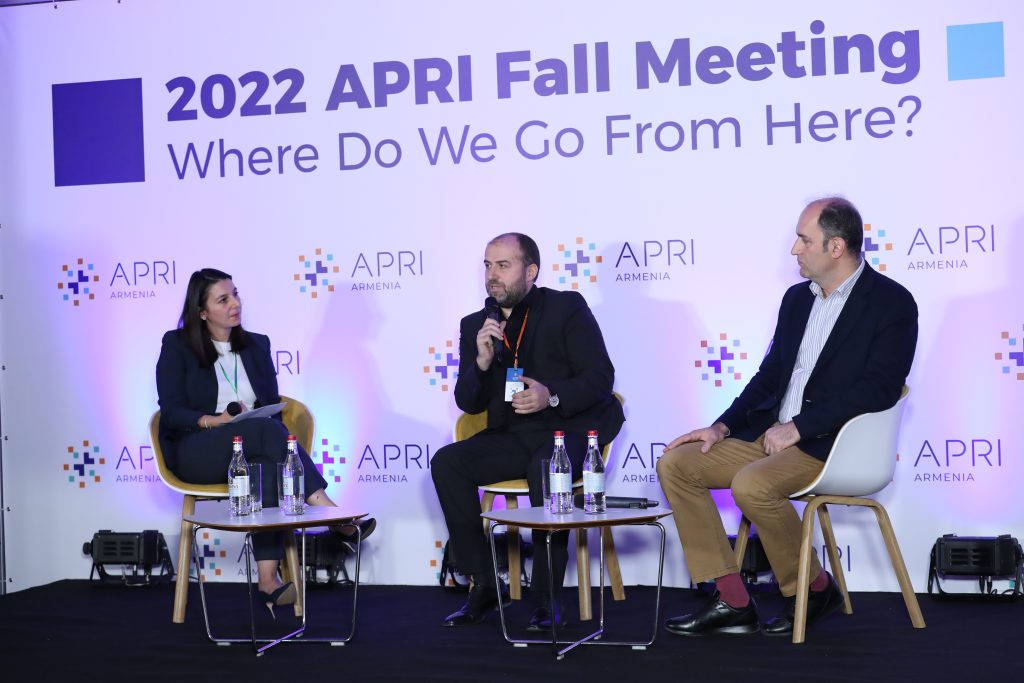
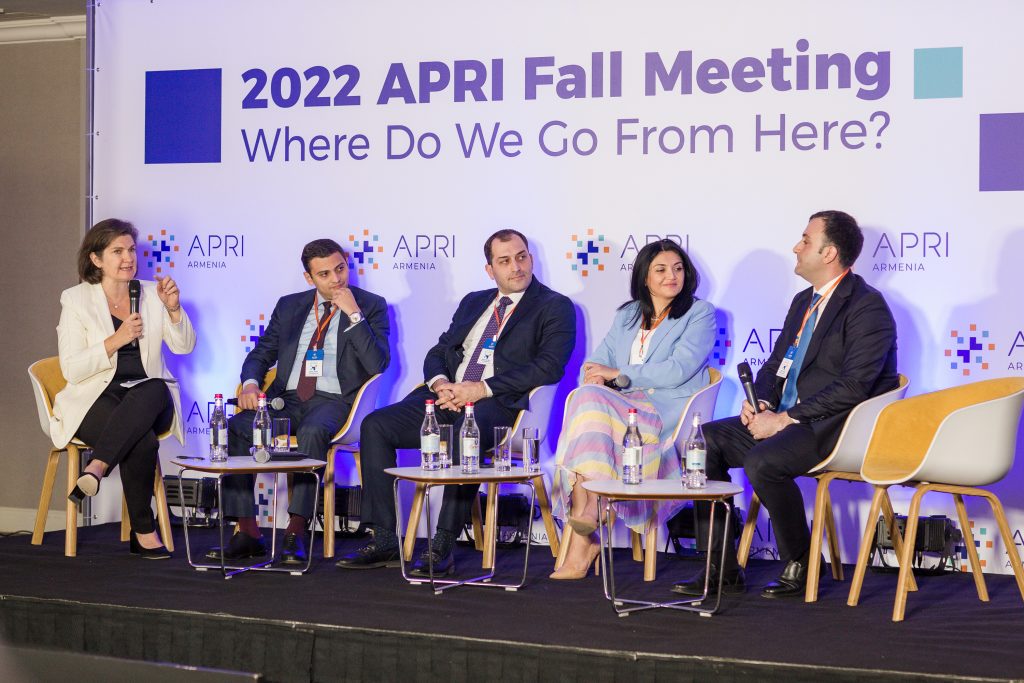
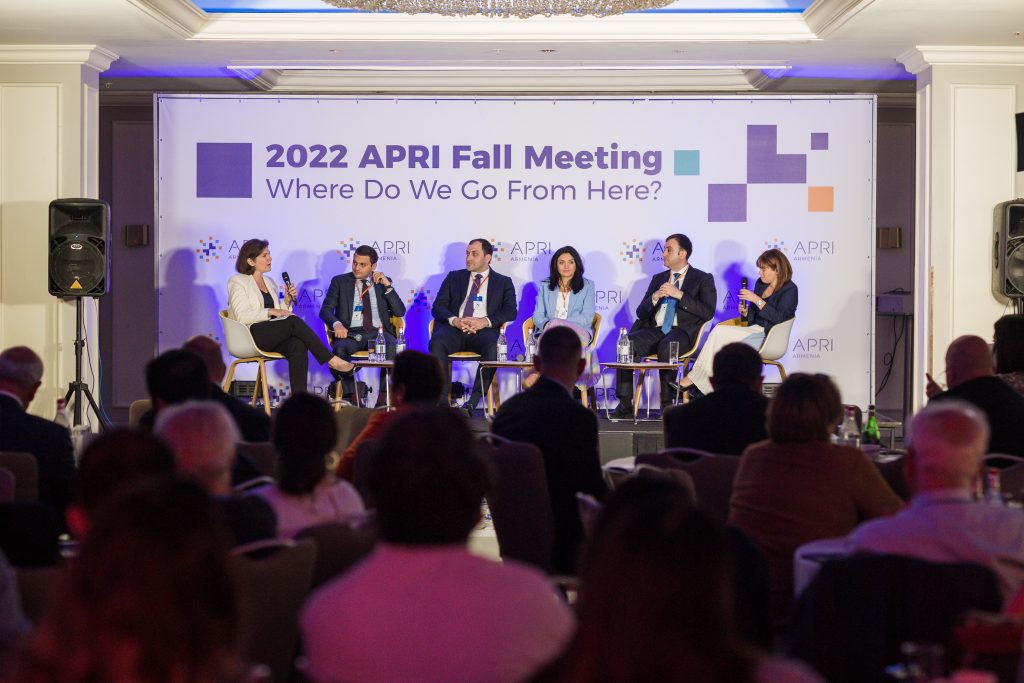
Organized by the Applied Policy Research Institute of Armenia (APRI Armenia), “2022 APRI Fall Meeting: Where Do We Go From Here?” brought together experts to discuss issues ranging from geopolitics and security to crisis leadership and national development.
Held as part of the Armenian General Benevolent Union (AGBU) General Assembly week in Yerevan, the conference explored issues including behavioral change, regional security, the future of Armenia-India relations and the need for a new social contract. Participants included visiting members from around the world, as well as representatives of the public and private sector, academia, and civil society in Armenia.
Forum Agenda
10:45
Coffee Break and Musical Transition
11:00
Opening Session
- Lara Setrakian, President, APRI Armenia
11:15
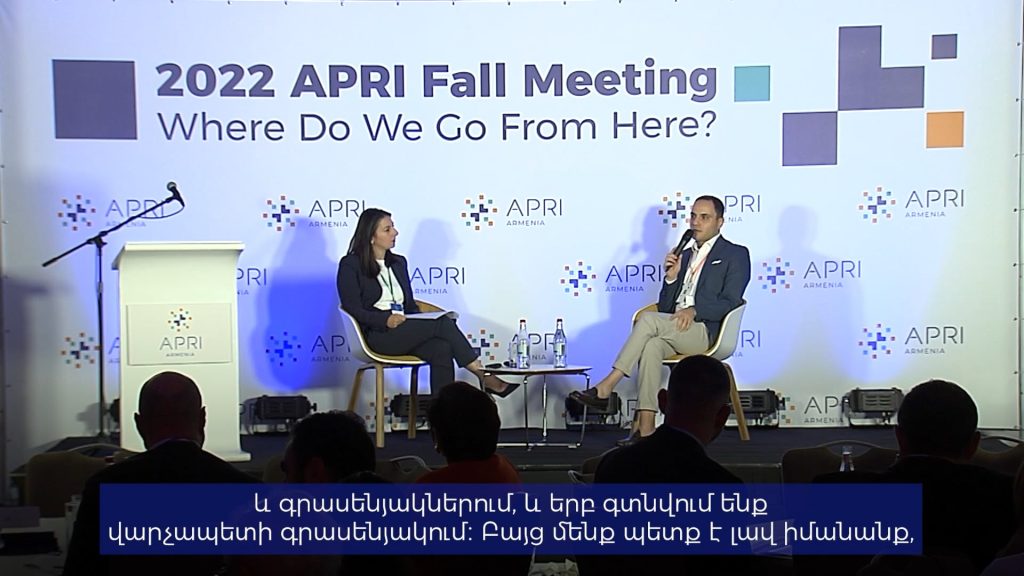
The New Mindset: Becoming Better People for a Better Nation
How do we set the right policies and shift our individual behaviors in ways that build a stronger society? A joint initiative of the Government of Armenia and the United Nations, the Armenia National Sustainable Development Goals (SDG) Innovation Lab works to mainstream the culture of innovation and experimentation in policymaking for sustainable development in Armenia. SDG Innovation Lab Lead, Tigran Tshorokhyan, will share policy-relevant insights on changing behaviors to achieve the scale and impact necessary for Armenia’s sustainable development.
- Tigran Tshorokhyan, Armenia National SDG Innovation Lab
- Moderator: Anahide Pilibossian, Vice President, Strategy and Development, APRI Armenia
11:45
People, Policy, and Problem-Solving in Challenging Times
Policymakers in Armenia need to overcome a multitude of thematic, institutional, and procedural challenges to move the needle forward in their specific areas of responsibility. Parallel to this, there is an immense human capital in members of the global Armenian diaspora eager to engage and transfer knowledge, especially in sectors important for the country’s development. This session will explore how decision-makers in Armenia can navigate the system and what specific role the diaspora can play in helping create efficiencies to unlock the full development potential of Armenia.
- Janna Andreasyan, Ministry of Education, Science, Culture and Sports, Republic of Armenia
- Rafayel Gevorgyan, Ministry of Economy, Republic of Armenia
- Gevorg Mantashyan, Ministry of High Tech Industry, Republic of Armenia
- Aram Meymaryan, Ministry of Environment, Republic of Armenia
- Lena Nanushyan, Ministry of Health, Republic of Armenia
- Tatevik Stepanyan, Ministry of Labor and Social Affairs, Republic of Armenia
- Moderator: Arda Haratunian, APRI Armenia
12:45
Powering the Solar Energy Revolution
An Armenian solar energy revolution is in the making. Using the abundant sunlight that Armenian lands can offer, leaders in both the public and private sectors are developing initiatives to advance green energy and support household savings through solar energy adoption. This panel will explore the current environment for solar energy, innovative approaches to accelerating solar energy use and future prospects for developing green infrastructure in the country.
- Erik Grigoryan, Environment Group
- Hayk Shekyan, Shtigen
- Moderator: Anahide Pilibossian, Vice President, Strategy and Development, APRI Armenia
13:15
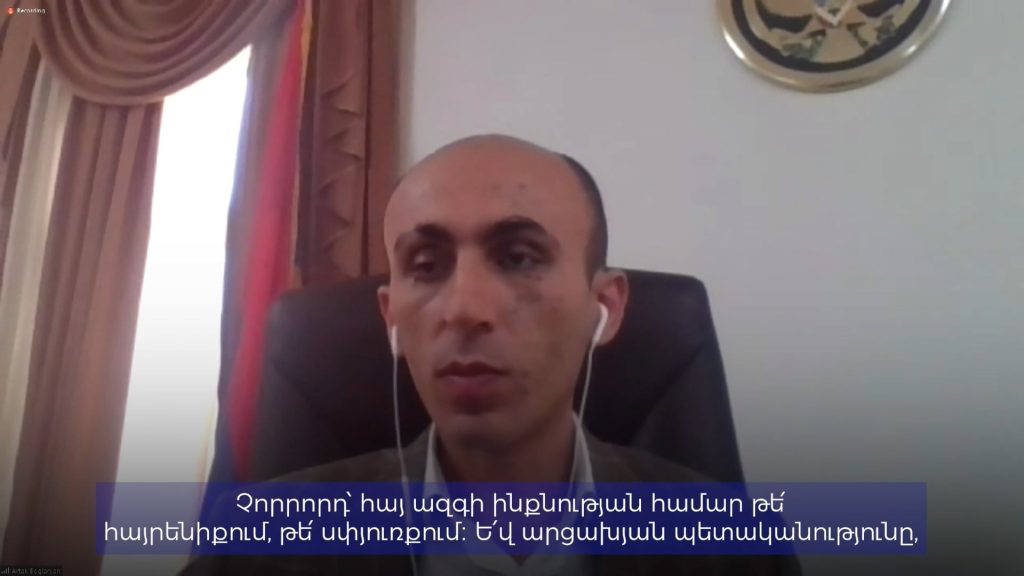
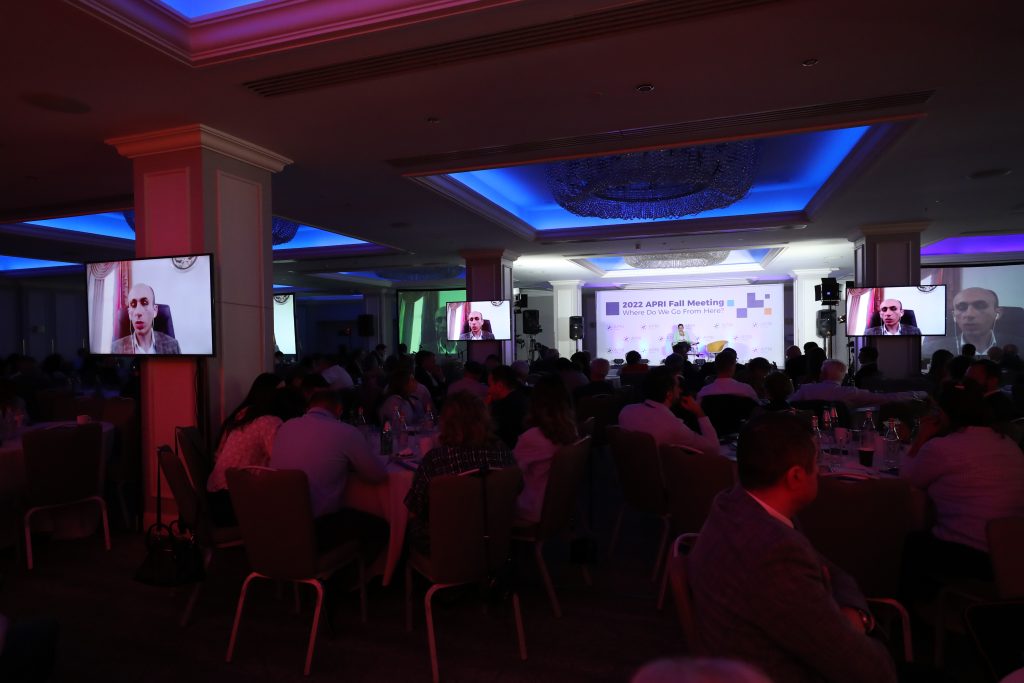
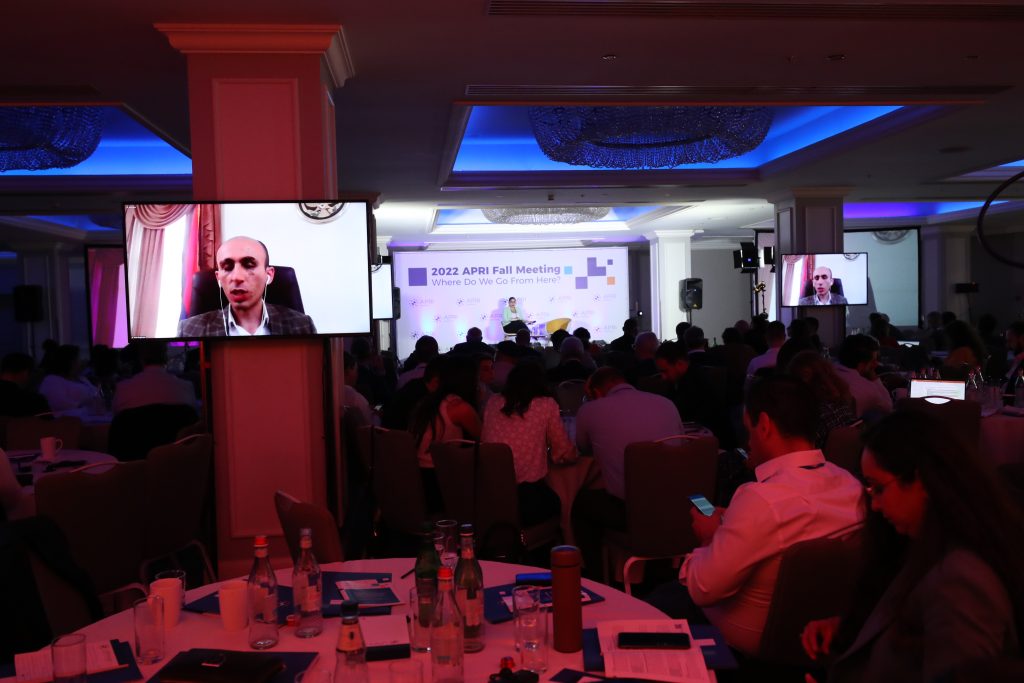
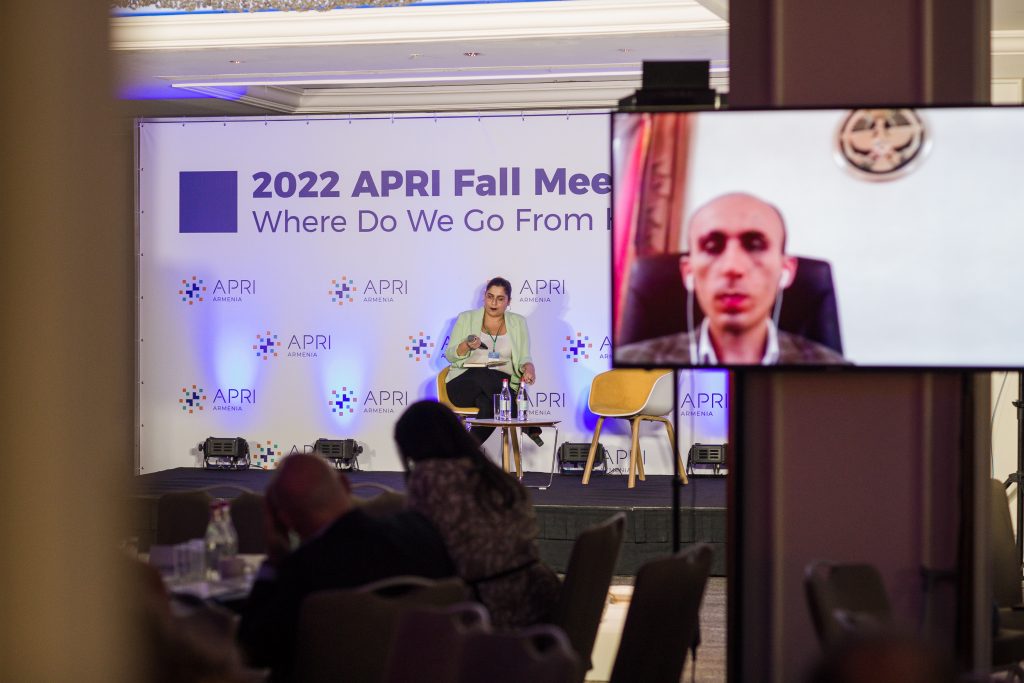
Keynote Address: Artsakh/Karabakh, Approaching the Future
The status quo in Artsakh has been shaken to its core in the aftermath of the 44-day war of 2020. While the official Yerevan and Minsk Group Co-chair countries declare that the Nagorno-Karabakh conflict still exists and the final status of the region is yet to be decided, many questions remain over the process and timeline. State Minister of the Artsakh Republic, Artak Beglaryan, will deliver keynote remarks outlining his vision for overcoming these challenges.
- Artak Beglaryan, State Minister of Artsakh Republics
- Moderator: Nana Shakhnazaryan, APRI Armenia
13:45
Lunch and Musical Transition
14:30
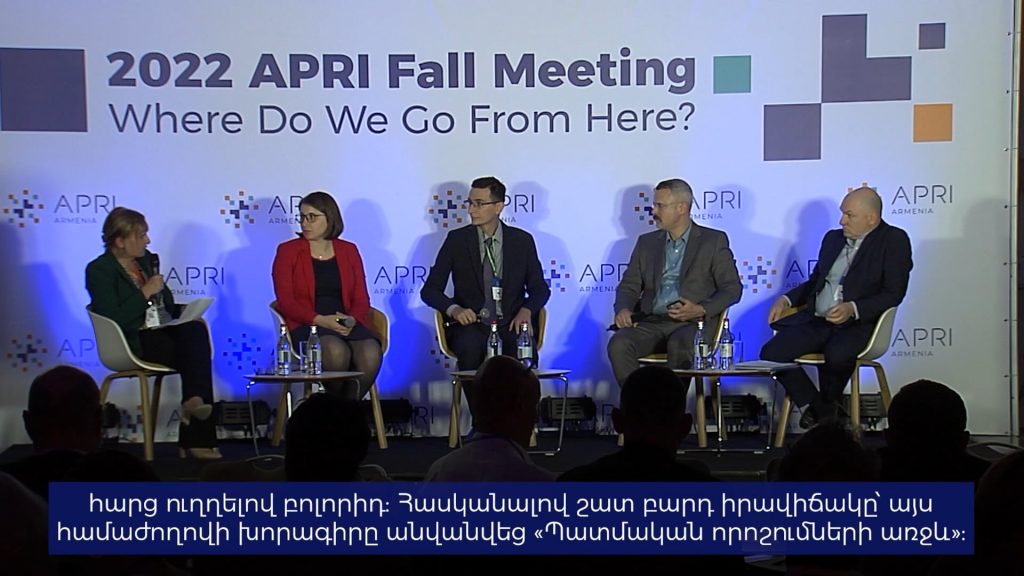
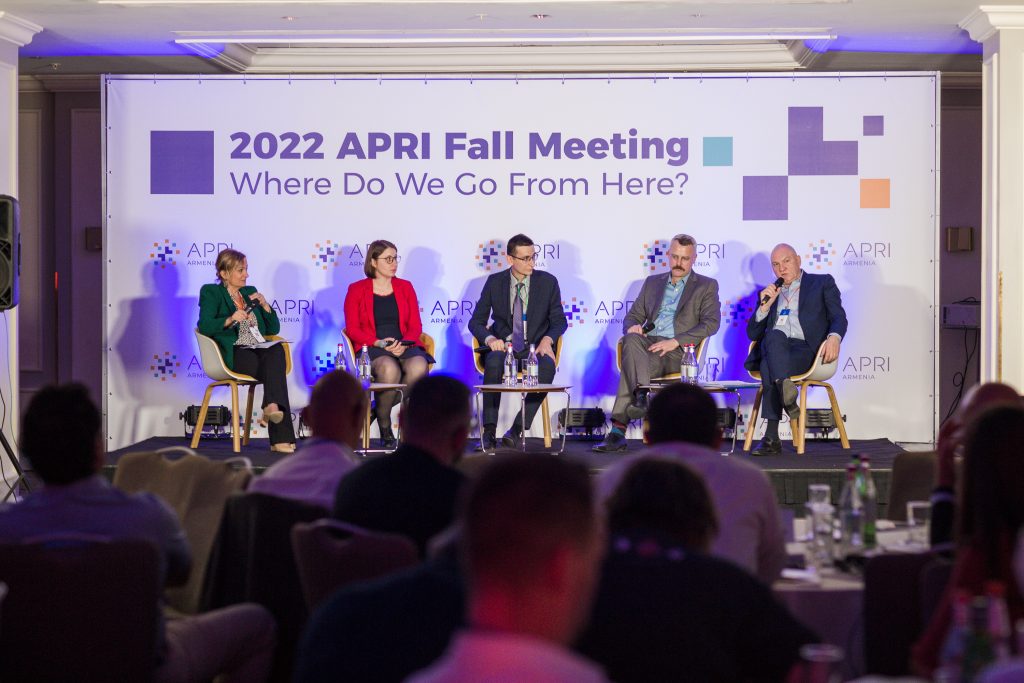
Regional Security: Where Do We Go from Here?
The volatile and rapidly changing security environment in the South Caucasus is a major cause for concern. How does a small state such as Armenia weather this storm? This discussion will focus on the longer-term risks of unresolved conflicts and explore the multiple methods of conflict management and pathways to stabilization.
- Laurence Broers, Conciliation Resources; Chatham House
- Nerses Kopalyan, University of Nevada, Las Vegas
- Ruslan Pukhov, Centre for Analysis of Strategies and Technologies (CAST)
- Olesya Vartanyan, International Crisis Group
- Moderator: Maria Titizian, EVN Report
15:30
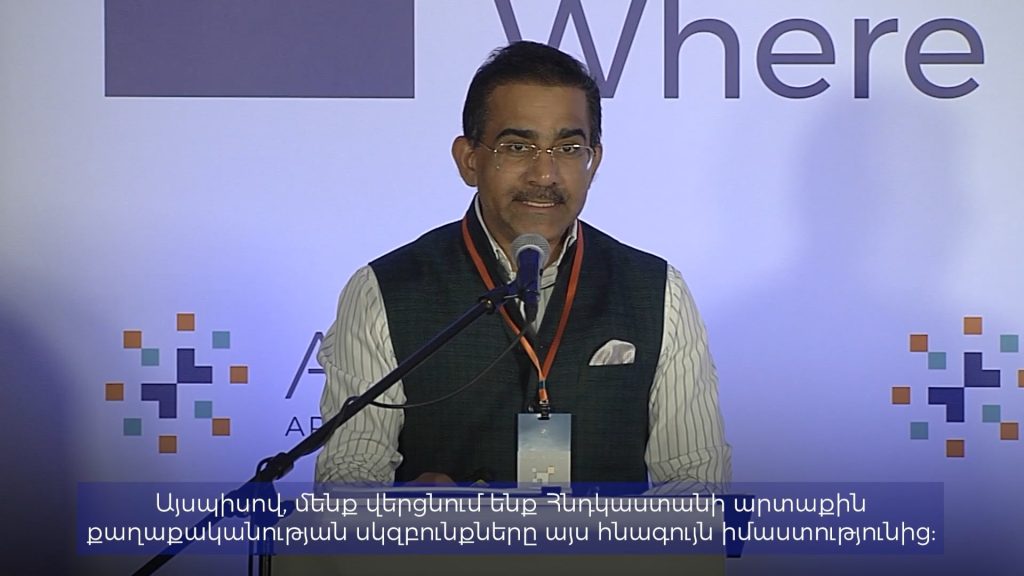
(Re)thinking Foreign Policy: India-Armenia Relations
Marking the 31st anniversary of Armenian independence, Dr. S. Jaishankar, External Affairs Minister of India, declared that India’s and Armenia’s “historical connections and contemporary convergences define our ties.” In a special address, India’s Ambassador to Yerevan, K. D. Dewal, will elaborate on the strategic relationship between the two countries, and consider how to fulfill the potential for greater cooperation.
- H.E. Ambassador K.D. Dewal, Ambassador of India to Armenia
- Moderator: Eric Hacopian, CivilNet
16:15
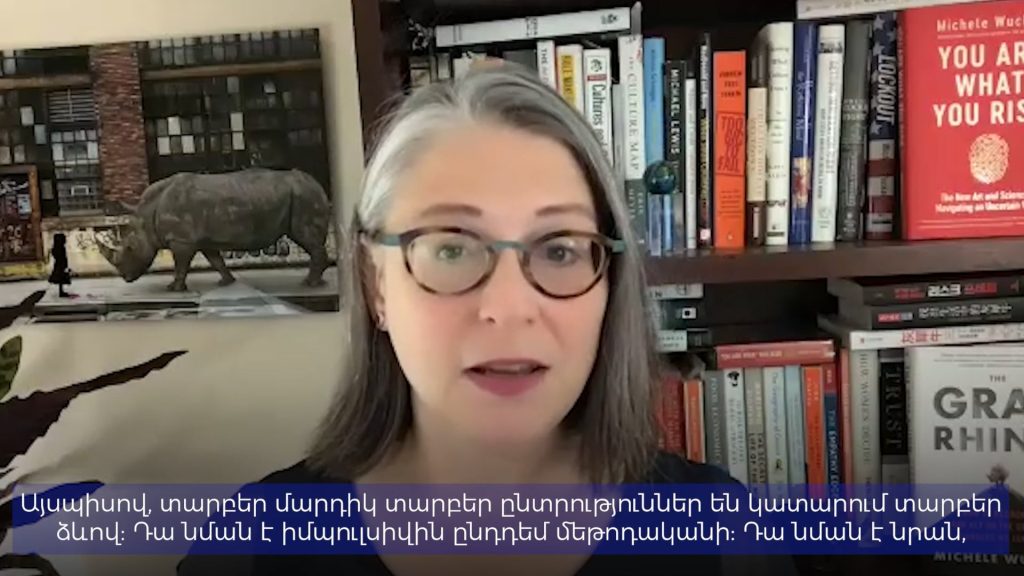
The Gray Rhino: Managing Risks
A “gray rhino” is a highly probable, high-impact, yet all too often neglected threat. Despite a series of warnings and visible evidence of such risks, leaders and decision-makers too often fail to address these dangers before they spiral out of control. Michele Wucker, who invented the term in her internationally acclaimed book “The Gray Rhino,” will draw on her extensive background in policy formation and crisis management, as well as in-depth interviews with leaders from around the world, to shed light on ways to recognize and strategically counter high-impact threats.
- Michele Wucker, The Gray Rhino Company
- Moderator: Lara Setrakian, President, APRI Armenia
16:45
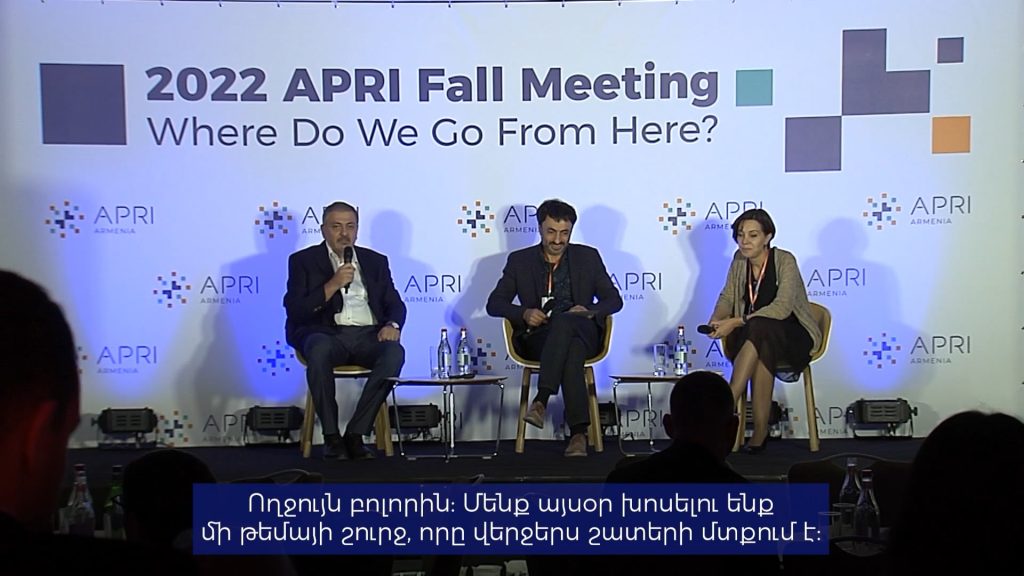
The New Social Contract: Finding Our Way Forward
A social contract defines the parameters that keep society functioning well, establishing the roles and responsibilities of both the state and its citizens. Reflecting on what we have heard and learned throughout the day, and acknowledging the need for a new mindset to envision our future, this panel will address how we set the course for a renewed, reinvigorated social contract. What could be the new social contract for Armenia and its diaspora and how do we go about making it a reality?
- Vicken Cheterian, Webster University, Geneva
- Marina Mkhitaryan, AGBU Armenia
- Aram Pakhchanian, Ayb Foundation
- Moderator: Vache Gabrielyan, American University of Armenia
17:30
Closing Words
Artists in Residence
Artists in Residence
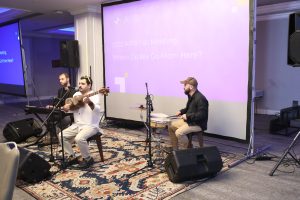
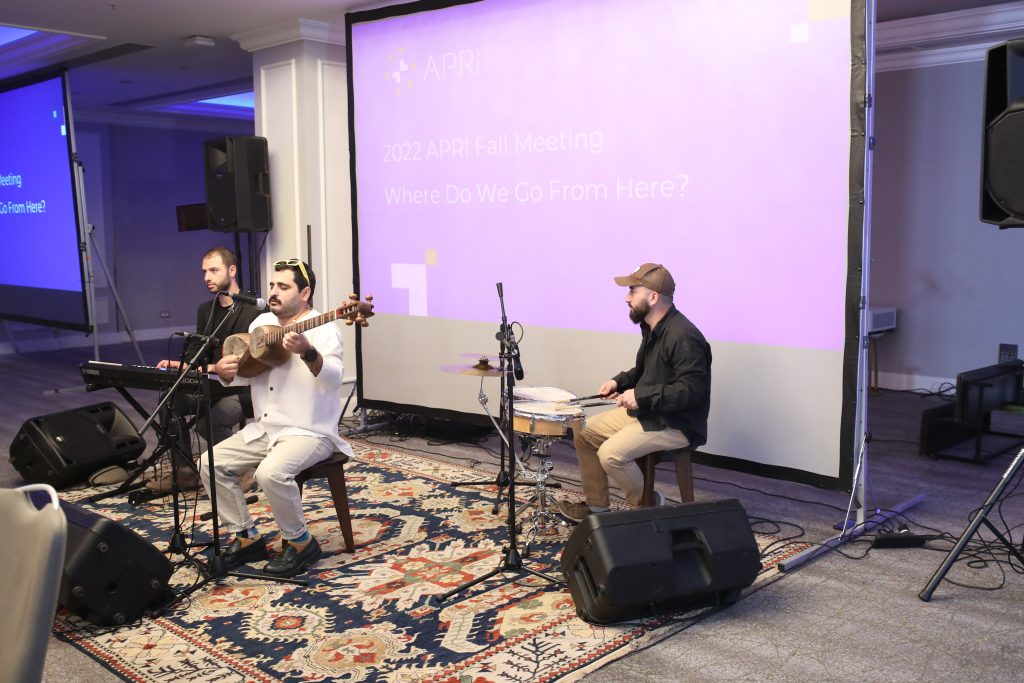
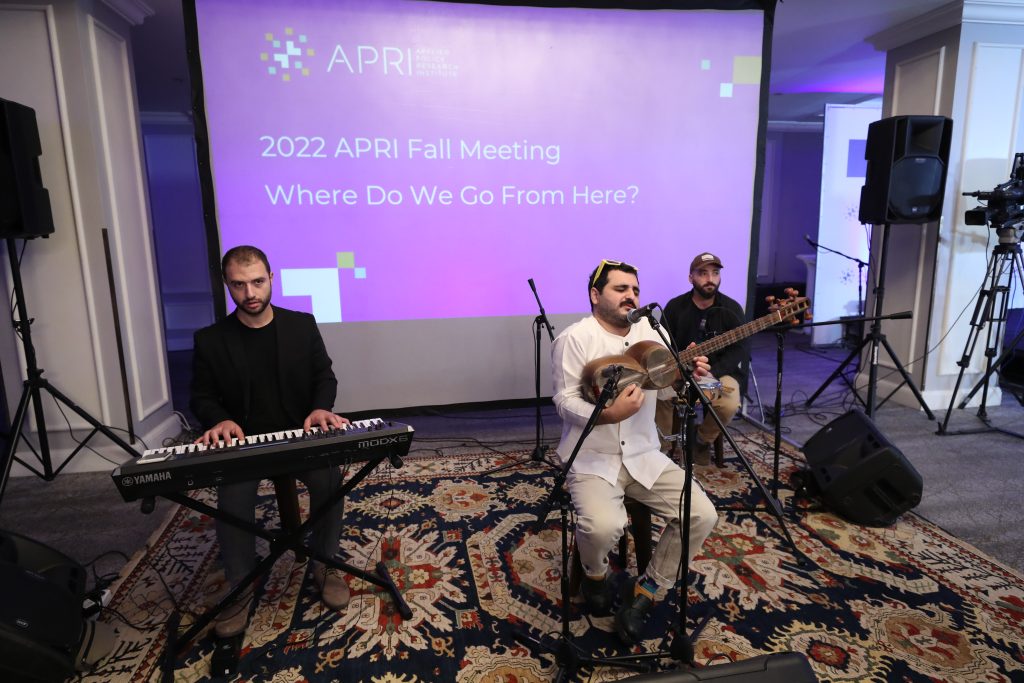
Tarup is an Armenian revival trio re-imagining folk music to shed light on new post-traditional sounds, combining the mesmerizing melodies of the tar with a bold association of jazz, electronic keyboards, and percussion. Tarup’s music is full of crafted harmonies, modern improvisations, and distinctive acoustic sounds, sometimes with an electronic touch.
The trio was formed in 2011 by Miqayel Voskanyan, a tar player, composer, and singer, who has managed to create modern, innovative music using an ancient instrument historically limited to traditional folk music.
Photo Gallery
Session Recordings