The Second Nagorno-Karabakh War in 2020 and ensuing geopolitical developments revealed the paradoxes behind Türkiye’s motivations in the South Caucasus. This report examines the main directions of Türkiye’s foreign policy in the region, building on insights from desktop research, 18 interviews, and other convening opportunities.
Key findings
- The importance of the South Caucasus for Türkiye is underestimated. The region has strong significance for Ankara from both a geopolitical and geoeconomic perspective.
- Türkiye’s policy in the South Caucasus is,and will likely remain, based onits strategic alliance with Azerbaijan and can be articulated as an “Azerbaijan first” policy.
- Azerbaijan–Türkiye ties consist of heavy interdependencies in many fields, from political to social and economic, rather than a “big brother/small brother” dynamic. If land access from Azerbaijan to Nakhijevan—and then directly to Türkiye—via Armenia’s Syunik region is established, Türkiye may lose any incentive to continue normalization and open borders with Armenia.
- Türkiye sees Russia as “an unavoidable evil” that will remain a constant factor in South Caucasus geopolitics, and Ankara aims to manage its relationship with Moscow, establish a Russia–Türkiye condominium, and substantially limit the presence and influence of the US, the EU, and NATO in the region.
Policy recommendations
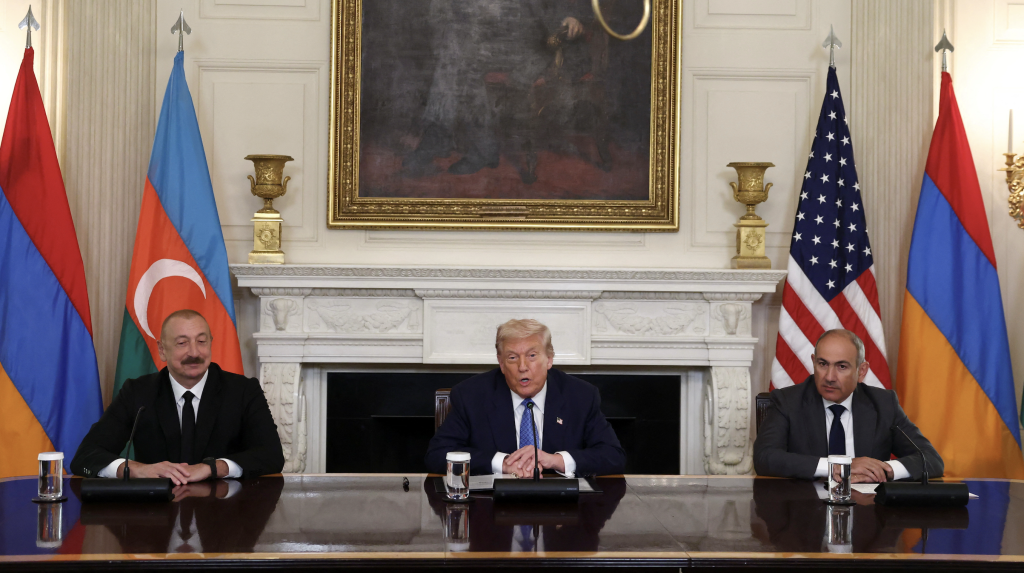
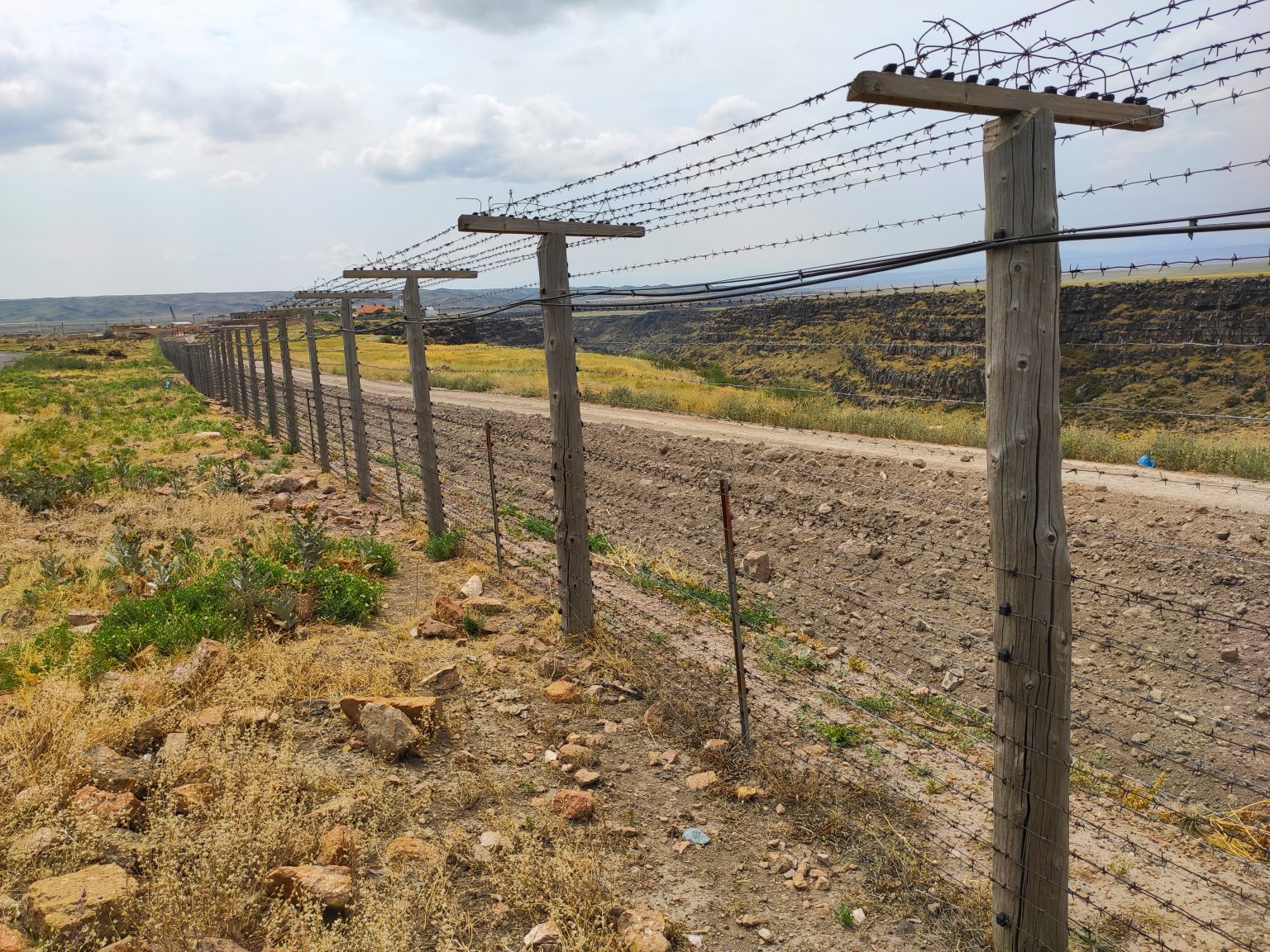
- Armenia should insist that the opening of the Armenia–Türkiye border is an integral part of the restoration of communications as envisaged by the August 2025 Washington Declaration and should take place simultaneously with the launch of TRIPP.
- Armenia should share the message that the window of opportunity for normalizing relations with Armenia will not be open forever, given potential changes in the regional balance of power in the Post-Ukraine War era, and Türkiye’s current policy of procrastination may complicate efforts to bring lasting stability to the region.
- Armenia should share its concerns with US counterparts that lack of progress in the Armenia–Türkiye normalization process may create obstacles for the full realization of the August 2025 Washington Declaration.
- The Armenian government should communicate more efficiently with Armenian citizens and the Armenian diaspora about the motivation, benefits, and potential risks of the border opening and its strategy to mitigate the negative implications and ensure that its normalization efforts are better accepted by the Armenian population.
Cite this report: Poghosyan, Benyamin. "Türkiye’s Policy in the South Caucasus: Navigating Normalization Efforts Amid Ankara’s “Azerbaijan First” Policy." October 2025. Applied Policy Research Institute of Armenia (APRI Armenia). DOI: https://doi.org/10.71308/GFSX8454